X

Welcome to the Tender Stores. Orders are charged in US$ and are dispatched from Pennsylvania USA.
Please contact us with any questions.
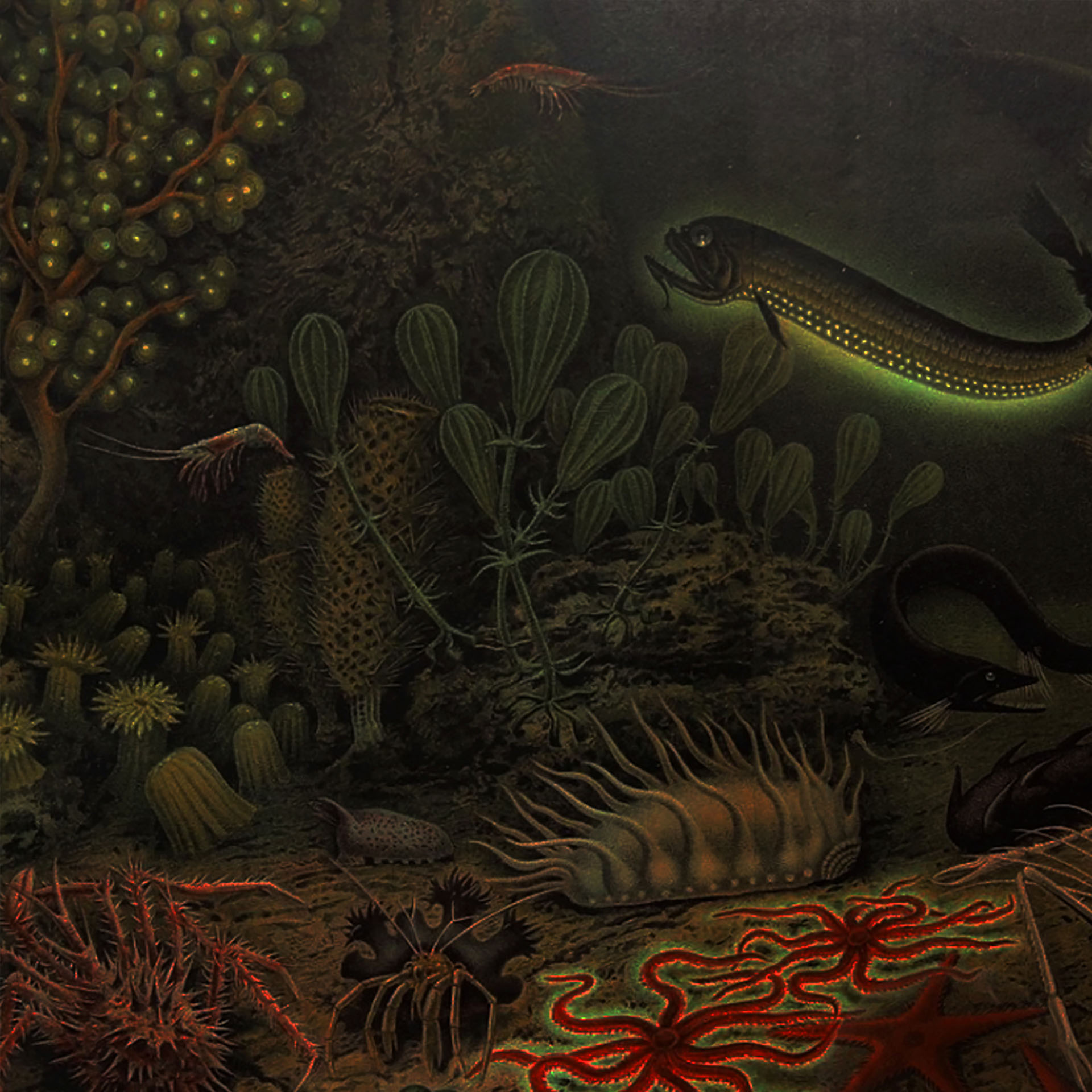
The Hadal Zone, named for the Greek underworld, Hades, is the deepest oceanic zone, below the Sunlight Zone, the Twilight Zone, the Midnight Zone and the Abyss. Hadal blue and hadal green are the deepest colours achievable through reactive dyeing, darker than any natural dye. As with natural dyeing, though, the whole garment is dyed after sewing, showing subtle variations in tone and depth between different fabrics and garment constructions.
Based on the 132 jeans pattern, 122 jeans do not have back pockets or a back yoke- the seat is shaped by two 'English' pleats, facing towards the middle.
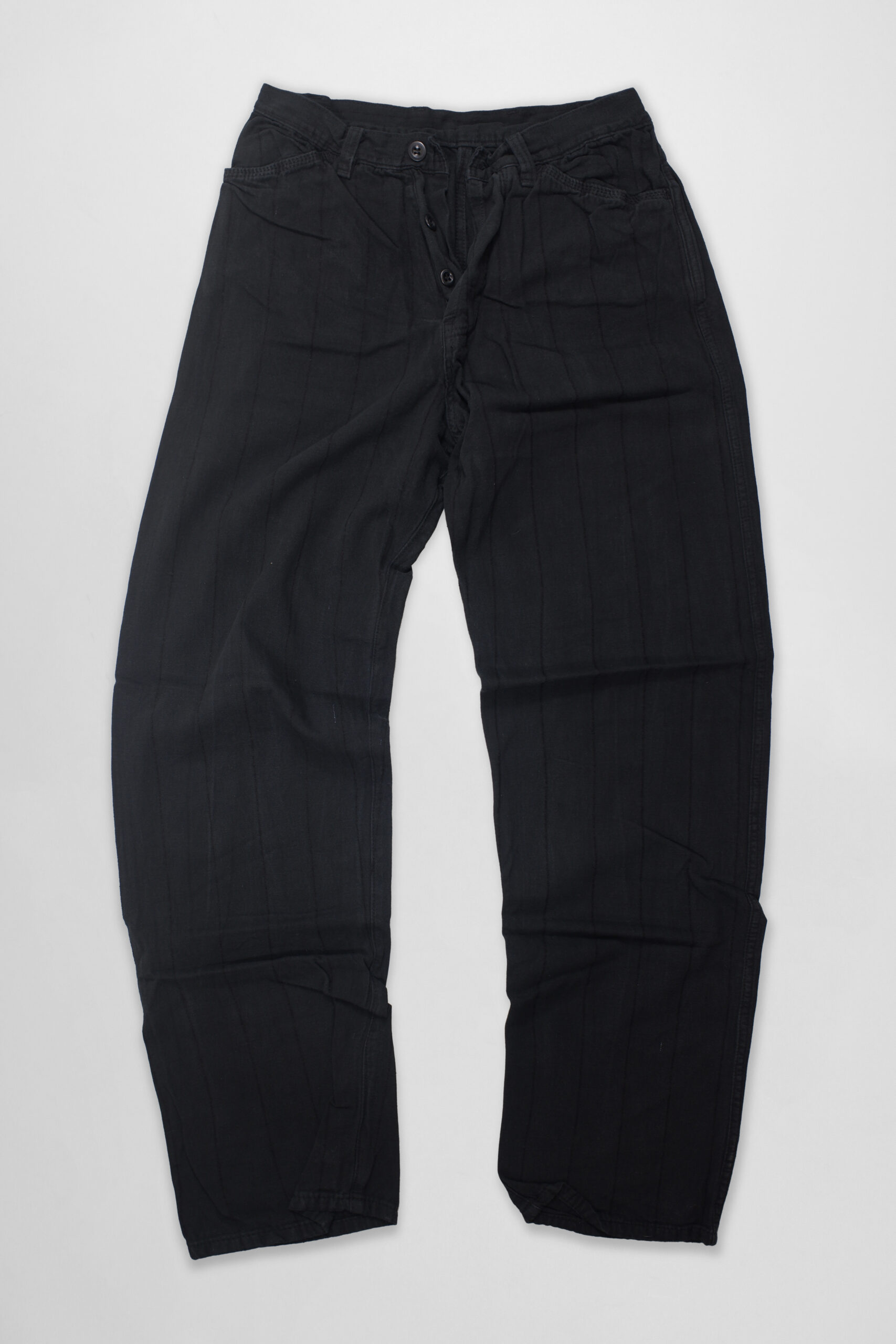
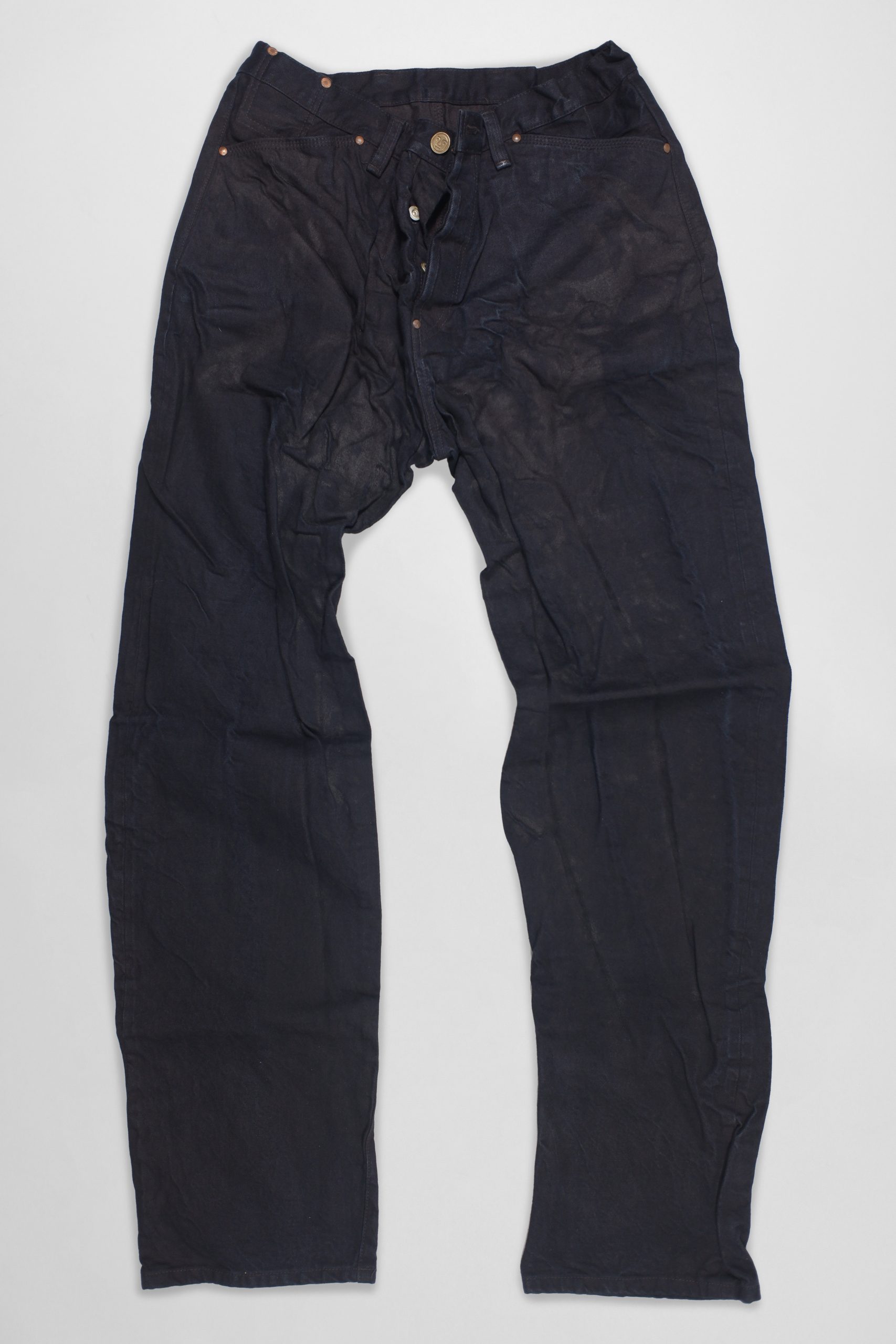
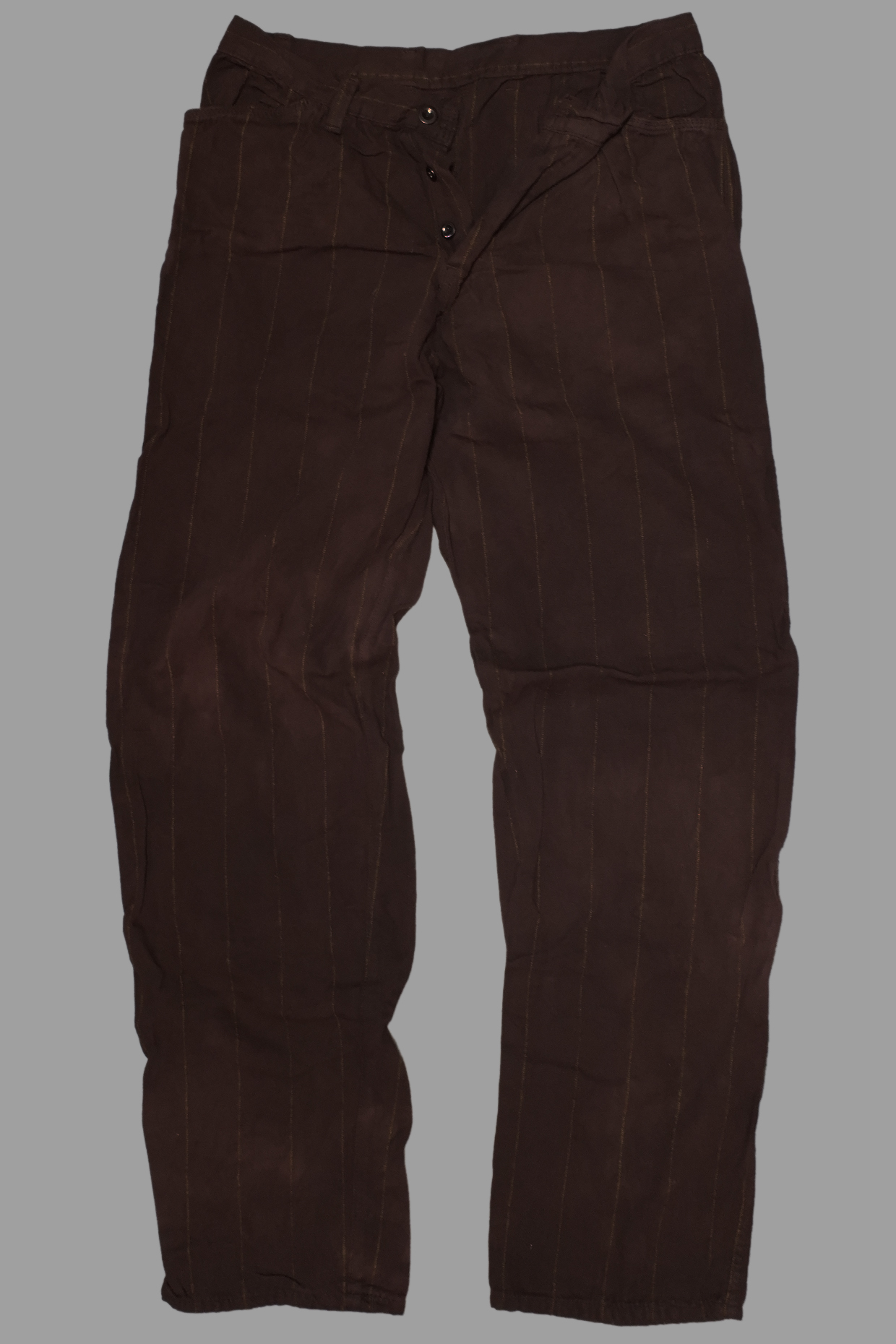
Straight leg jeans with an extra high rise and a generous seat and thigh.
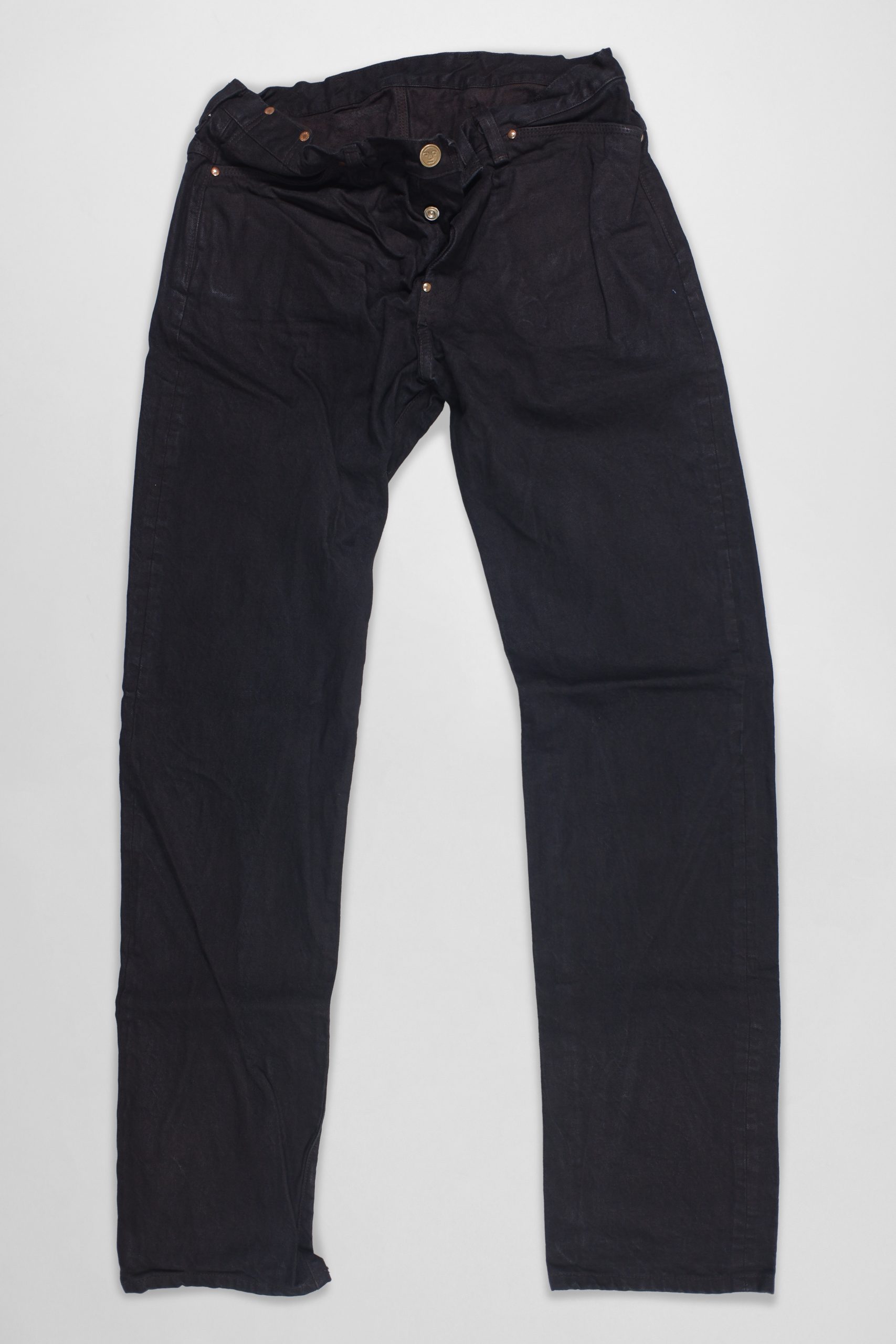
High waist jeans with a generous seat and thigh, and a tapered leg.
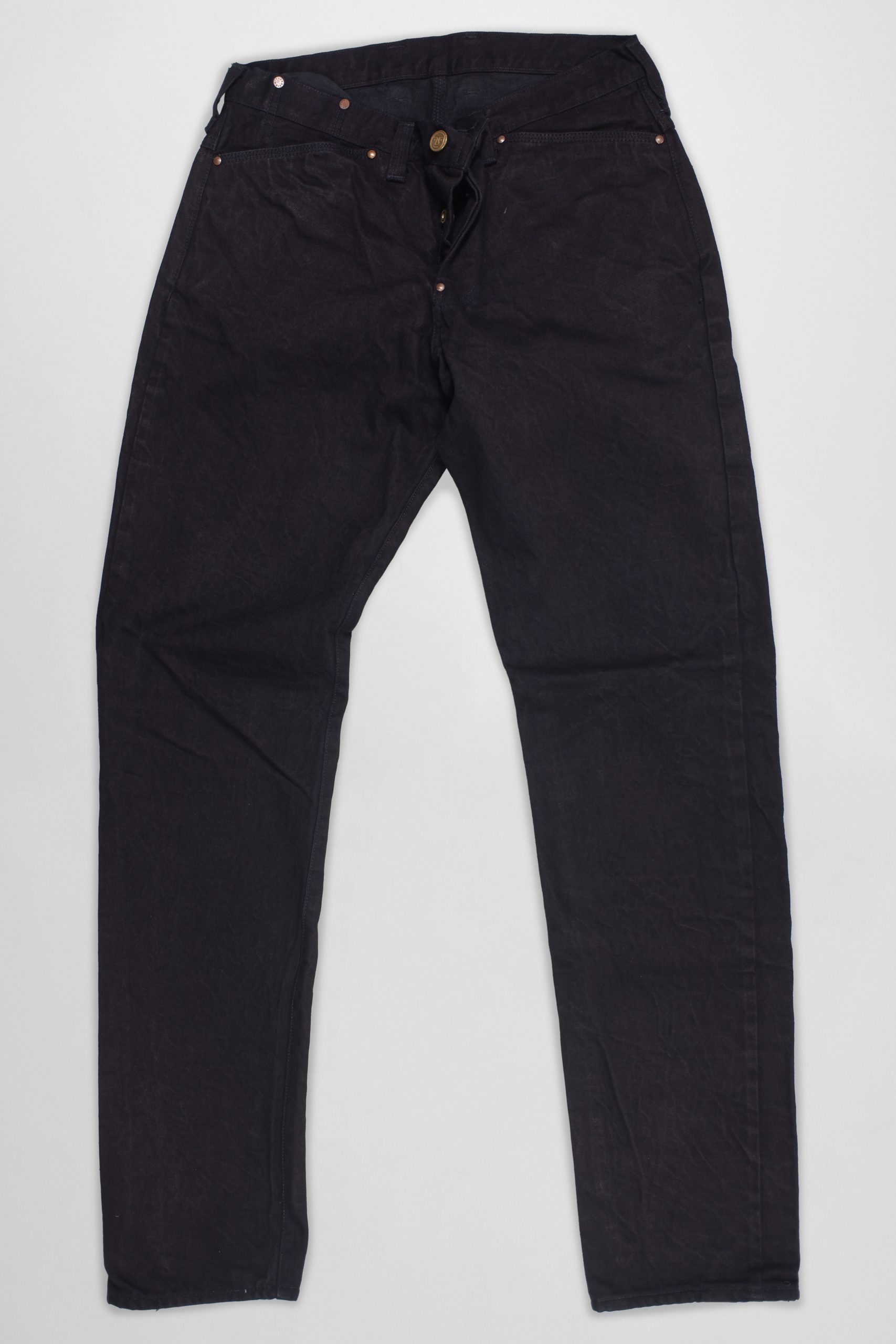
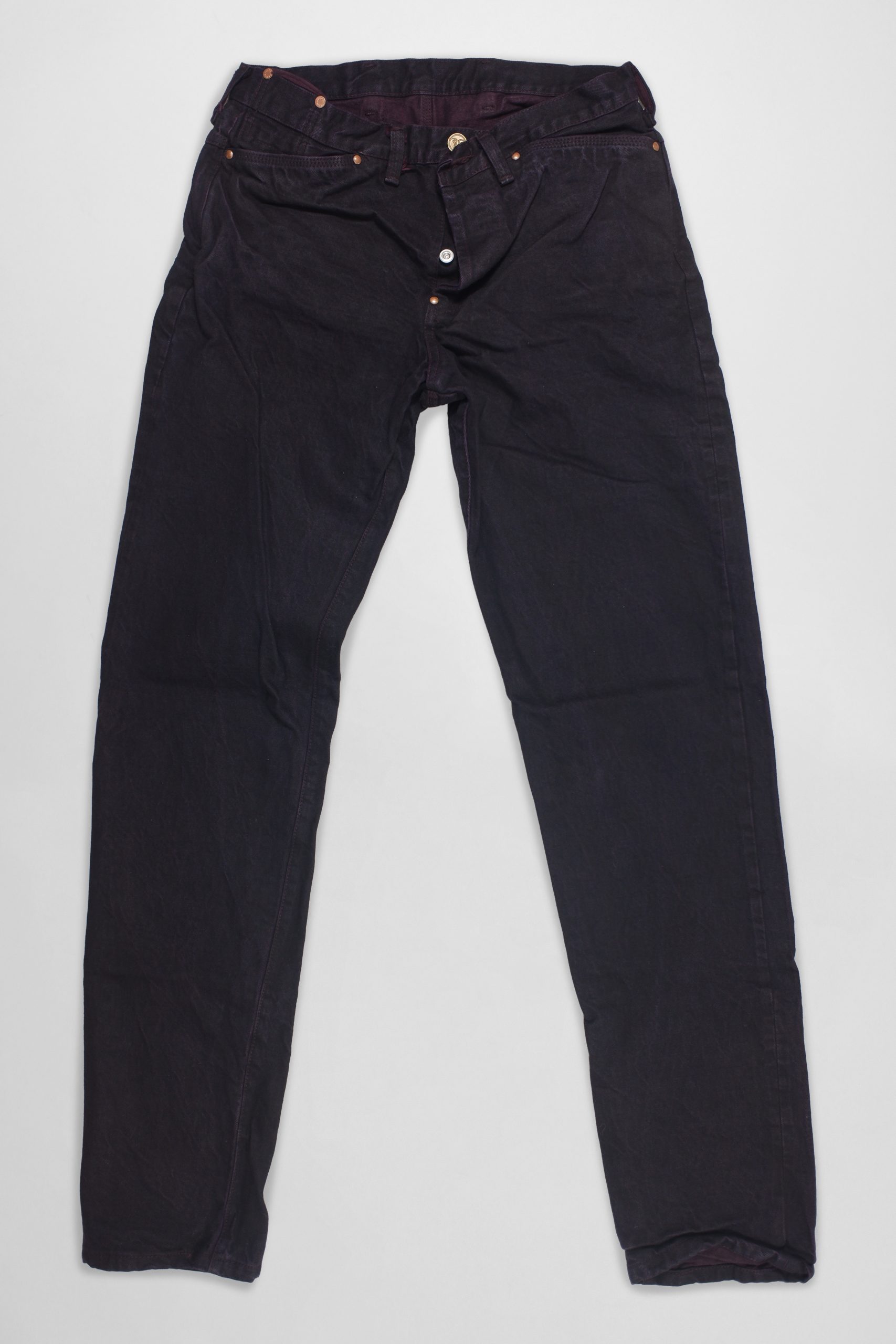
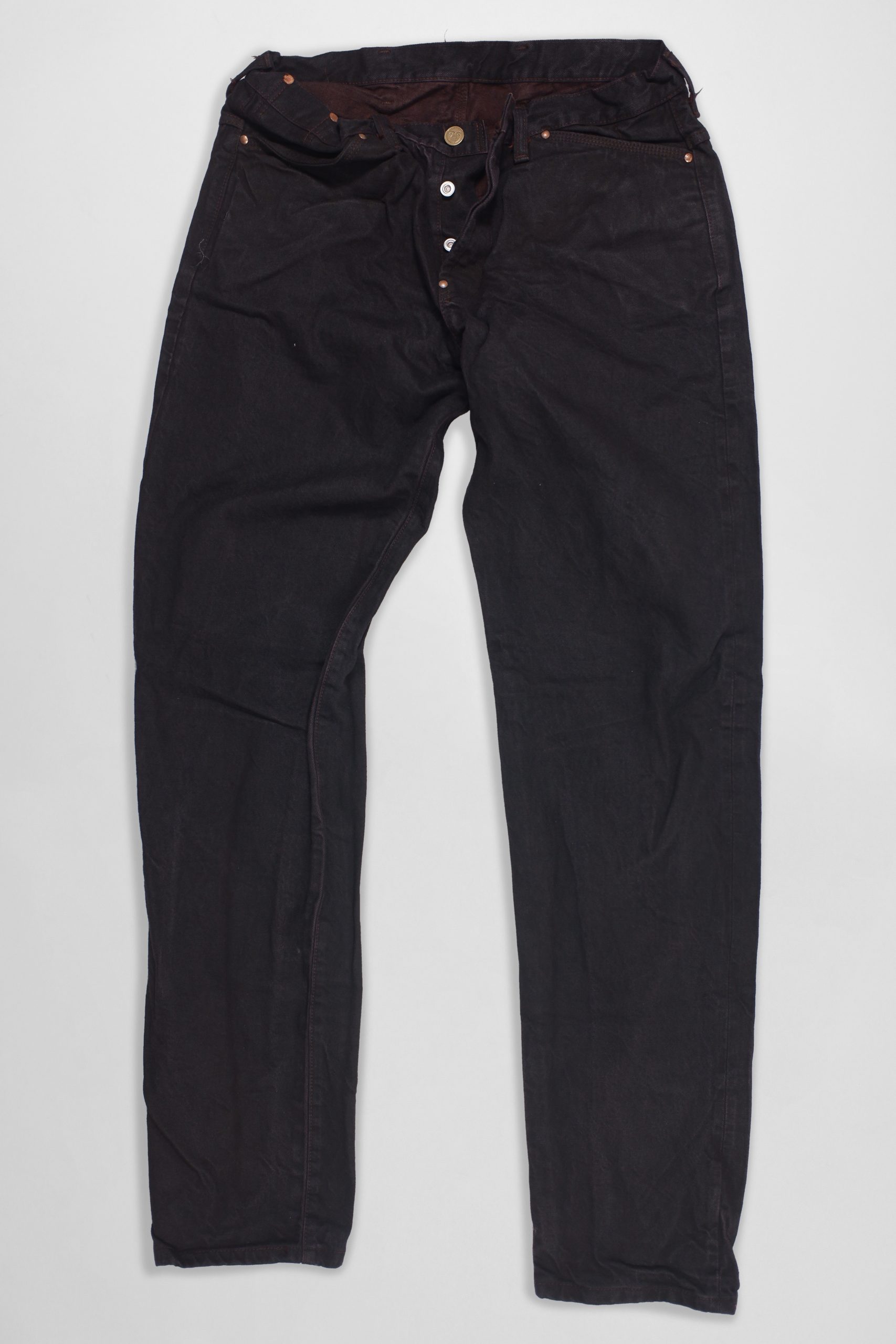

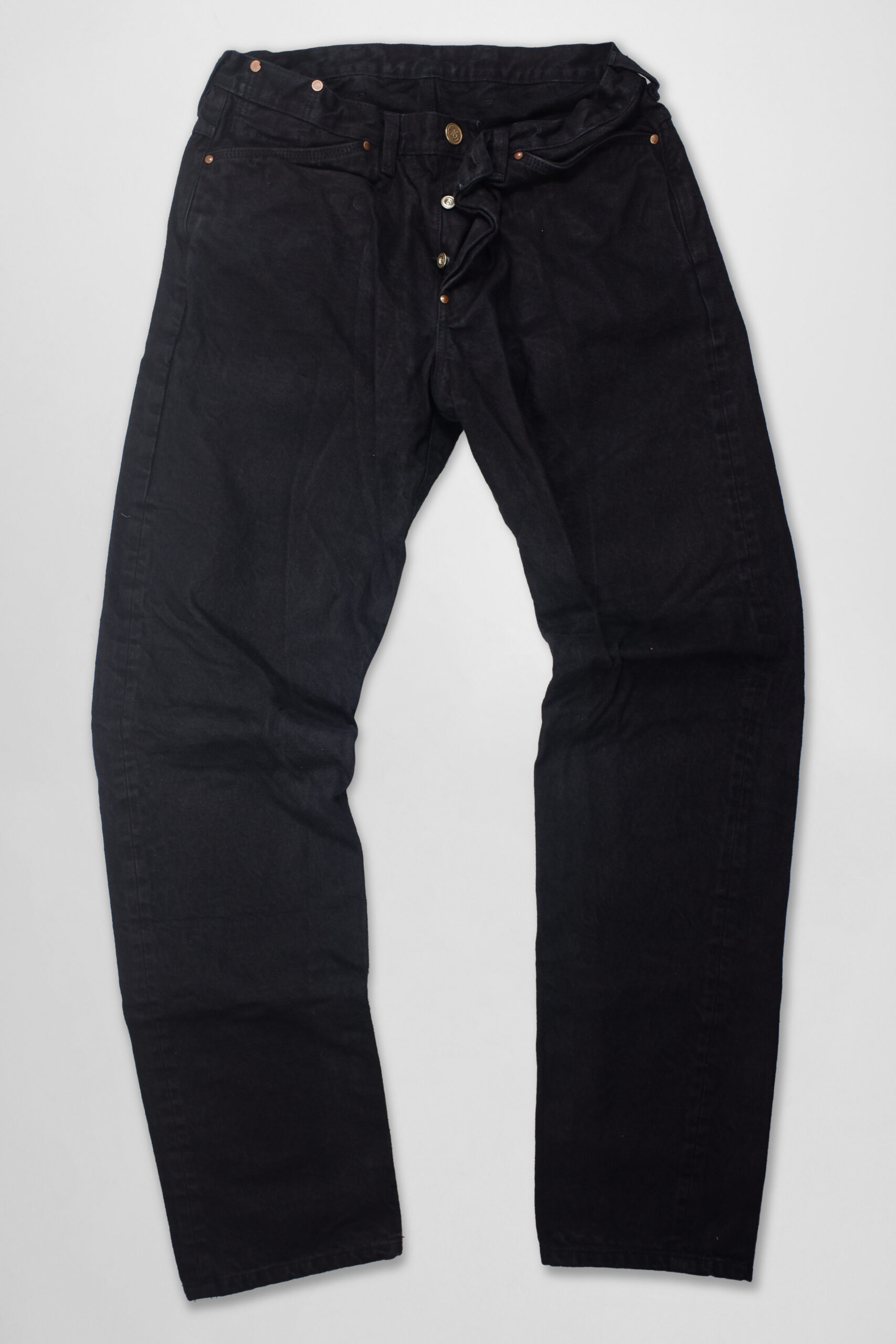
Recut 'Lost' jeans from 2011. 130s with a slightly straighter lower leg, but not quite the full straight wide leg of 132s.
The Crossover Studio Apron is cut shorter than a standard apron, finishing at the hips, and keeping a shirt clean without constricting the legs.

The first Tender jacket, cut with yokes grown on to the back panel, so that the shoulder is seamless and cut on the bias, for a particularly comfortable fit over time.
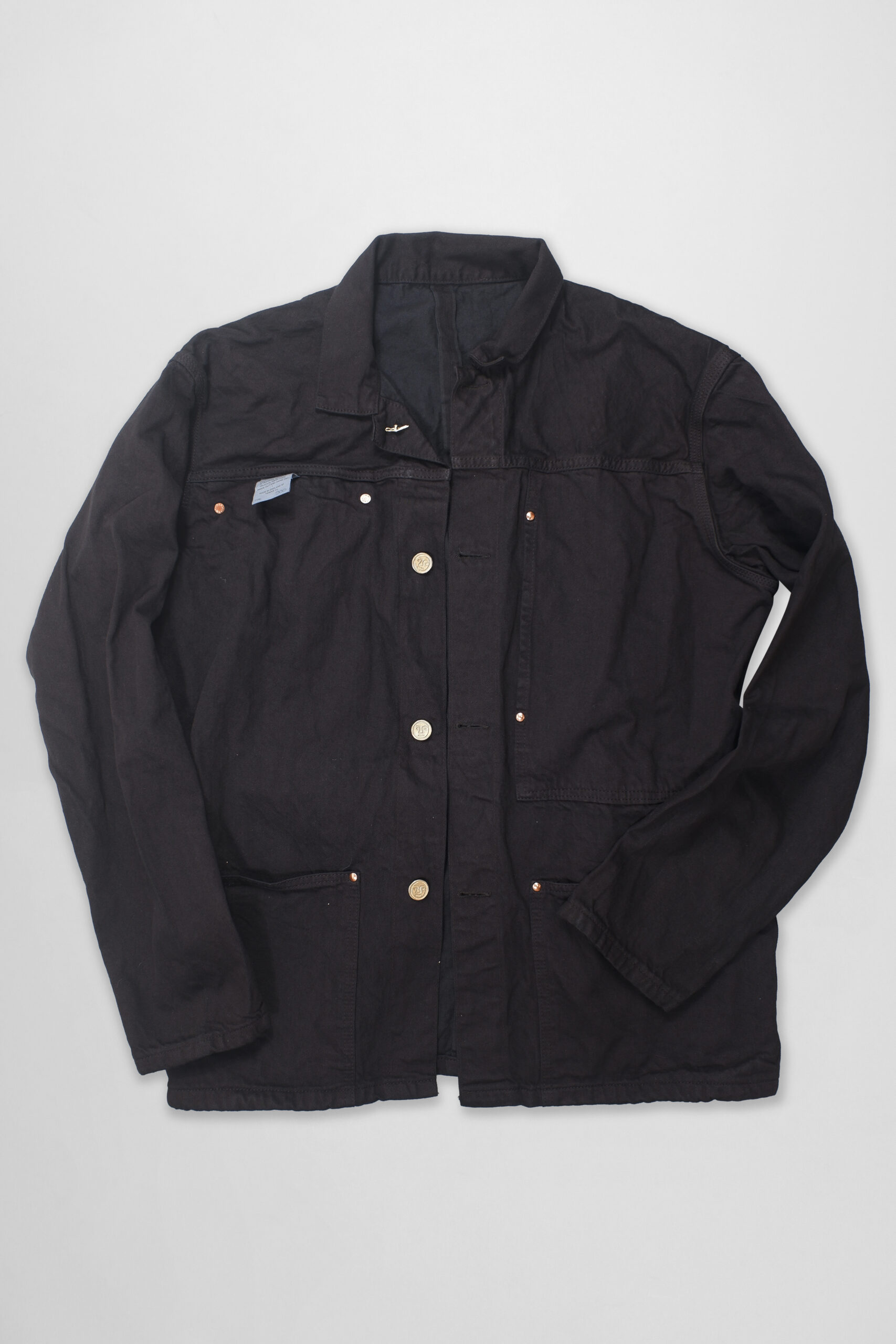
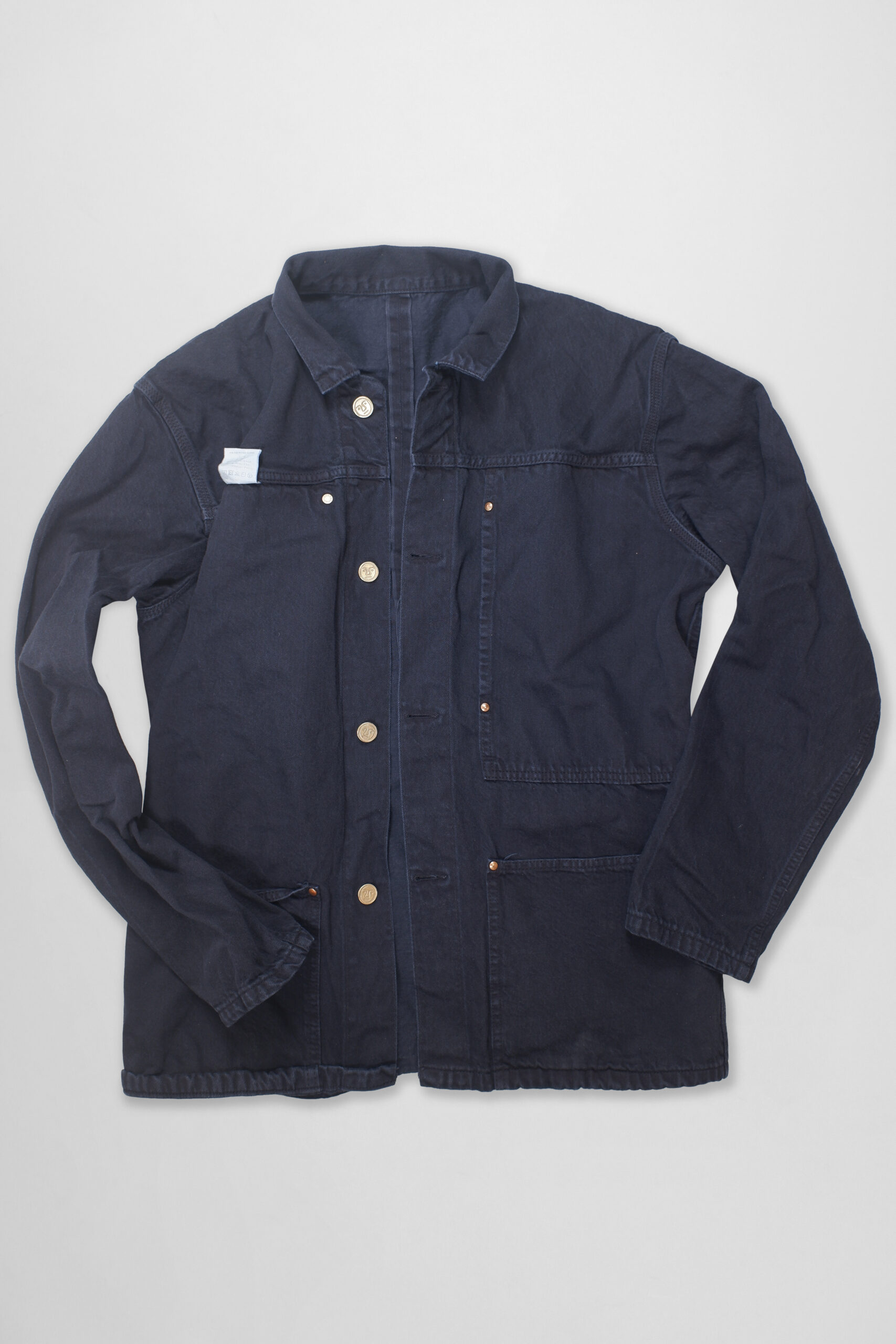


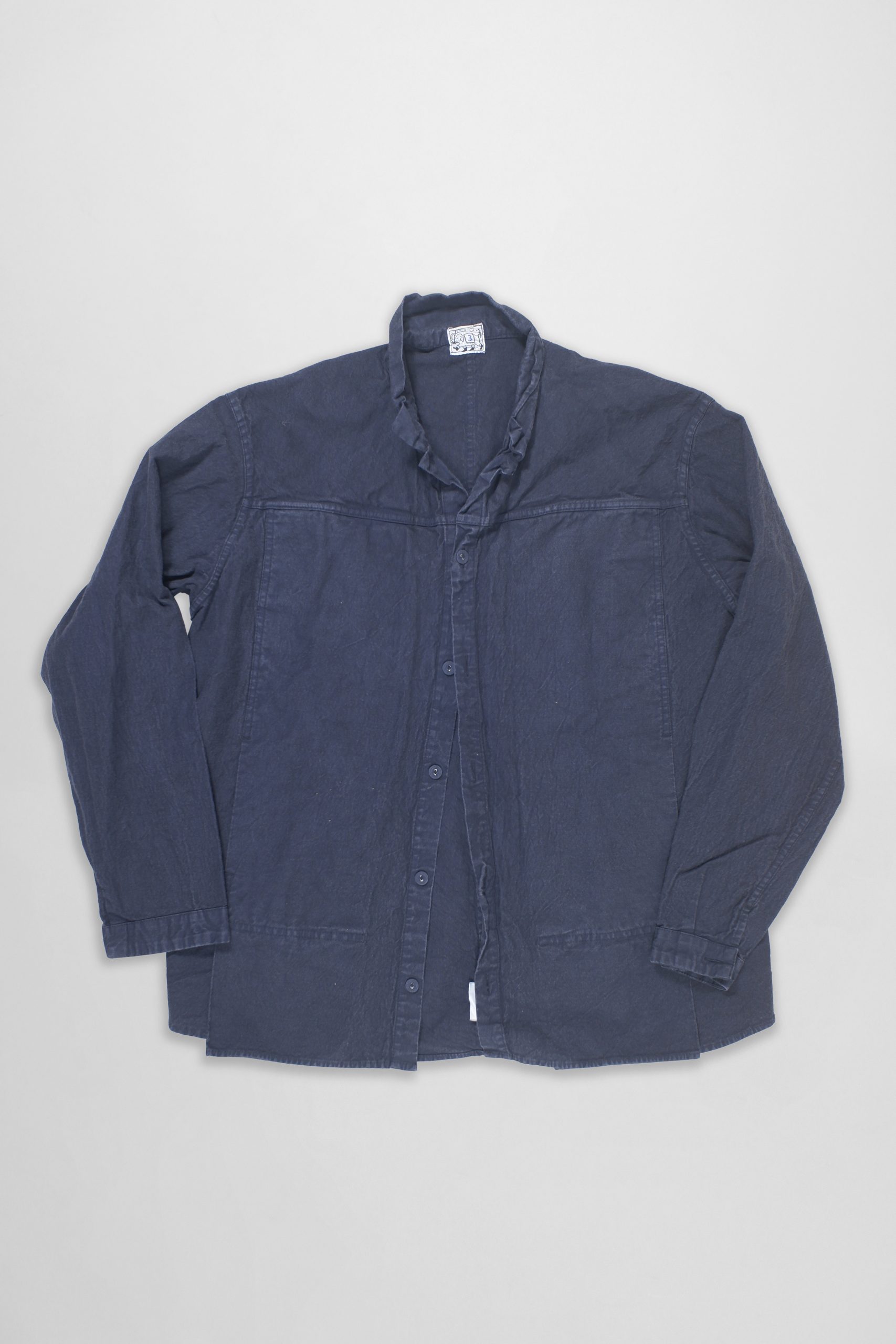
The Floor shirt is an edited interpretation of a factory overshirt, with large hand pockets and wide sleeves. The stitching at the shoulders appears to make a traditional seamed split yoke, but in fact it shows how the front and back panels overlap, forming a double thickness at the shoulders without any additional seams.


To shape and stiffen the shoulders, the fronts and backs of the Dart Shoulder Jacket are cut in a single, straight, piece, which is darted at an angle where a shoulder seam normally would be.

The Double Breasted Common Coat is a wider-wrap version of the Type 916 Common Coat.


The panels for Lobster Tail Jackets are all individually lined and bias-bound, before assembling with flat lapped seams.


The Turvy Compass Pocket Jacket is based on the Compass Pocket Shirt, spun around by 90° so that the tails join at the front and back of the jacket, and the large curved pockets sit all the way across each side of the body.

The Pleat Pocket Shirt is cut with a large front panel pleated into the yoke to form a large hand-warmer pocket.