X

Welcome to the Tender Stores. Orders are charged in US$ and are dispatched from Pennsylvania USA.
Please contact us with any questions.
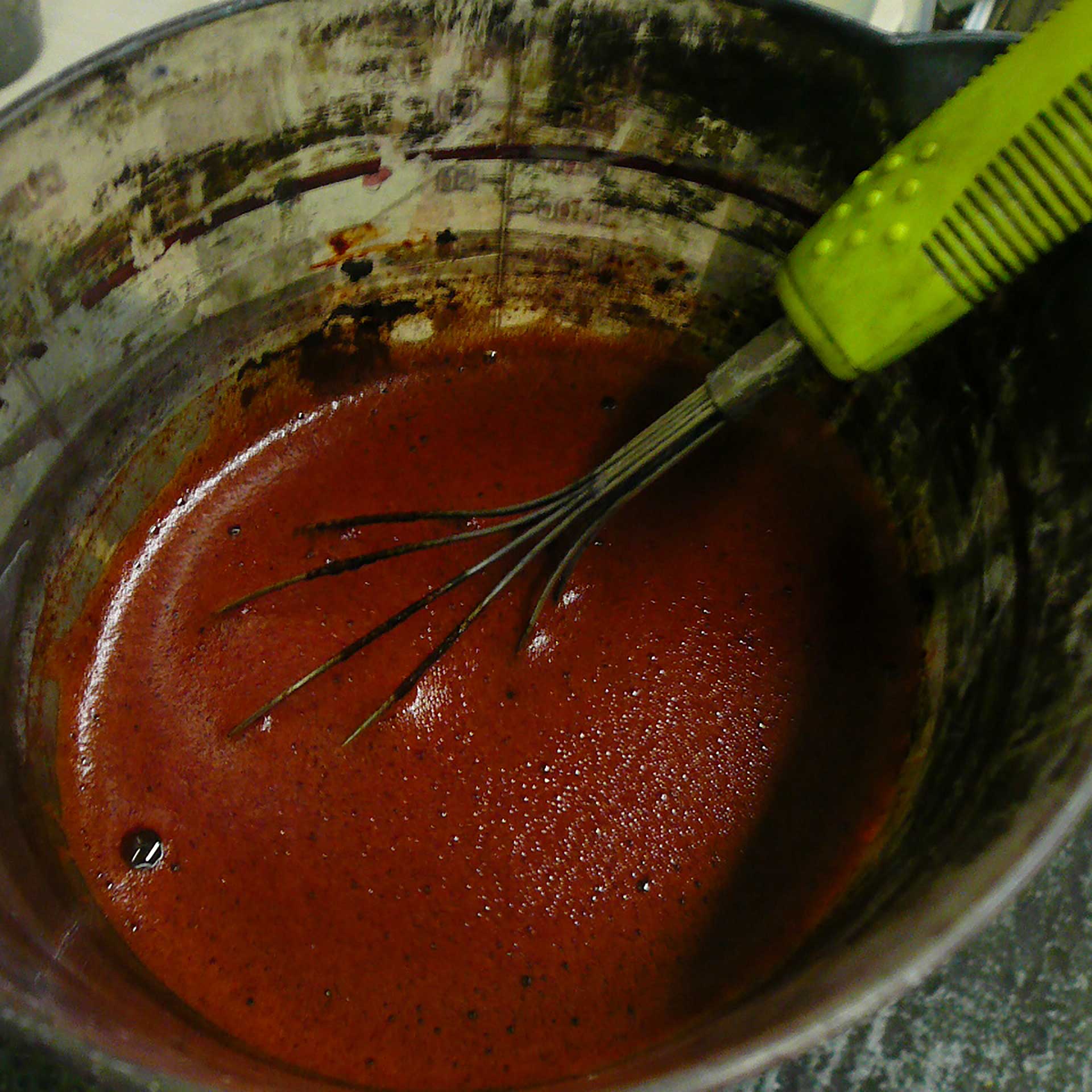
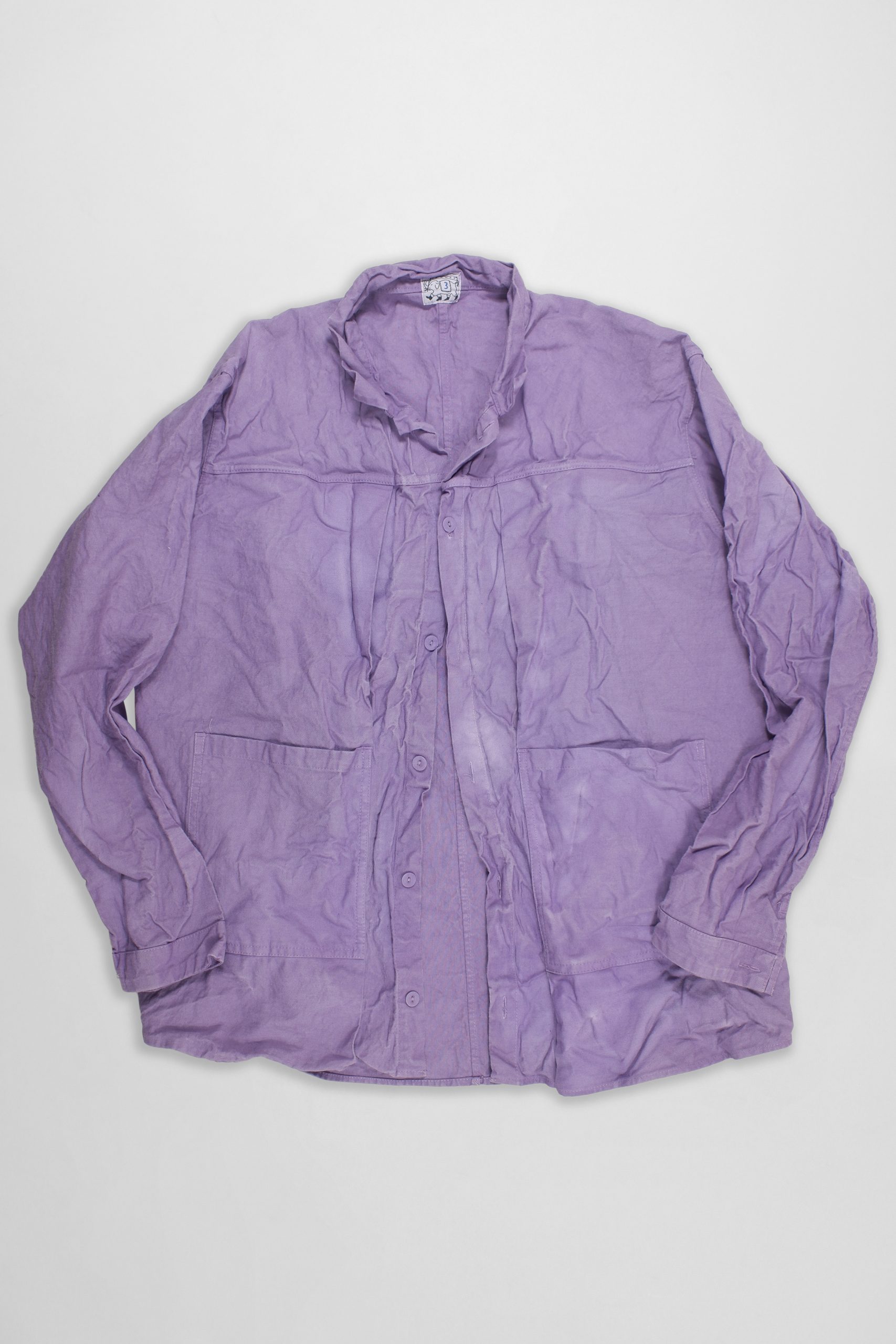
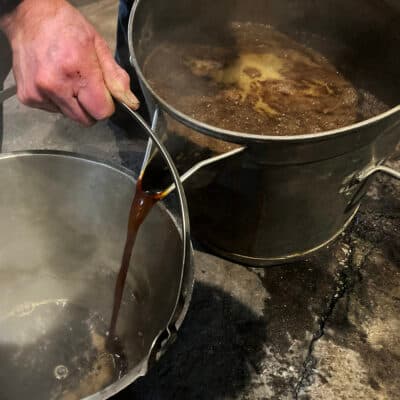
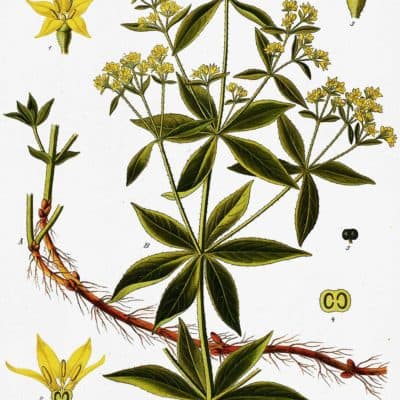
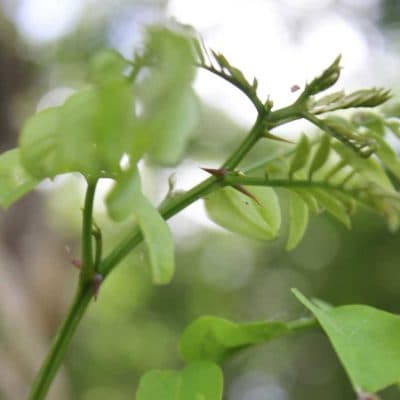
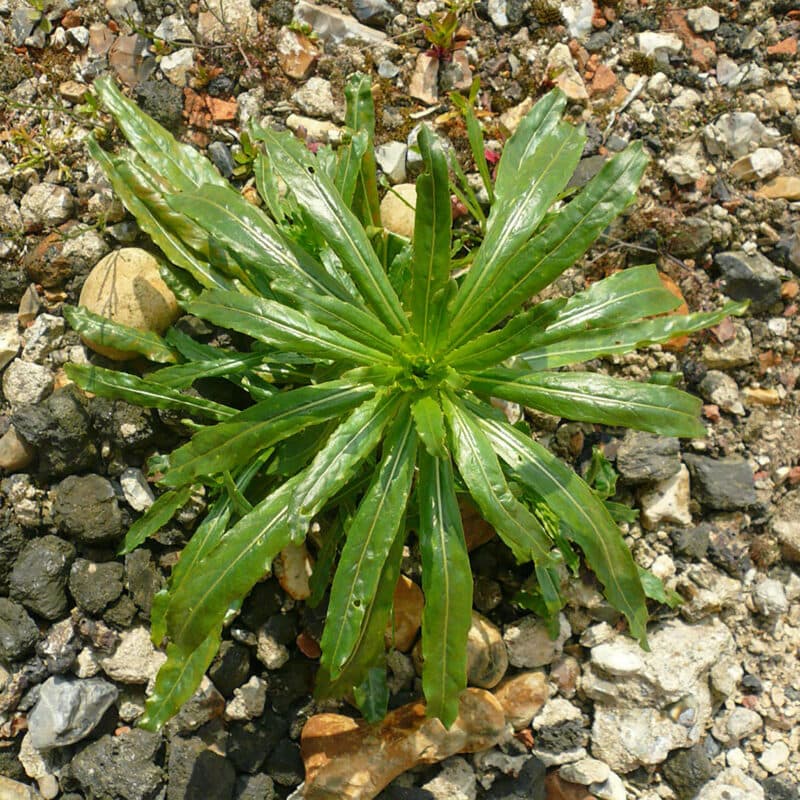
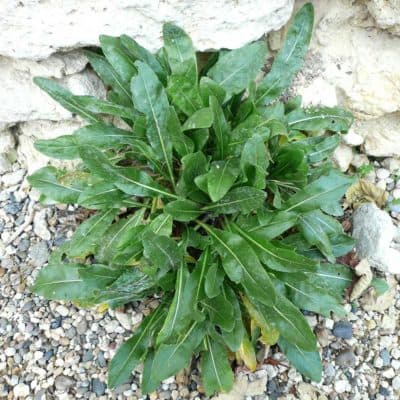
Logwood, or bloodwood, is a tree that is native to the West Indies and South America. When the ground heartwood is soaked in water it makes a blood red liquid which can be used as an indicator solution, changing colour depending on what is added to it. Used as a dye it can produce a range of colours from black and purple to a delicate fawn.
Aztec and Mayan cultures used logwood for centuries, and it was highly prized when it was first brought to Europe by the Spanish in the 15th Century. In the 1570s Elizabeth I ordered privateers to seize Spanish logwood cargoes, escalating hostilities between the two countries and leading, in 1588, to the sinking of the Spanish Armada.
Samuel Pepys’ ‘best black cloth suit’ worn in the 1660s would have been dyed with logwood.
Straight leg jeans with an extra high rise and a generous seat and thigh.

Slim tapered jeans with a mid-height rise, slim seat and thigh, tapered from the knee.

Straight Jeans are a distillation of what a pair of Tender jeans should be. There is no yoke and no shaping in the side seams- the outside seam is a straight selvage line all the way up to the waistband.
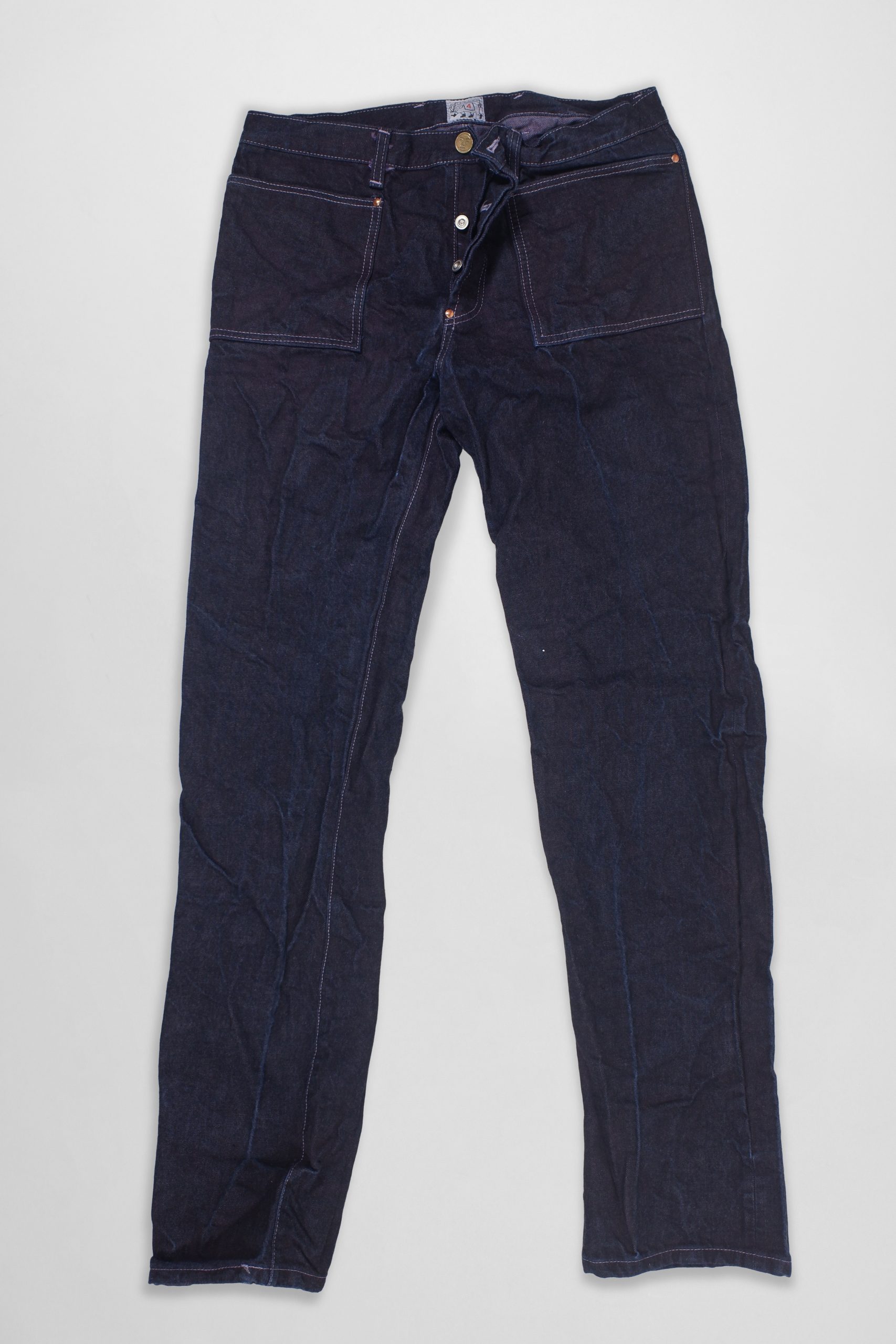
Slim jeans with a high rise, slim seat and gently tapered leg.

High waist jeans with a generous seat and thigh, and a tapered leg.
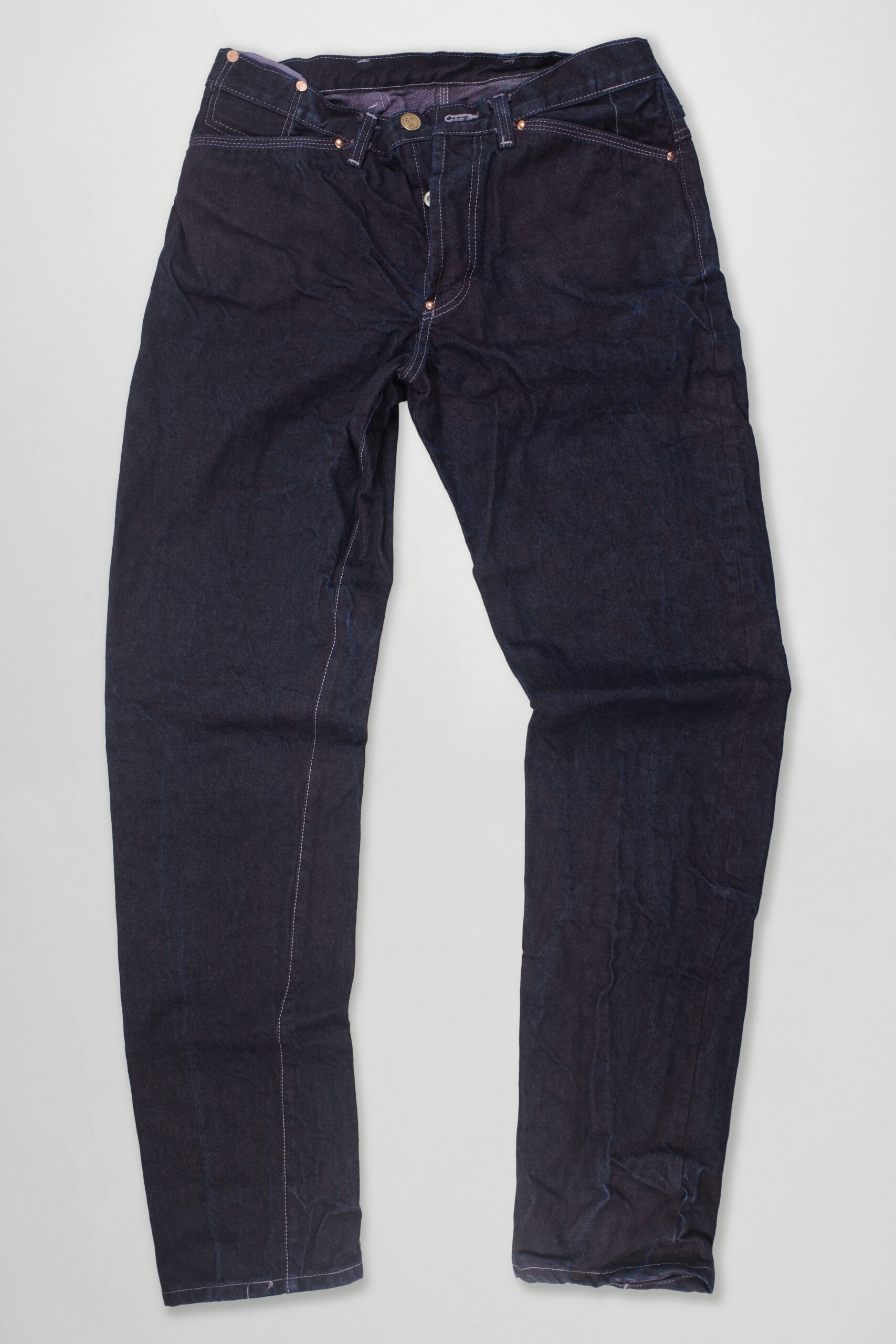


High waist jeans with a generous seat and thigh, and a roomy straight leg.
High waist jeans with a generous seat and thigh, a roomy straight leg, and back thigh driver's pockets.
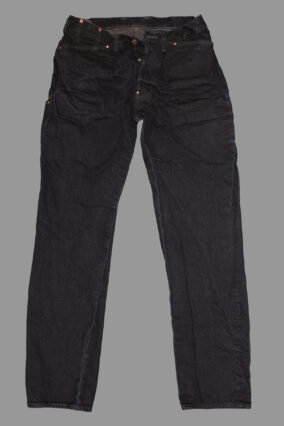
High waist extra wide jeans with a generous seat and thigh, and a very roomy straight leg.
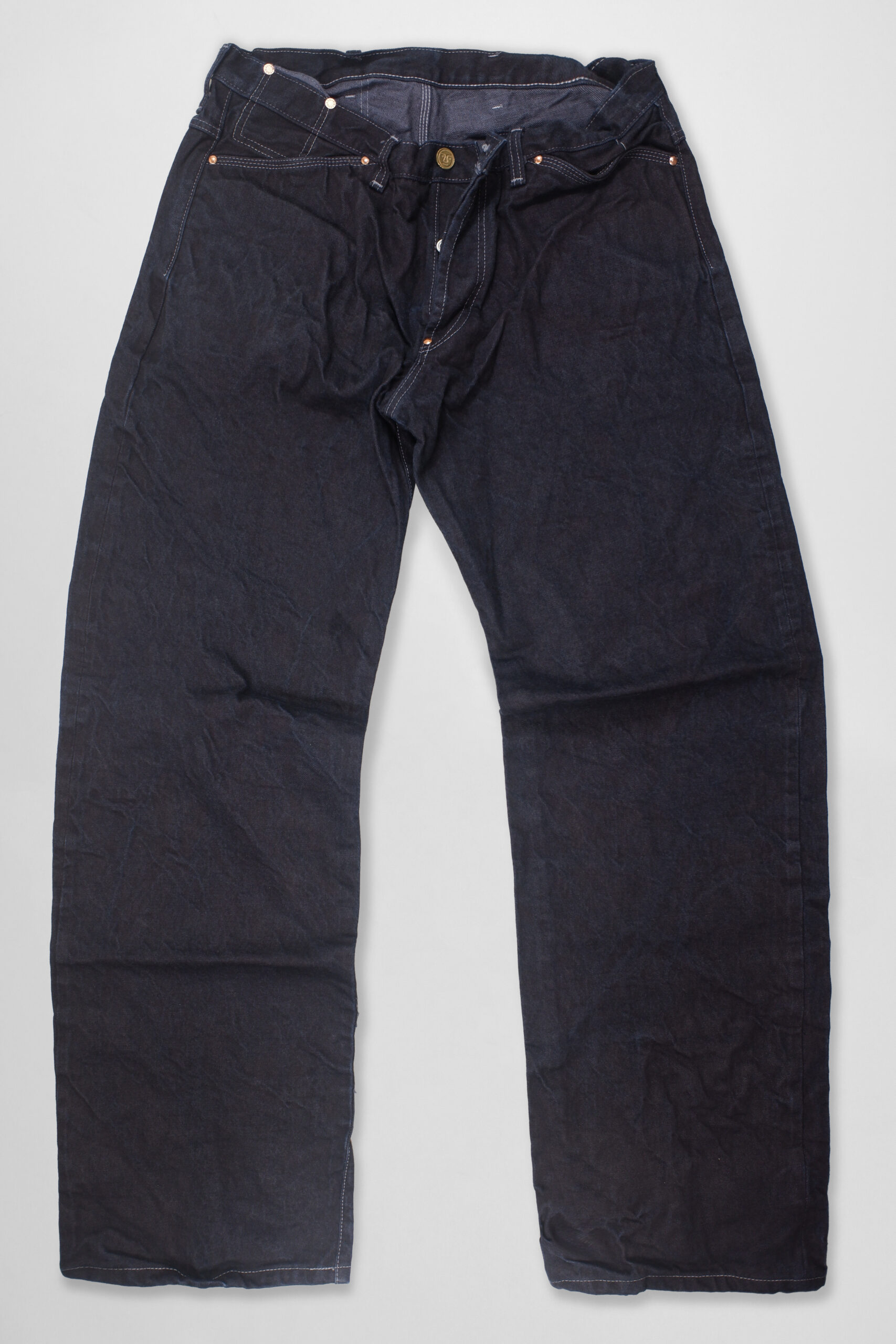
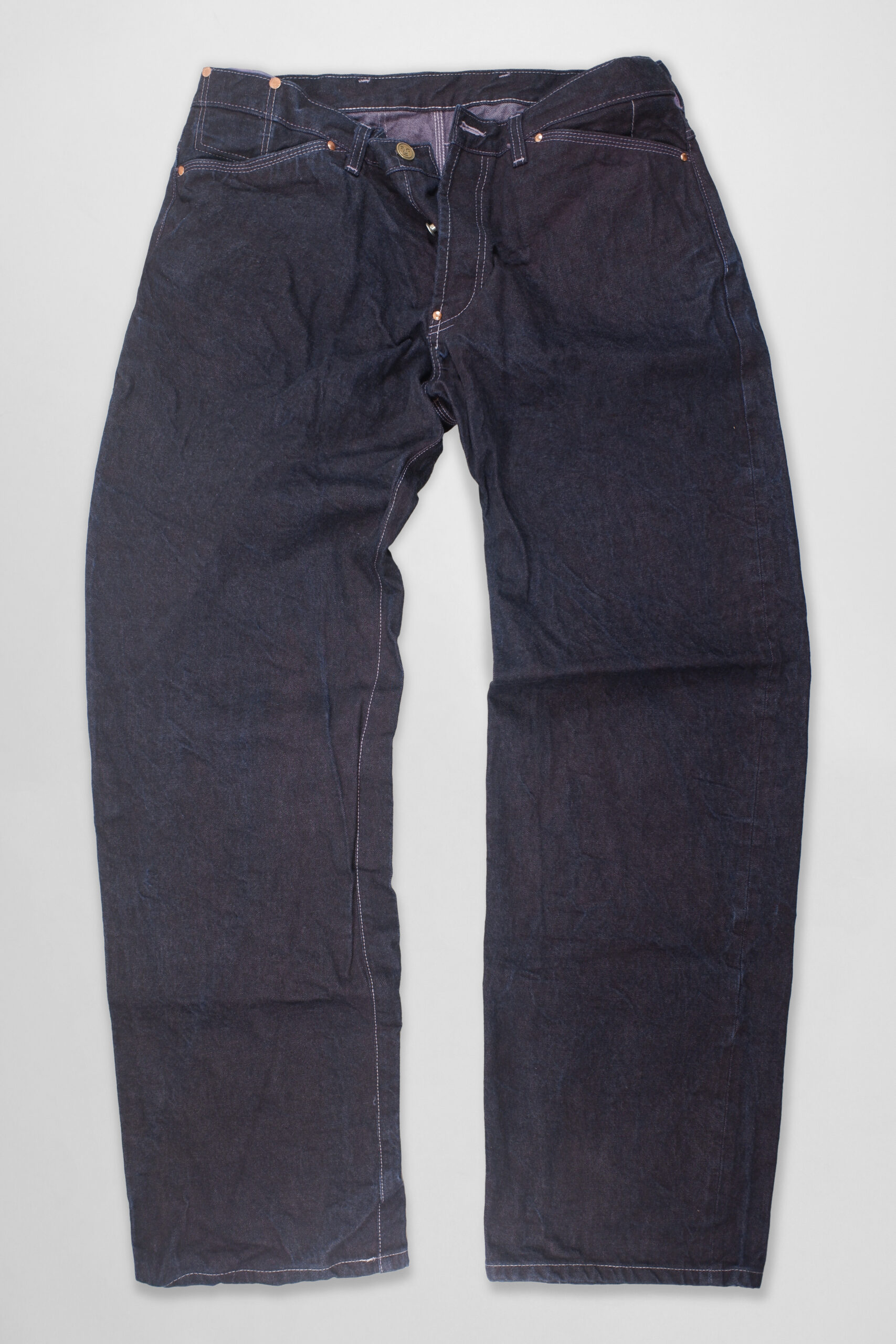
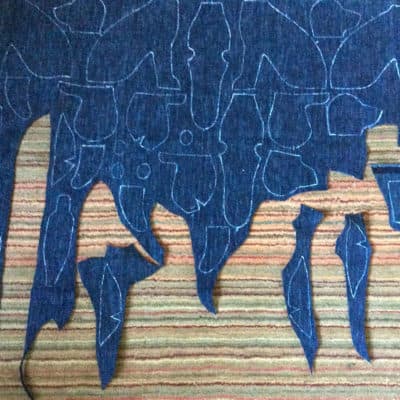
The 904 jacket follows the season's experiments with cross cutting: the pattern is laid sideways across the denim fabric, which governs the length of the body and sleeves, which both finish with horizontal selvage lines.

Based on a Boy Scouts of America uniform jacket from the textiles collection at University of Wisconsin-Madison, the extra large collar can be worn up, down, or buttoned half way, tight to the neck.
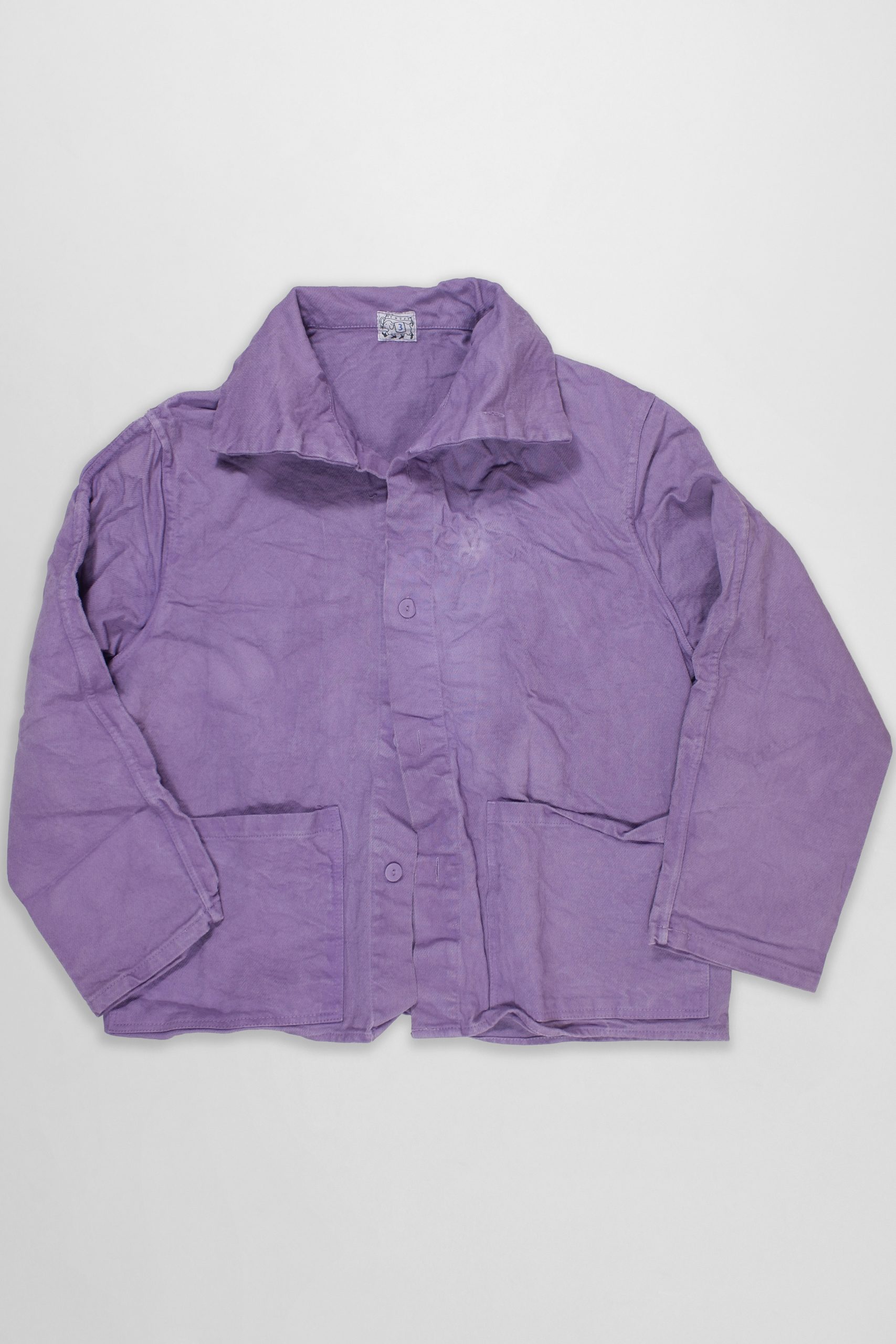
The Pleat Pocket Shirt is cut with a large front panel pleated into the yoke to form a large hand-warmer pocket.
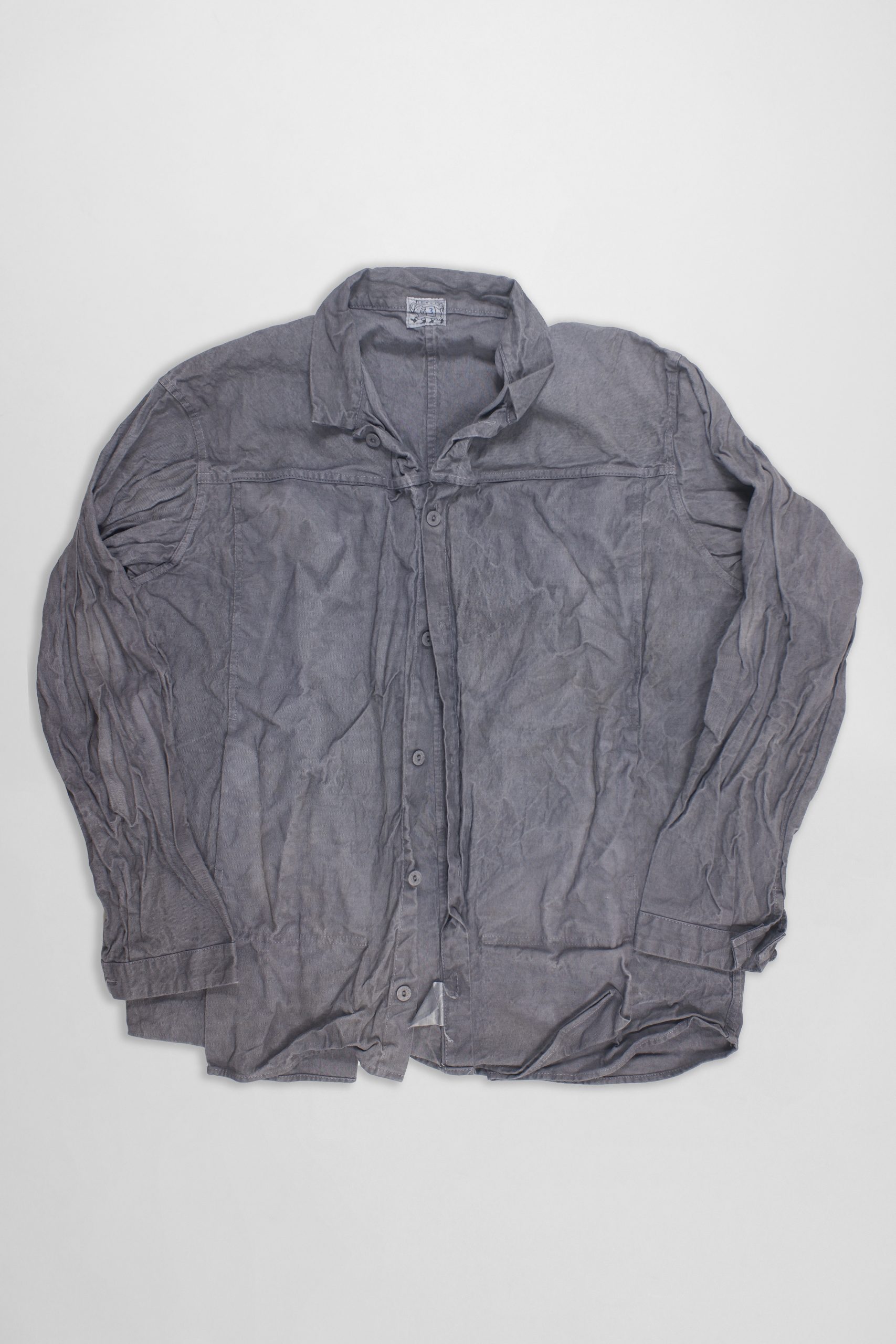
The Two Birds Shirt creates two pockets with one line of pocket stitching.