X

Welcome to the Tender Stores. Orders are charged in US$ and are dispatched from Pennsylvania USA.
Please contact us with any questions.
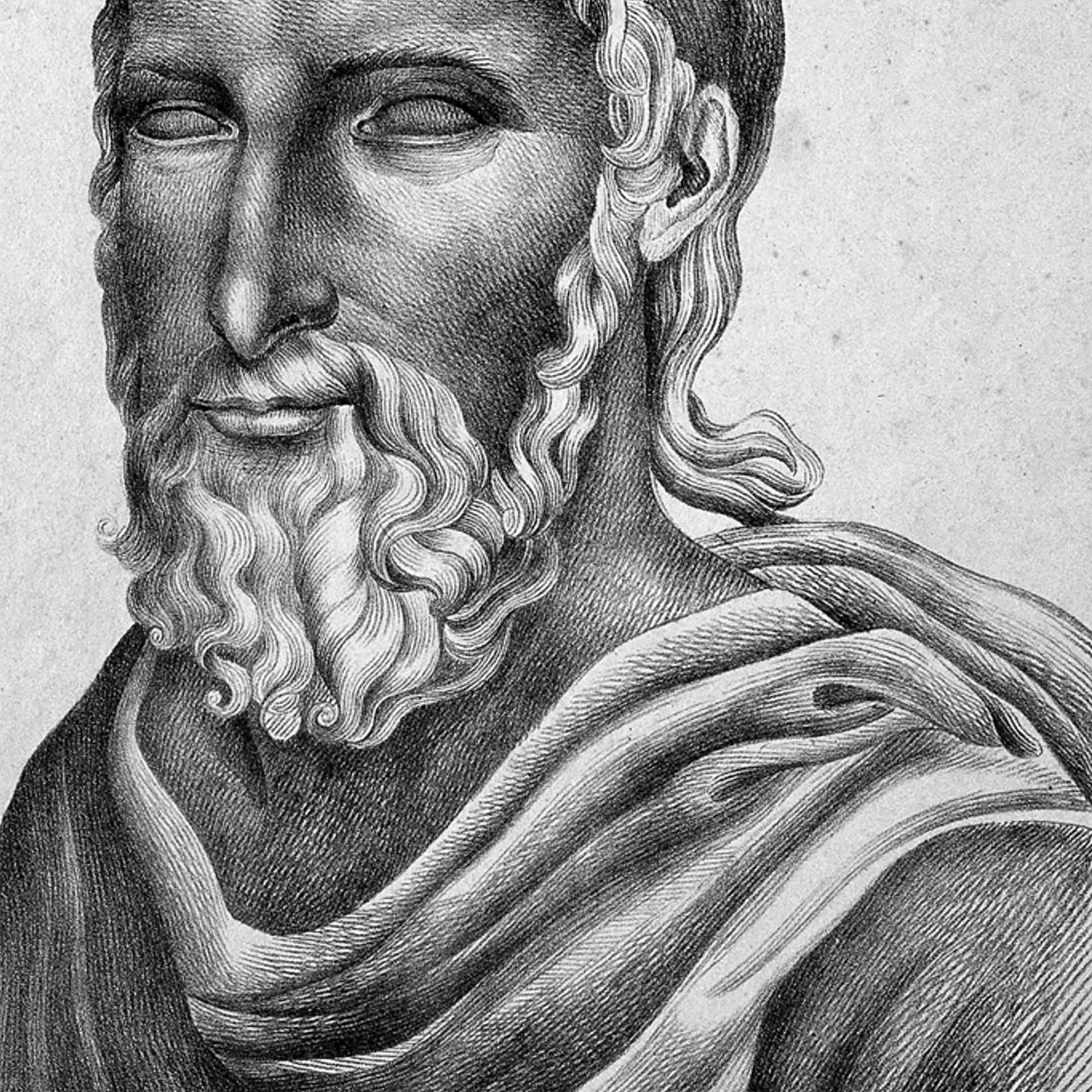
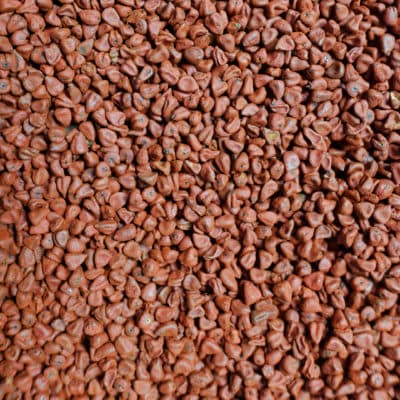
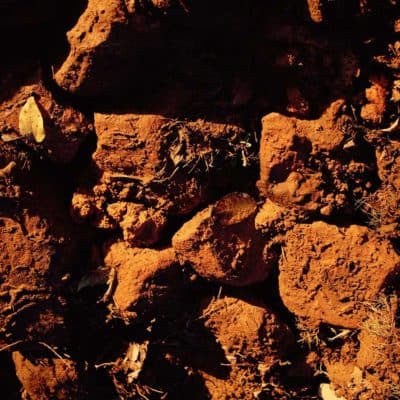
First described by the naturalist Pliny the Elder around the middle of the First Century CE, alongside black dyes obtained from burnt ivory (“elephantinon”) and cuttlefish (“sæpia”), he simply says: “We have indicum also, a substance imported from India, the composition of which is at present unknown to me.” The pigment is in fact a dried and powdered clay, traditionally used as a house paint, or mixed with size (dissolved starch) to make Indian ink.True Indian black was later replaced with crushed charcoal as a more readily available alternative.
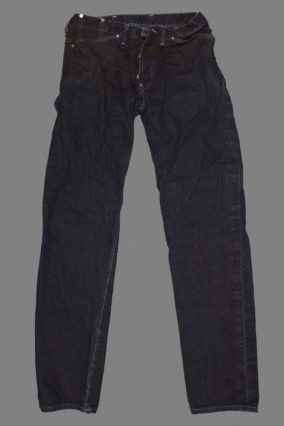
Slim tapered jeans with a mid-height rise, slim seat and thigh, tapered from the knee.
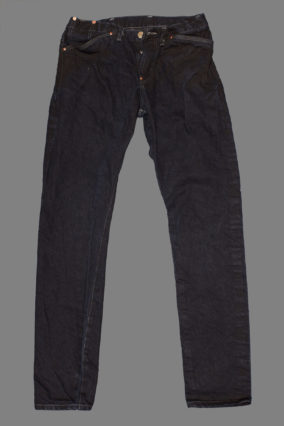
Slim jeans with a high rise, slim seat and gently tapered leg.
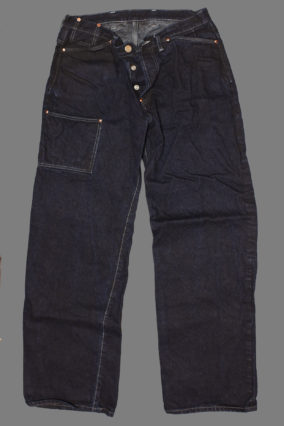
High waist extra wide jeans with a generous seat and thigh, a very roomy straight leg and an extra front thigh gardener's pocket.
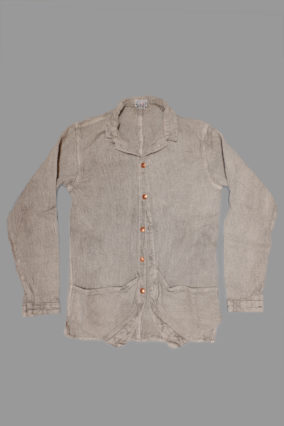
The Periscope Pocket Tail Shirt is made with pockets which echo the large chest pockets of generic work shirts, accessed from the middle at the top. Periscope pockets have an additional opening at the lower outside, so they can also be used as hand-warmers.
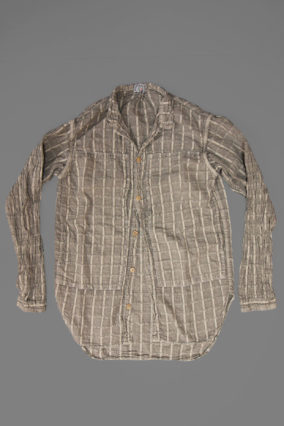
The Baste Pocket Shirt is named after a tailor's baste- the first rough fitting for a bespoke garment. The shirt is cut with long straight front panels, which are folded up to form a pocket, and back at the fronts to form a cut-away, like the basted front of a bespoke waistcoat.