X

Welcome to the Tender Stores. Orders are charged in US$ and are dispatched from Pennsylvania USA.
Please contact us with any questions.
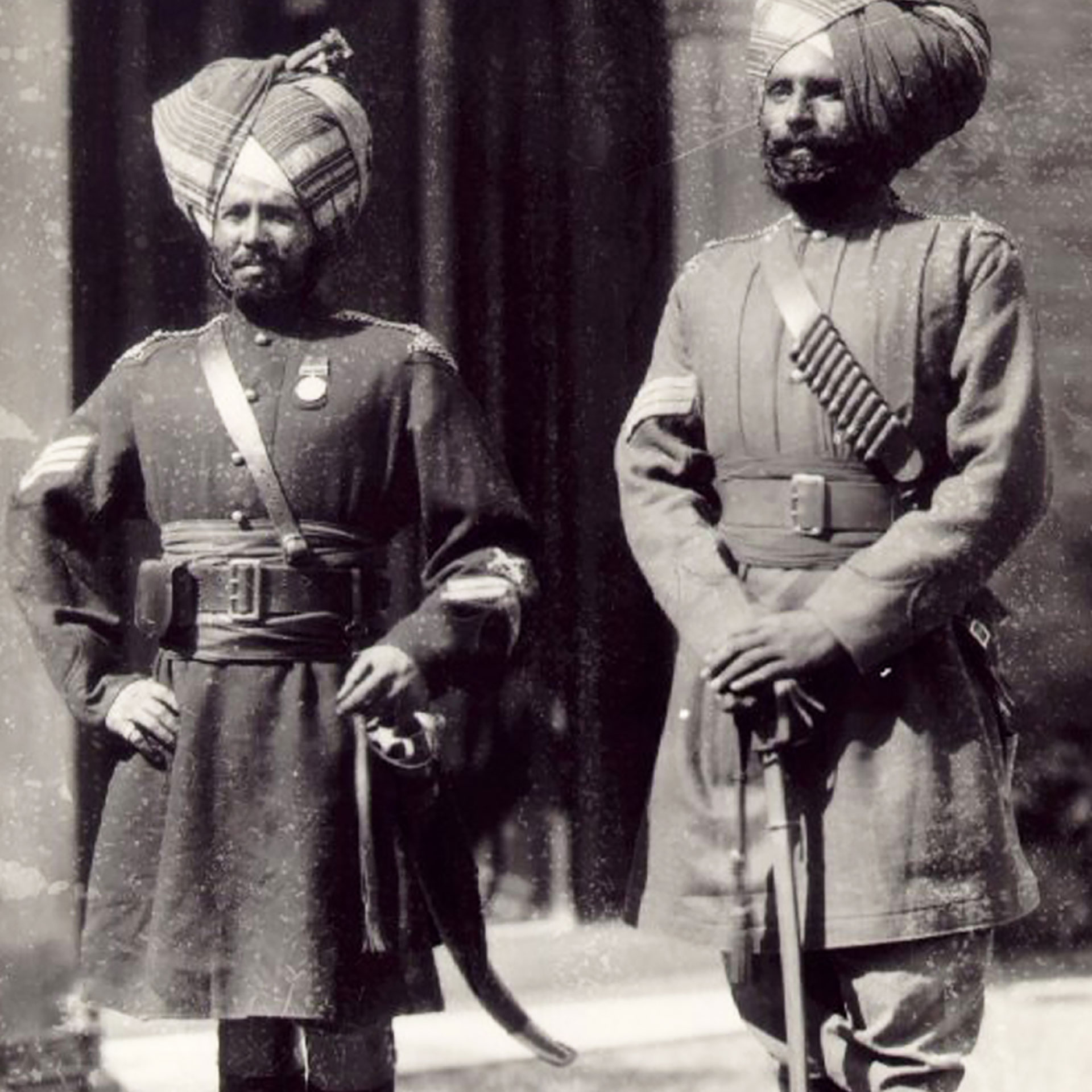
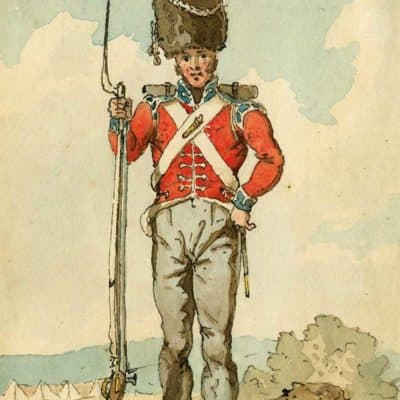
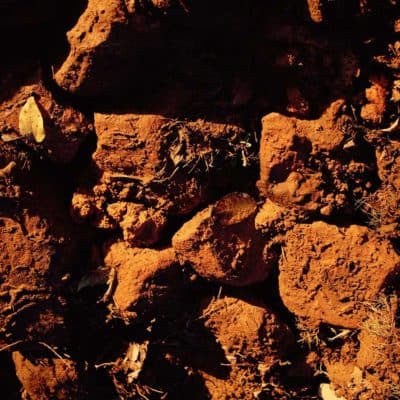
Khaki (from the Persian یکاخ – earthen, or earth-coloured), entered the English language via Hindi, during the British occupation of India. It was adopted by the British army from the mid-19th Century for its camouflage properties, as well as its practicality compared to cochineal-dyed red coats and bright white trousers, for heat and cleaning.
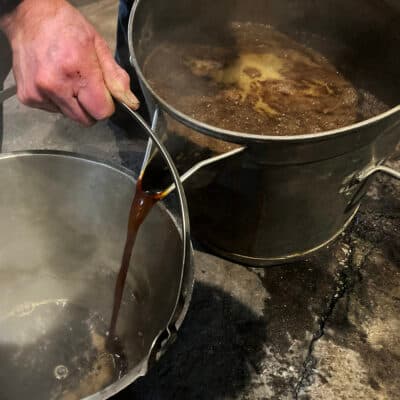
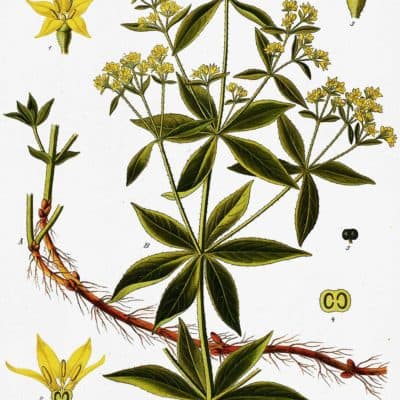
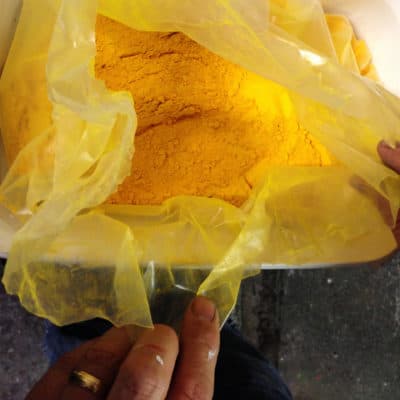
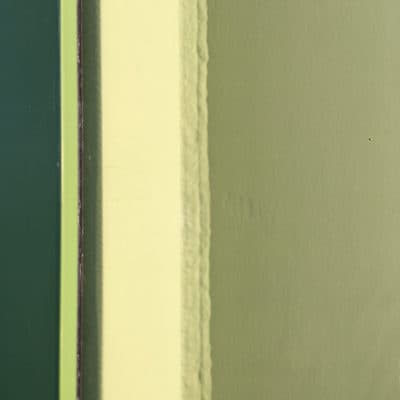
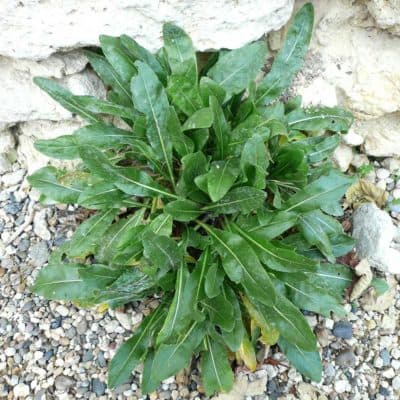
The colour can vary from a tan ‘drab’ traditionally dyed with an extract of the Mazari palm (Nannorrhops ritchiana), to a brighter green, such as this version achieved with a mixture of fermented indigo (Indigofera tinctoria) and turmeric (Curcuma longa).
The Common Coat is Tender's first lined and faced revere jacket. Rather than aping a fully tailored garment, the manufacture remains true to the idea of understandable construction.

Adapted from type 122 Pleat Back Jeans, the seat is shaped by two 'English' pleats, facing towards the middle, and adding roominess for free movement without the structure of seams.

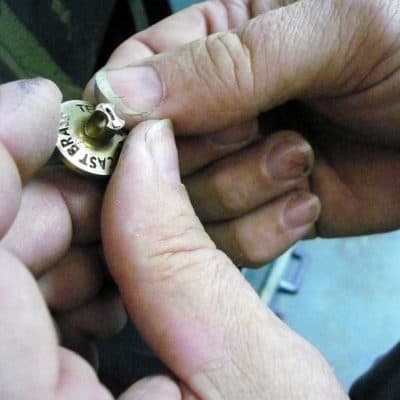
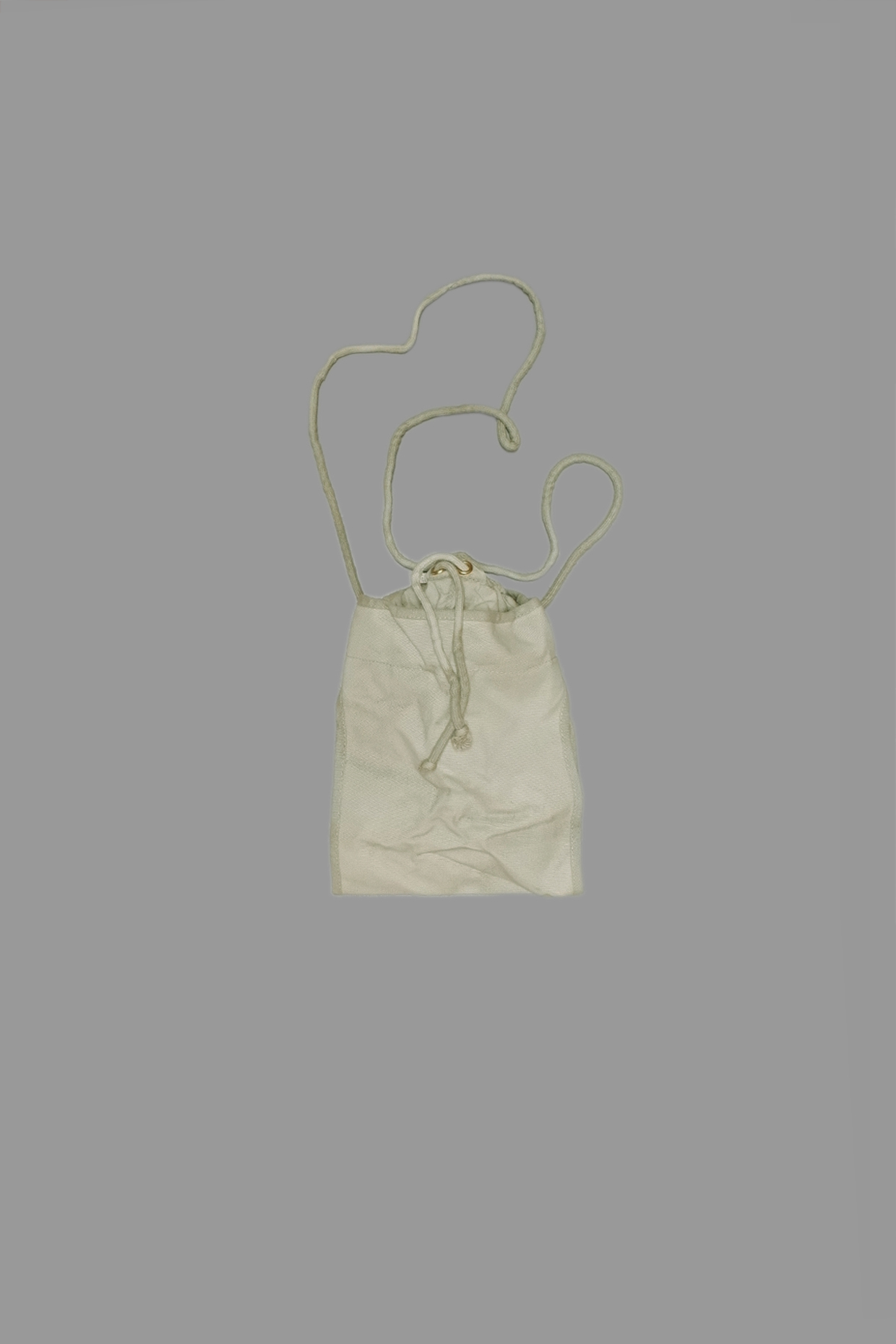
The Elephant Ear satchel is cut from a single piece of heavy cloth bound around the edges with ecru cotton and folded up, with an ear at each side, riveted through to the back with a brass eyelet.

The Elephant Ear pouch is cut from a single piece of heavy fabric bound around the edges with ecru cotton and folded up, with an ear at each side, riveted through to the back with a brass eyelet.
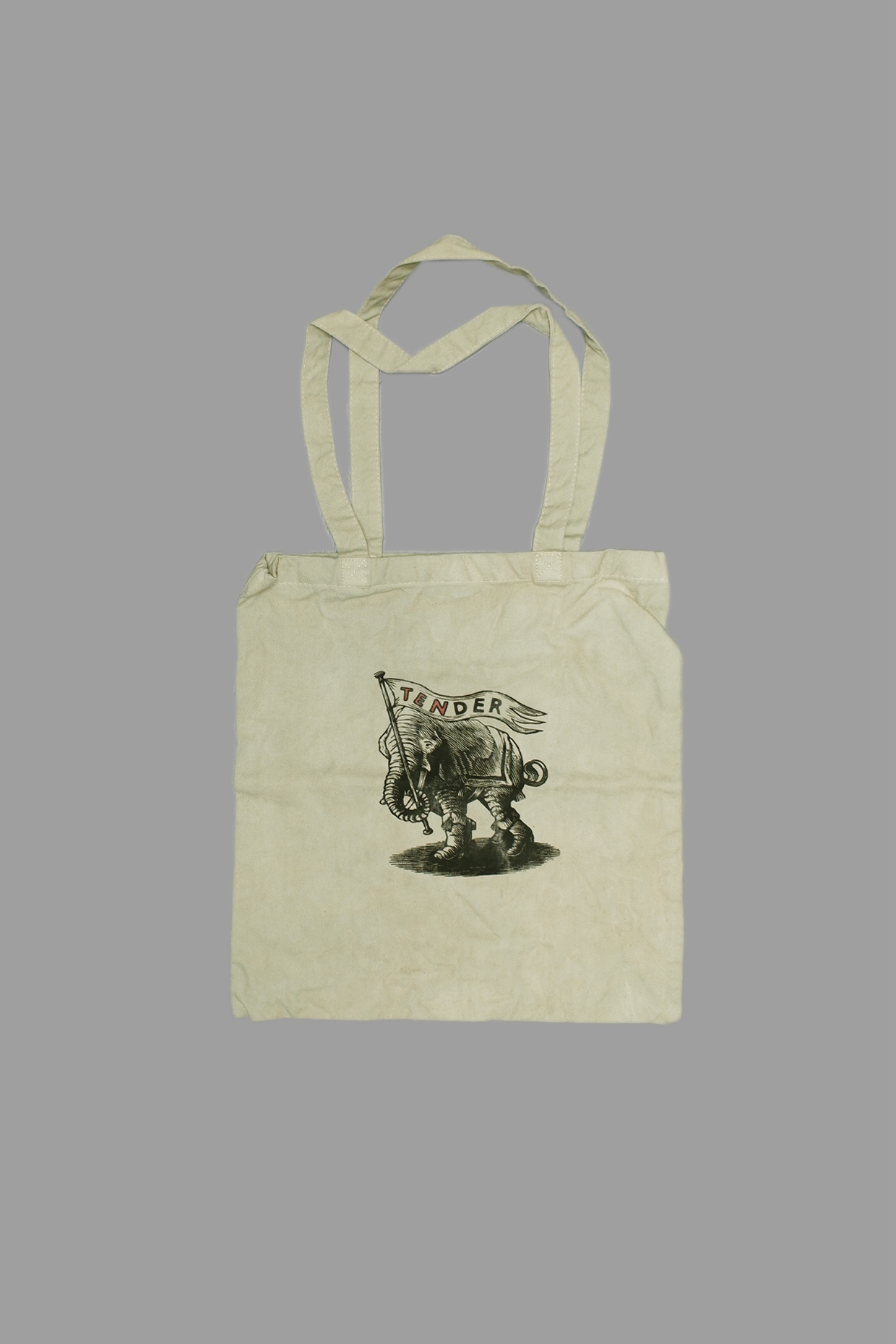
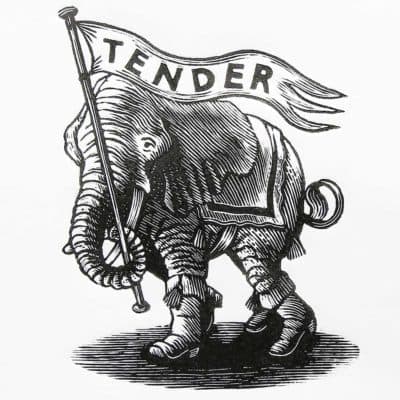
A special anniversary screen print of the engraved Tender elephant. The letters of TEN are left as outlines, and then hand coloured in red. Over time and with washing the red lettering will fade.