X

Welcome to the Tender Stores. Orders are charged in US$ and are dispatched from Pennsylvania USA.
Please contact us with any questions.
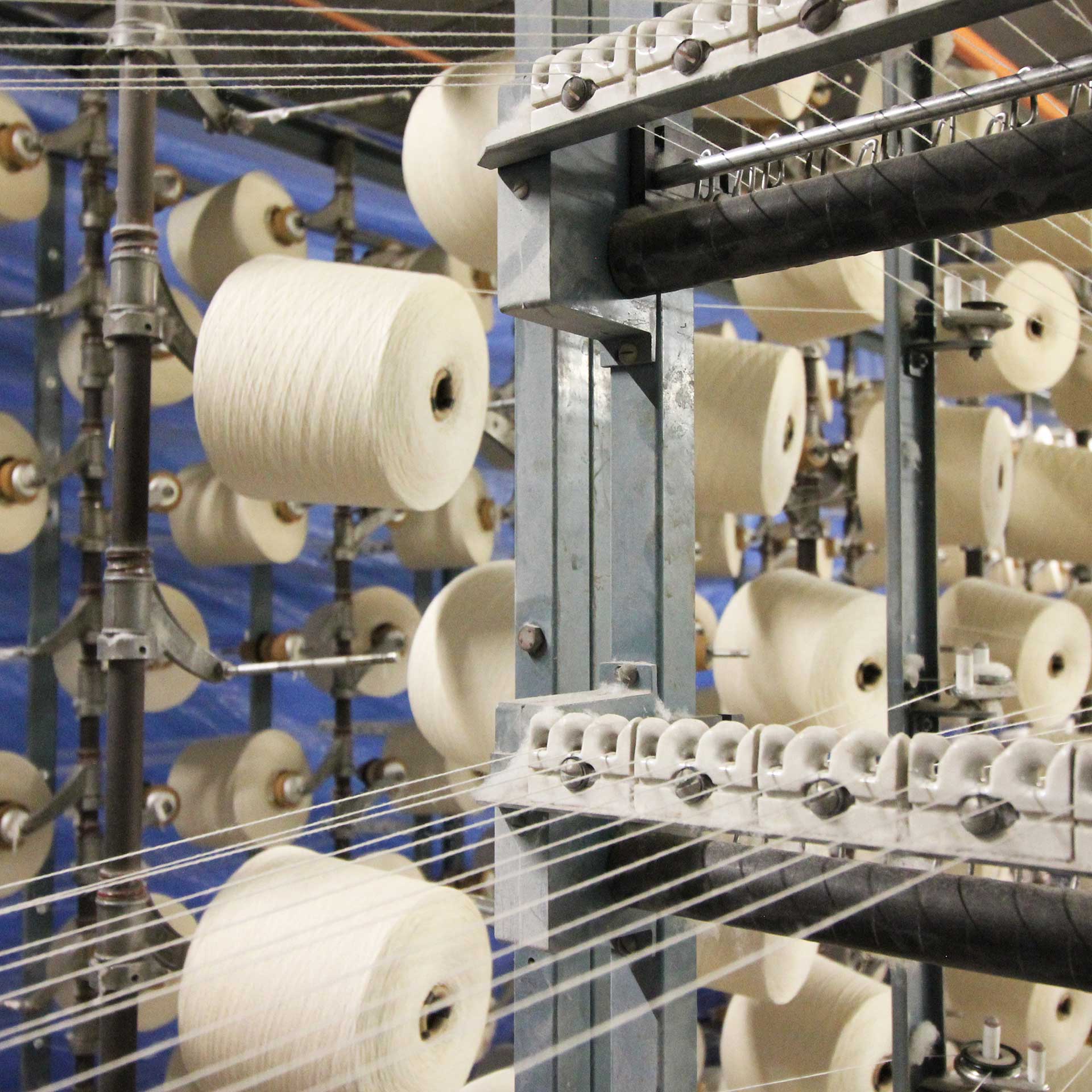
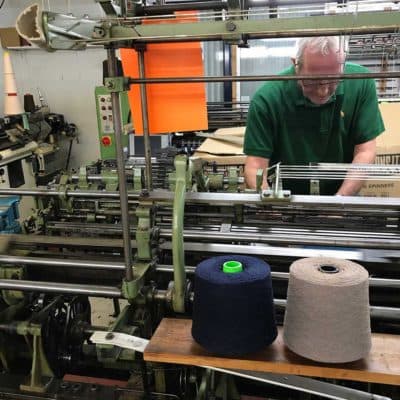
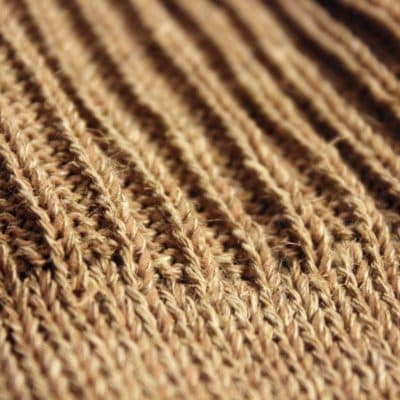
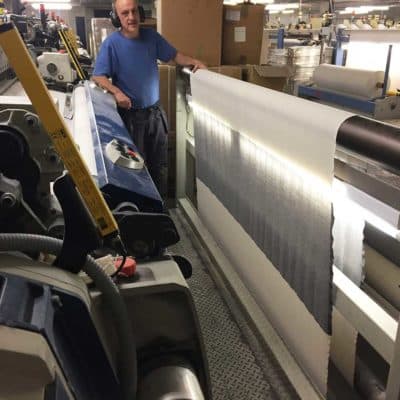
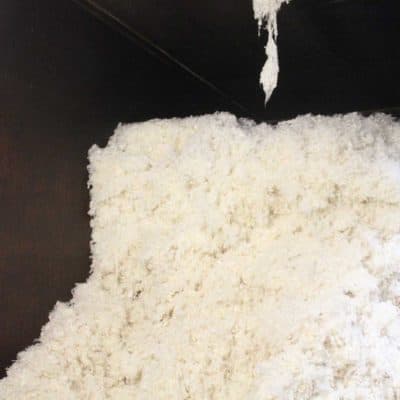
These cotton fabrics (with the exception of Japanese selvage denim) are all woven or knitted in Britain, from long staple Indian or American cotton yarn. Where wool has a rich history of use for outerwear, uniforms, and tailoring, cotton was adopted for workwear as it is durable and relatively breathable. Cotton remains commonly used as an industrial fabric, for machine drums, conveyor belts, and printing beds, as it is resistant to deforming under tension or heat. Many of Tender’s original cotton fabrics are woven on a base warp set up for industrial applications.
Tender Oxford jeans seen through the eyes of a Savile Row trousermaker.


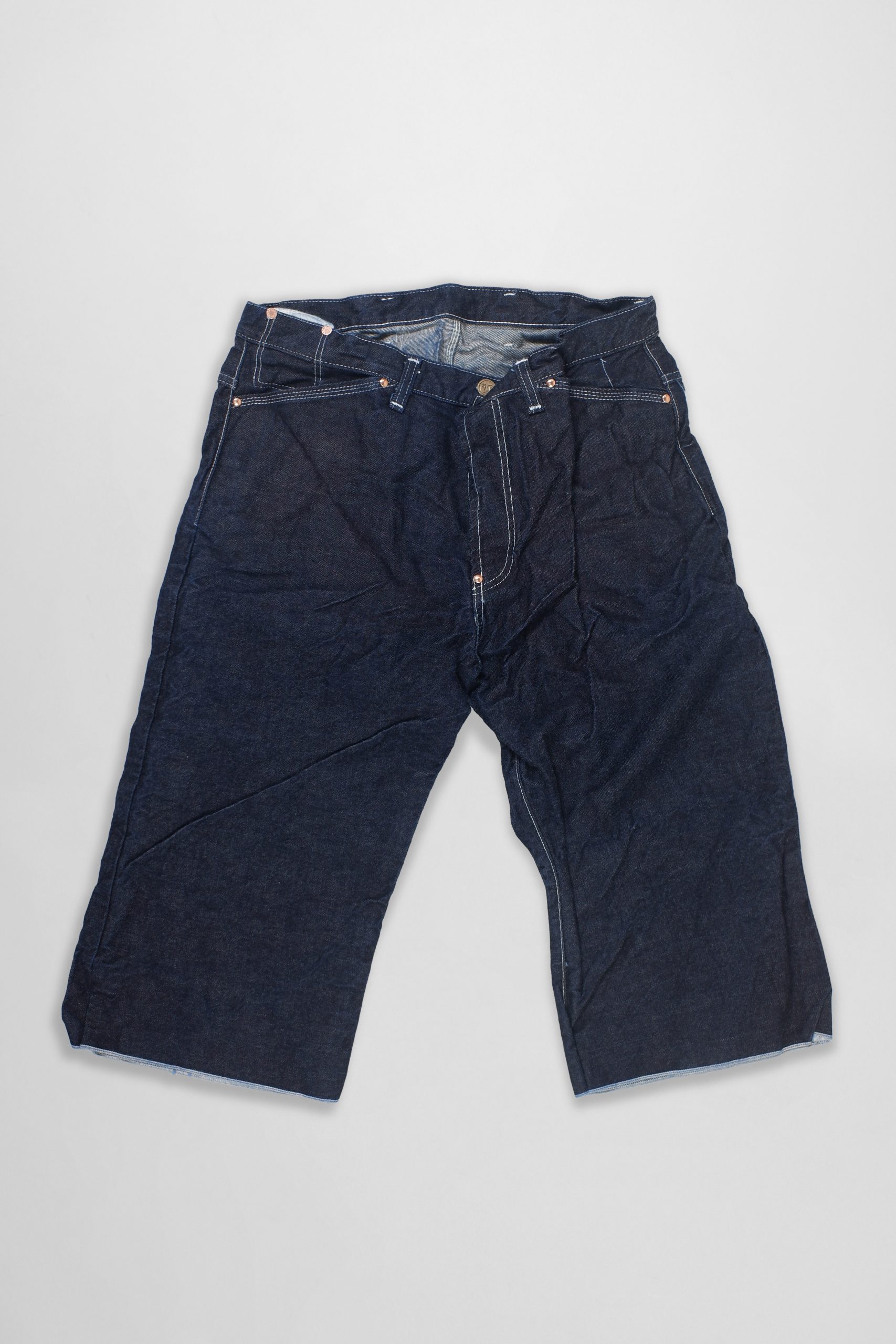
These shorts are cut on the Type 132 Wide Jeans pattern, but, following the season's experiments with cross cutting, the pattern is laid sideways across the denim fabric.
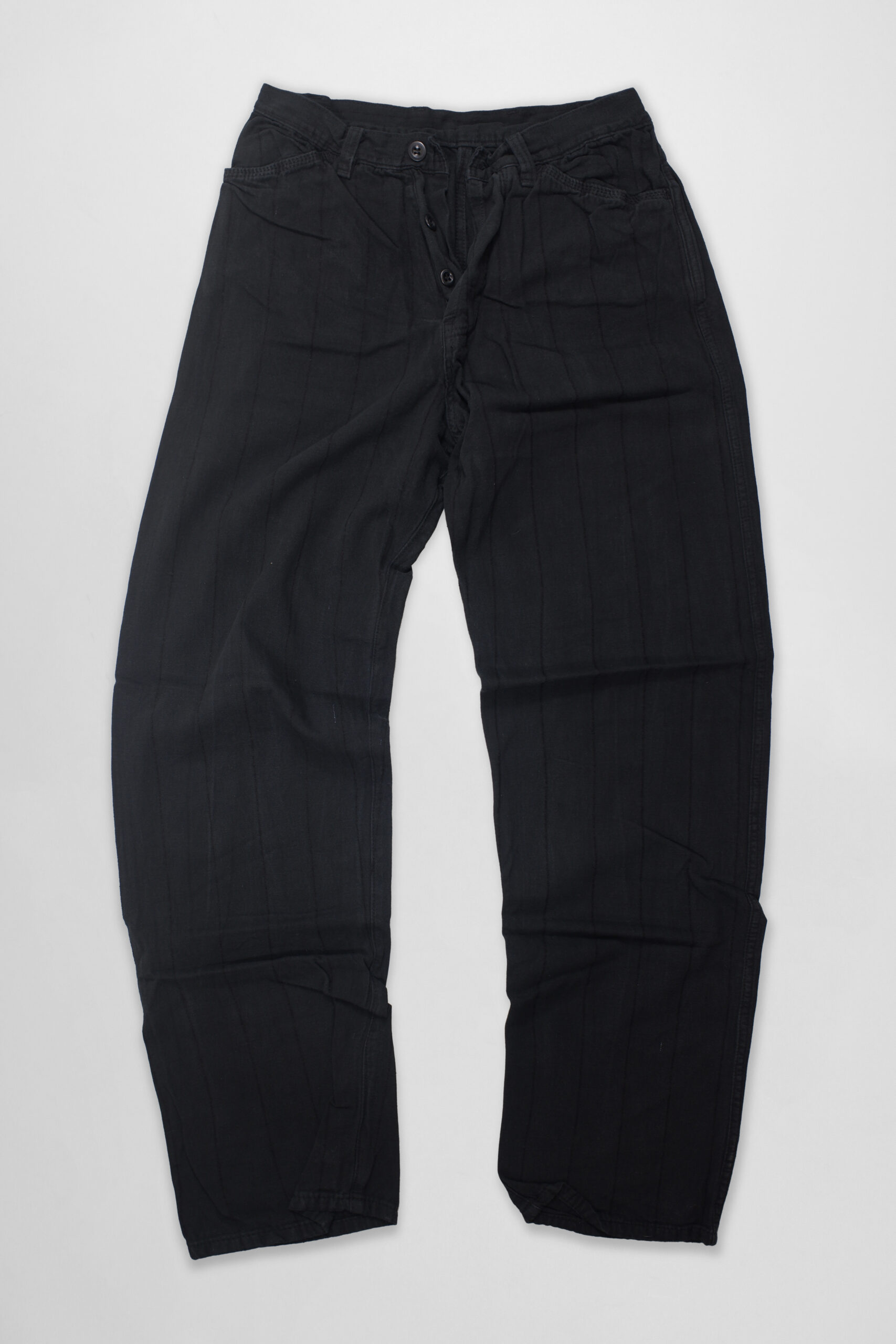
Based on the 132 jeans pattern, 122 jeans do not have back pockets or a back yoke- the seat is shaped by two 'English' pleats, facing towards the middle.
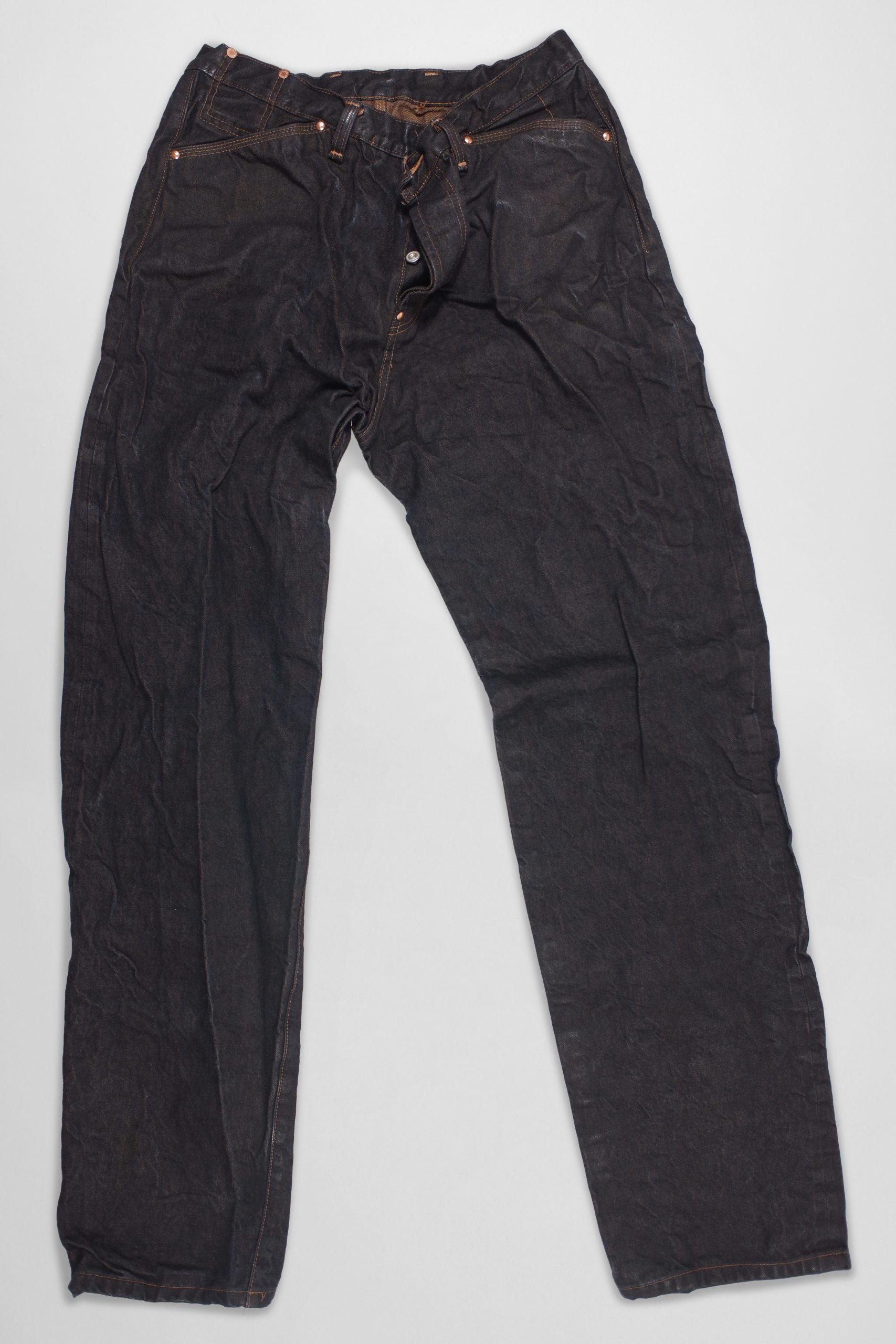
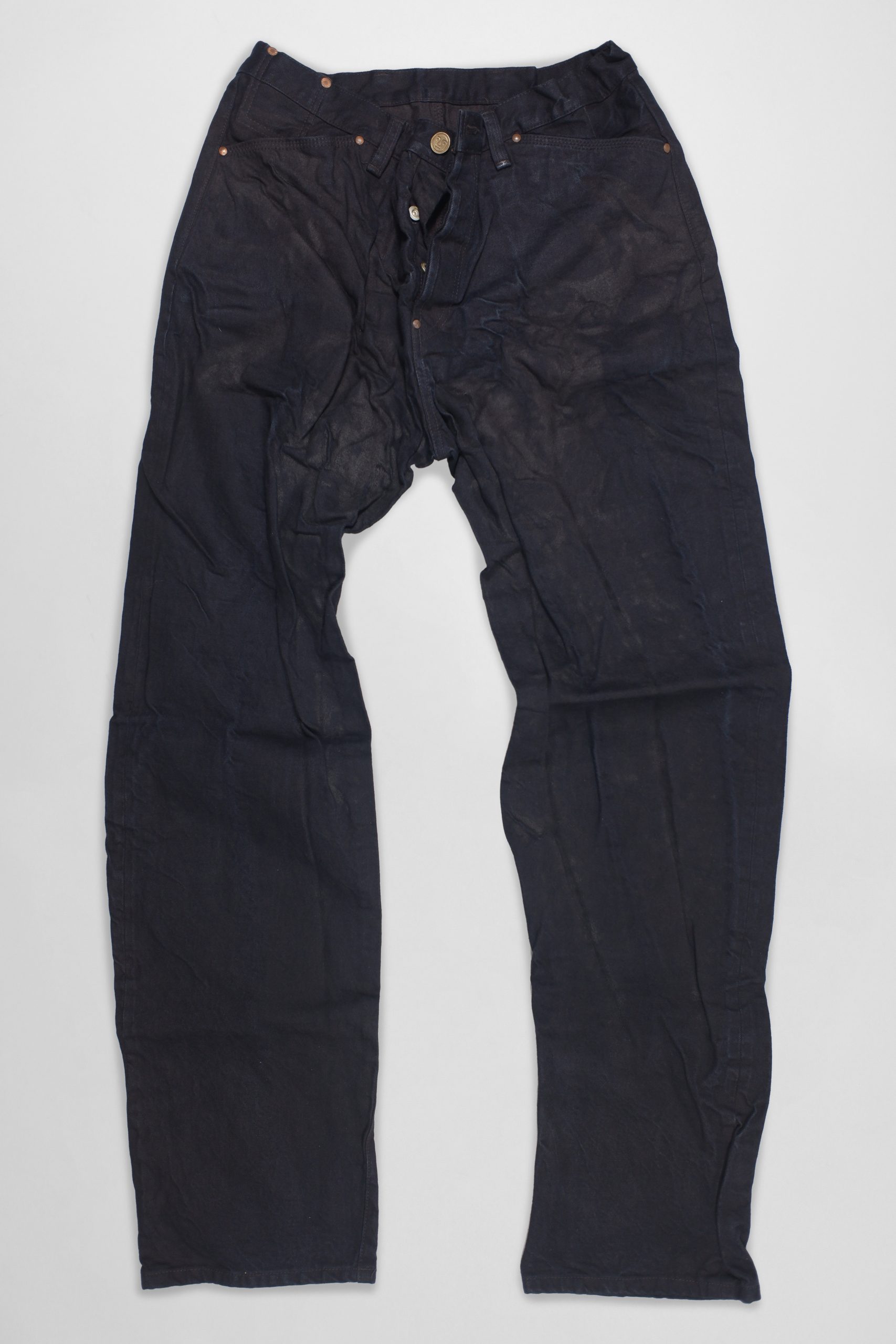

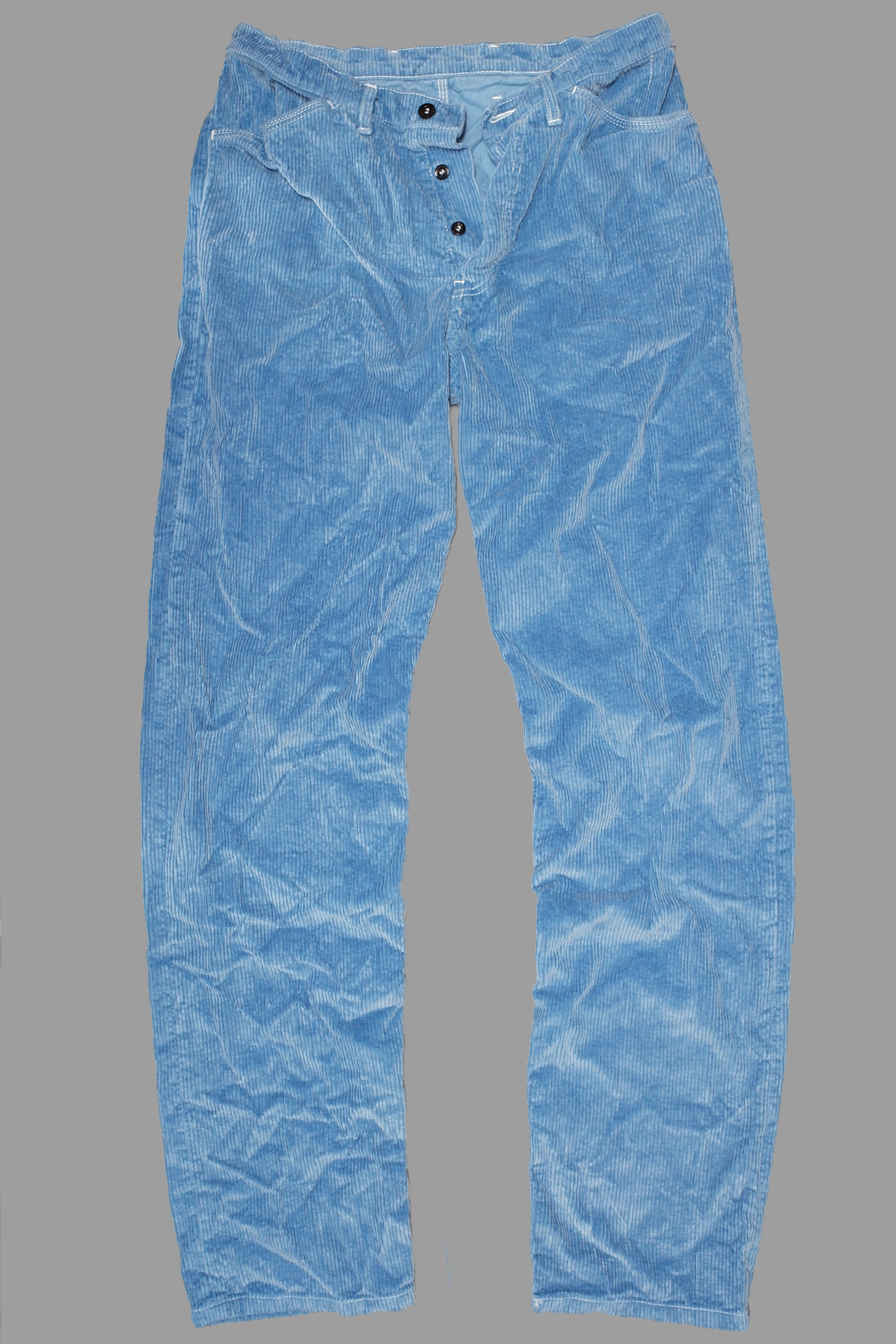
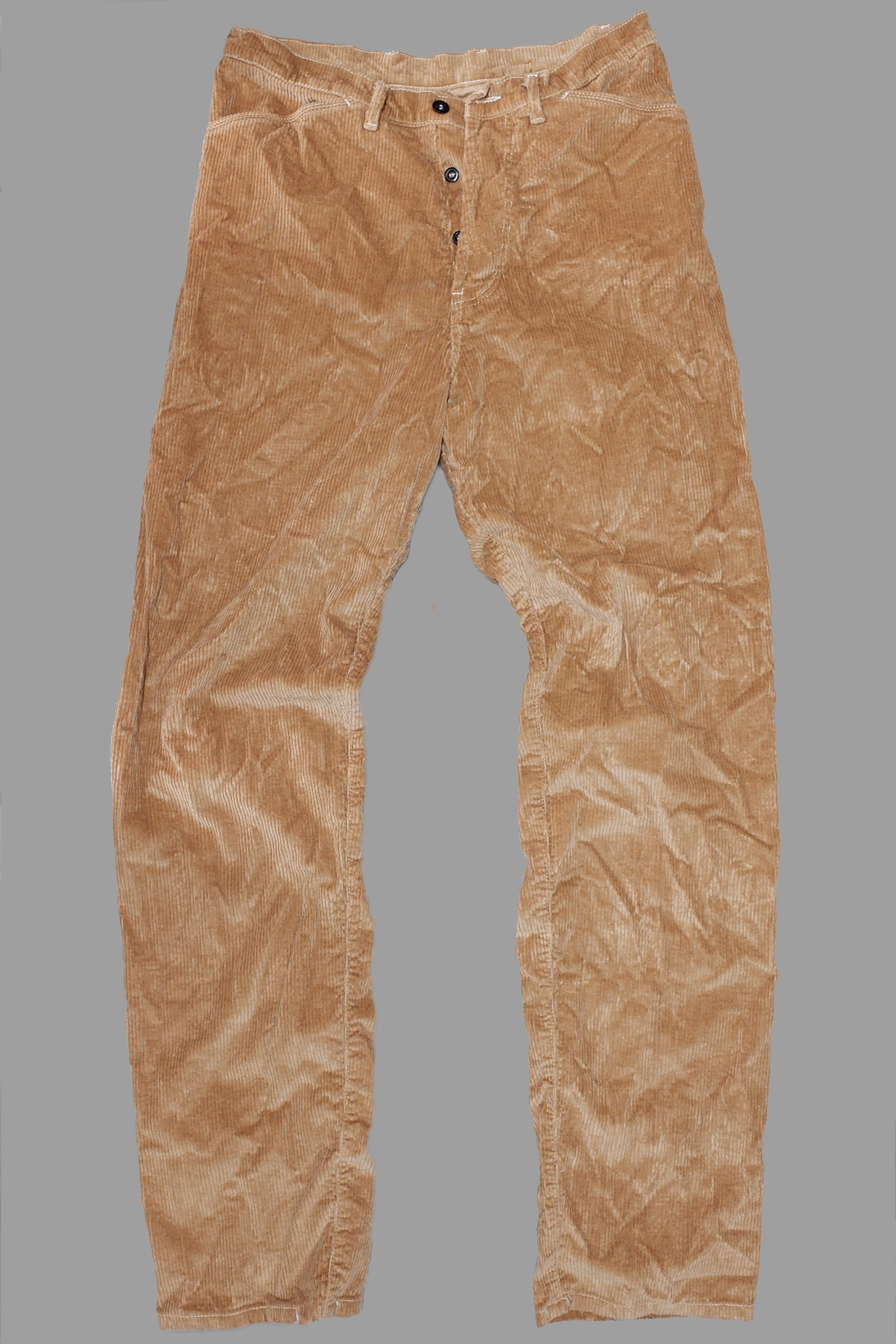
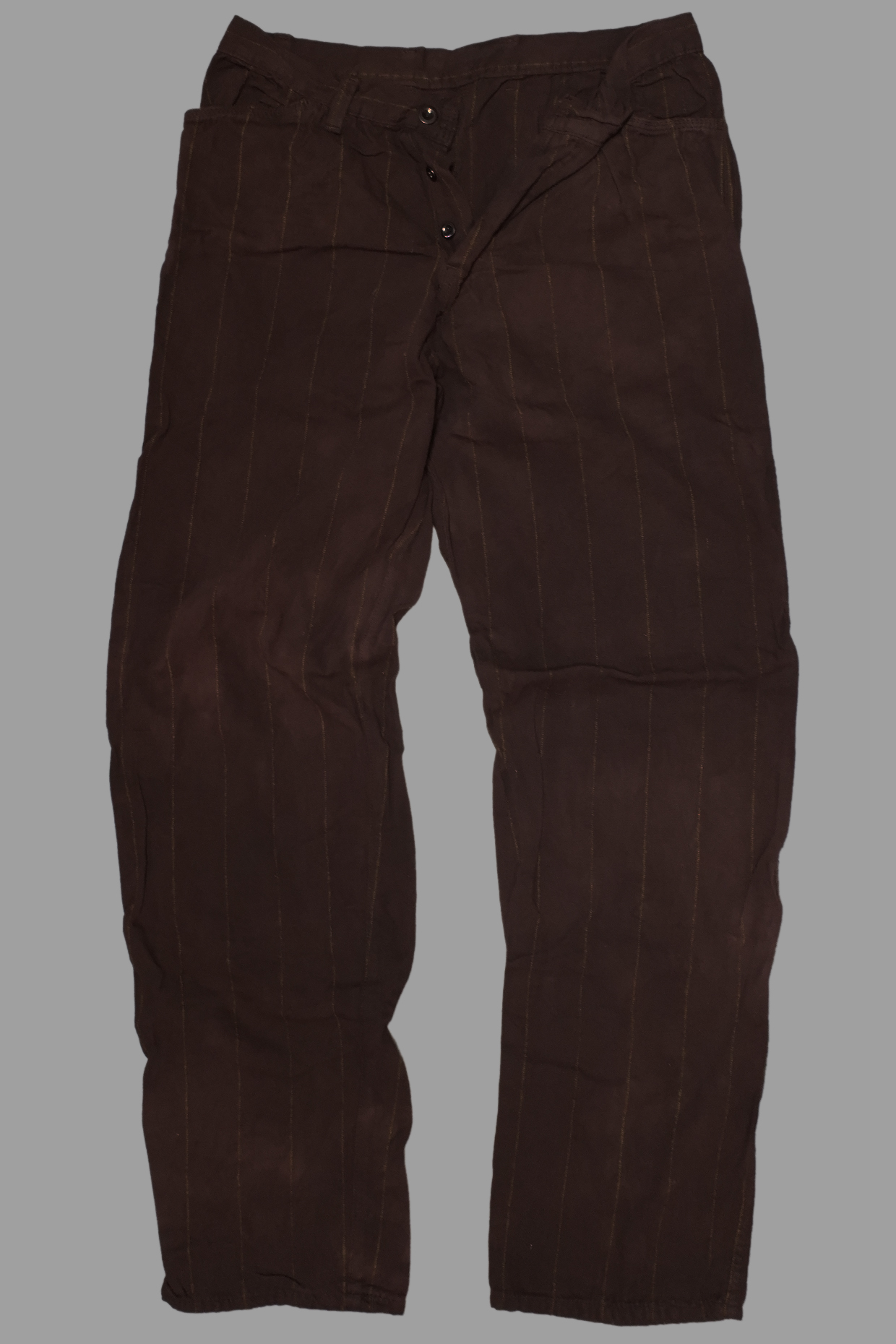

Wader jeans have a very high waist, a generous seat, and an easy, wide leg.
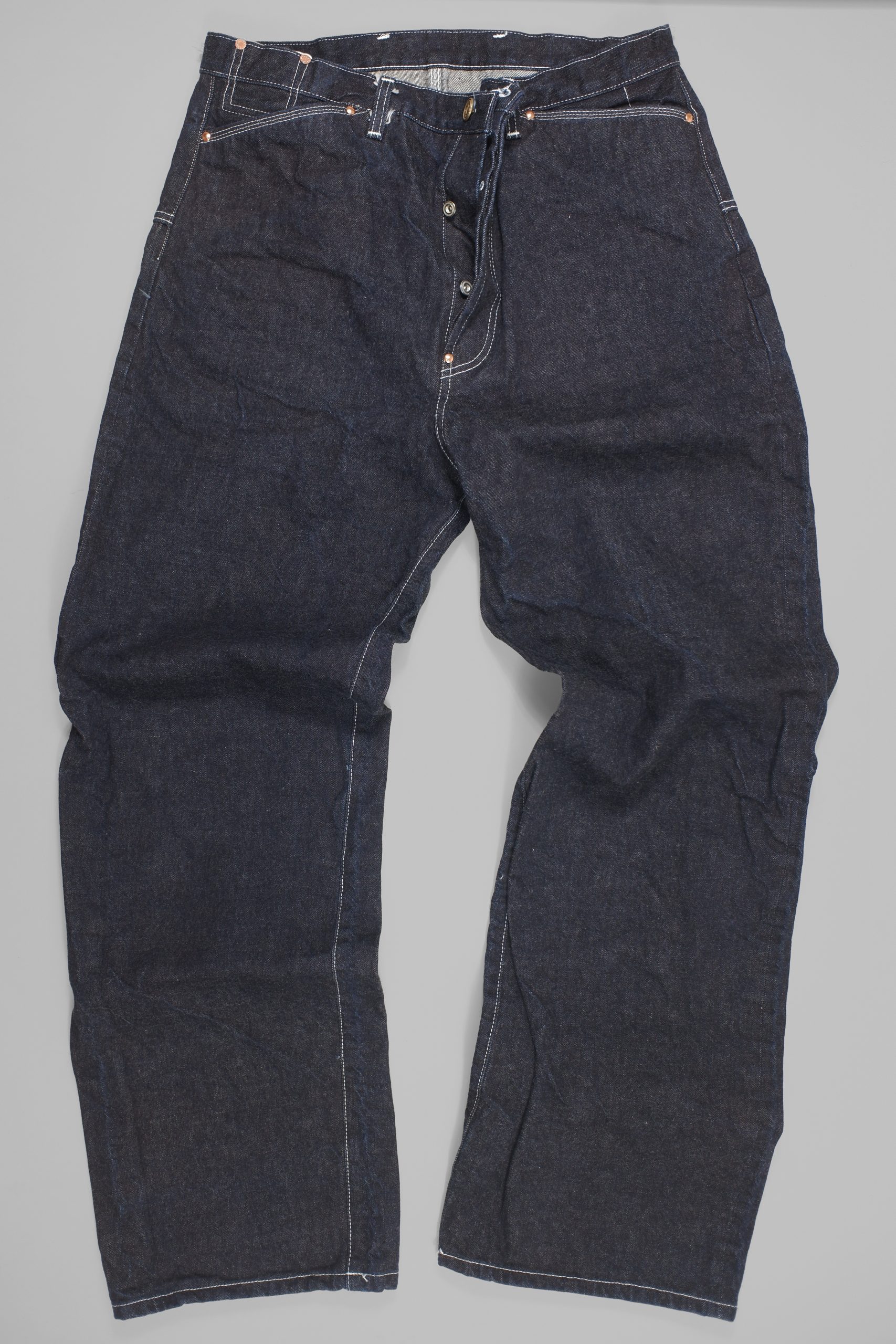
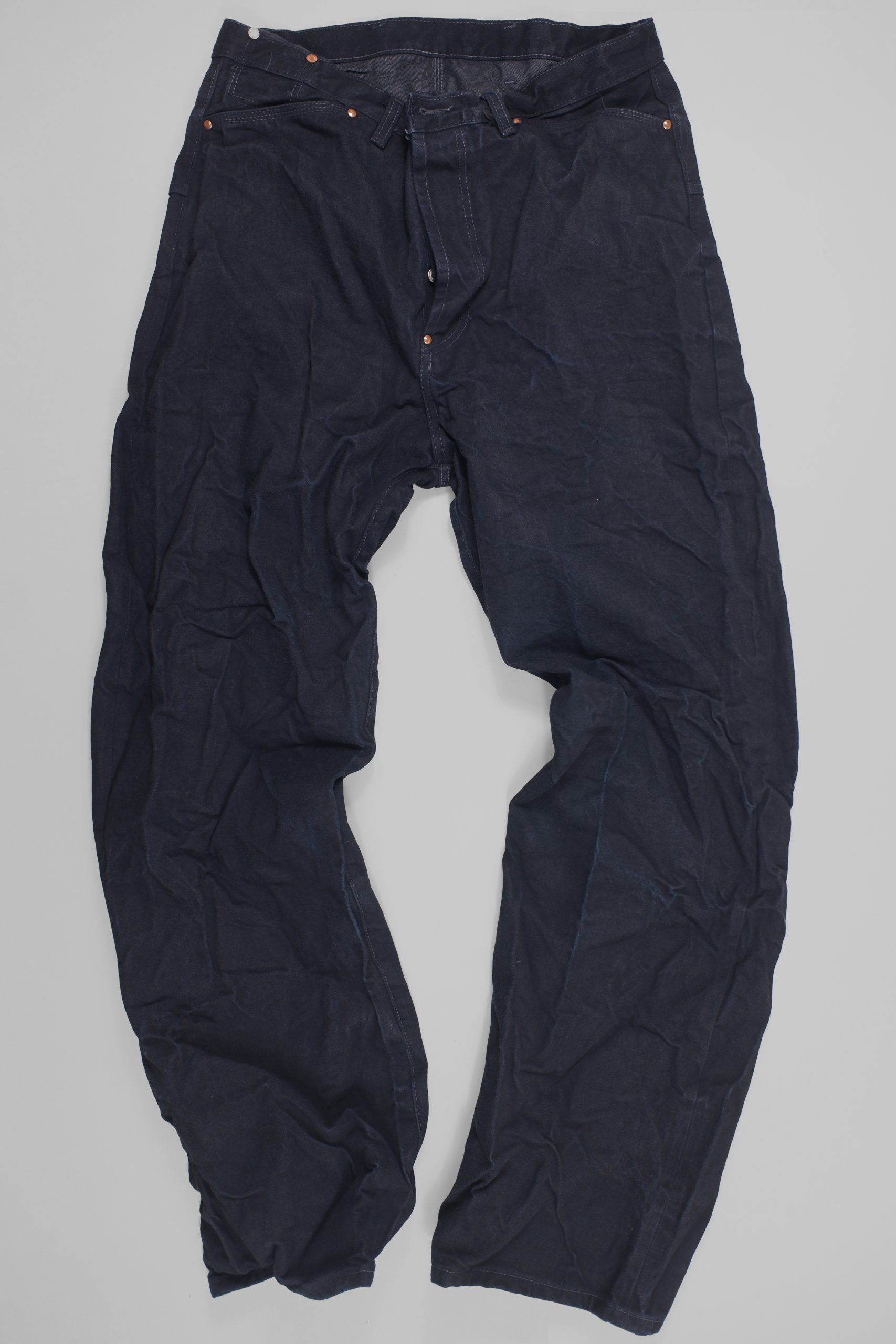

Straight leg jeans with an extra high rise and a generous seat and thigh.

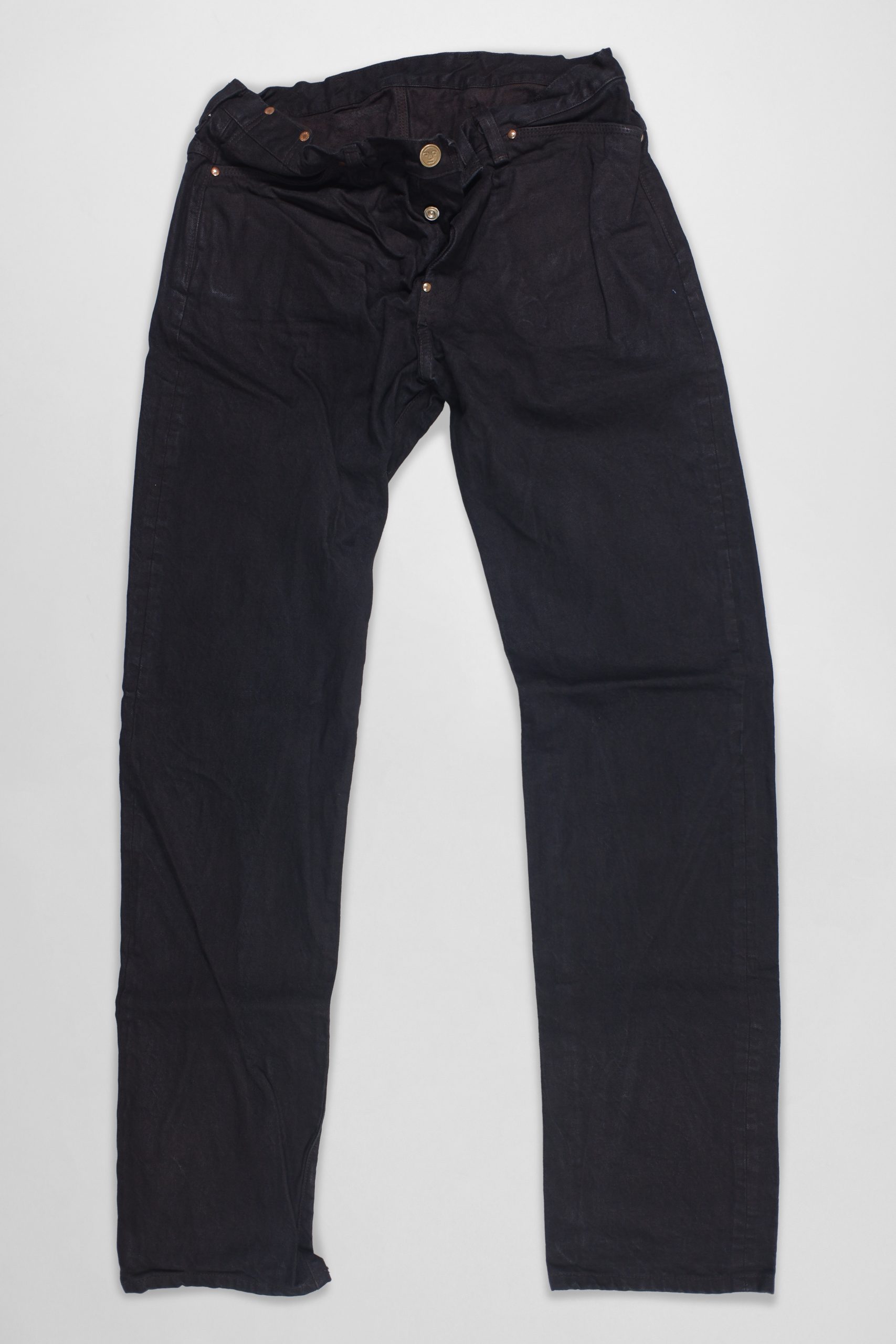
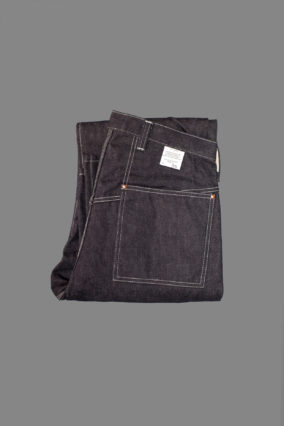


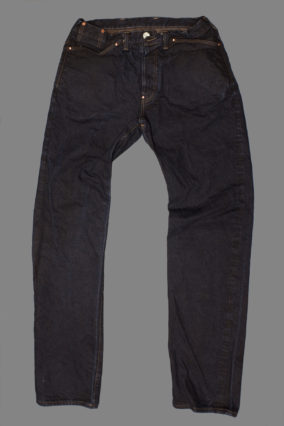

Slim tapered jeans with a mid-height rise, slim seat and thigh, tapered from the knee.

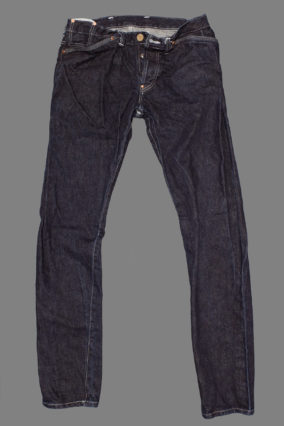
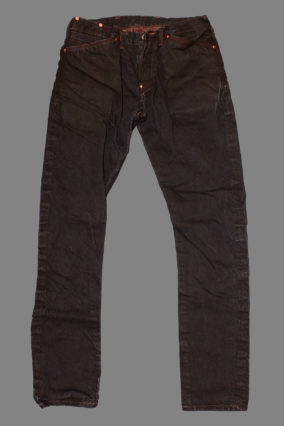
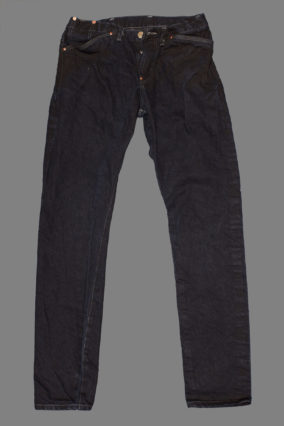


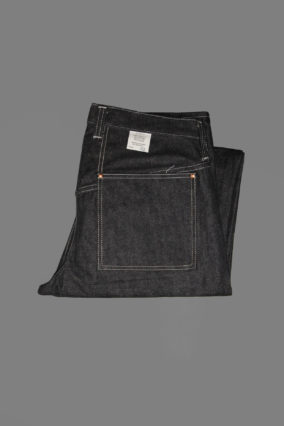
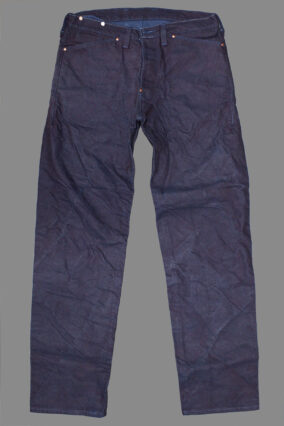
Straight Jeans are a distillation of what a pair of Tender jeans should be. There is no yoke and no shaping in the side seams- the outside seam is a straight selvage line all the way up to the waistband.
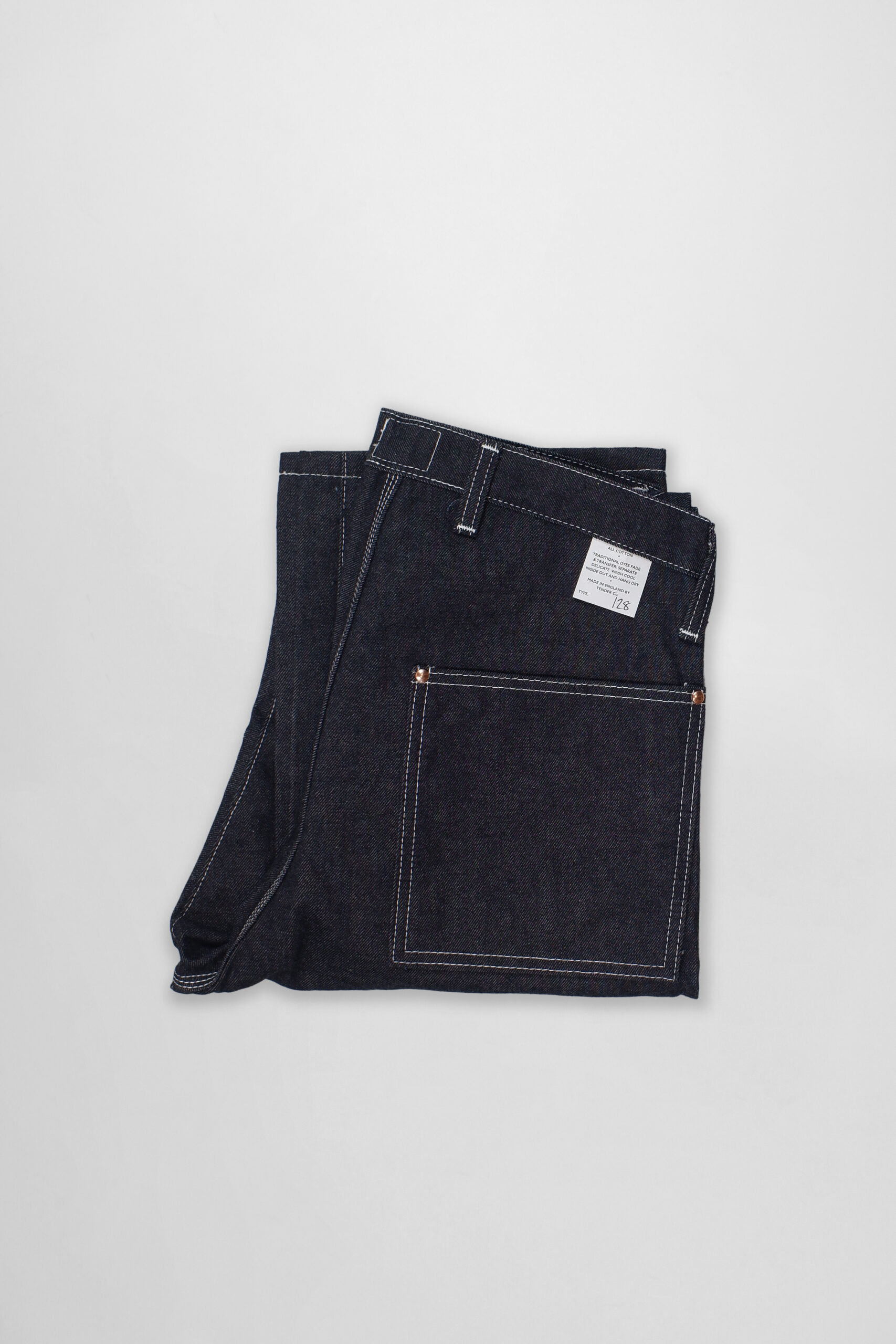
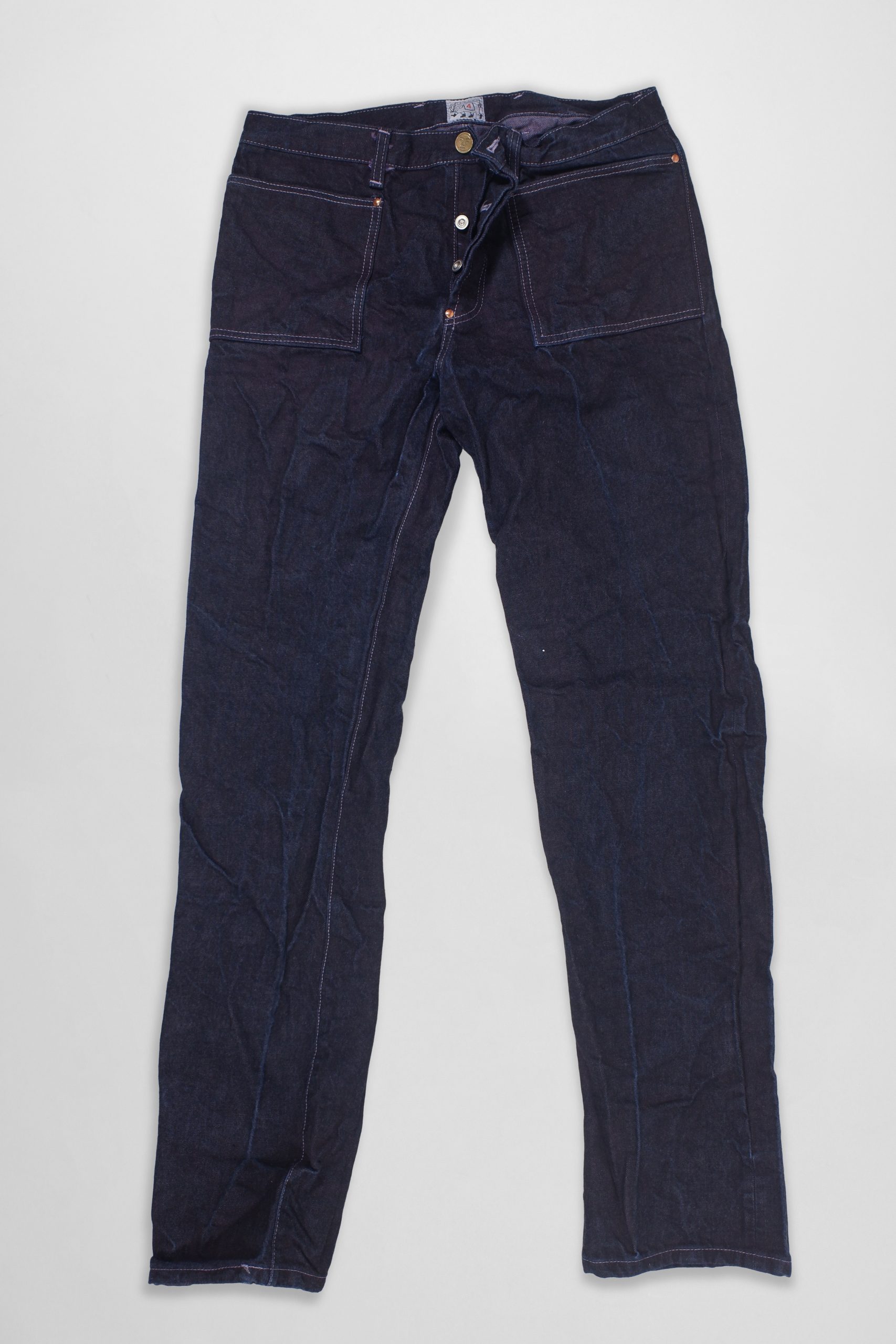
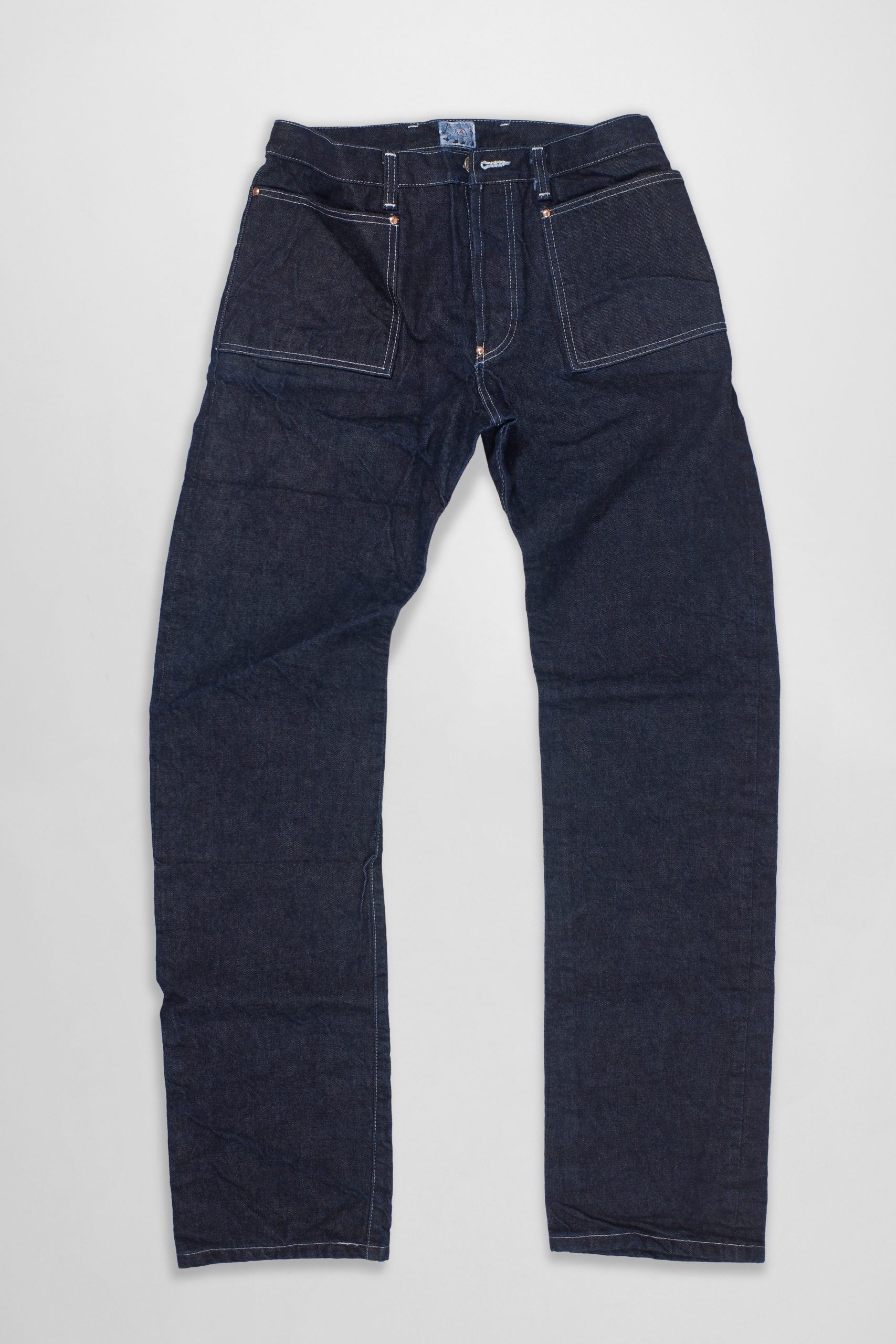
Slim jeans with a high rise, slim seat and gently tapered leg.

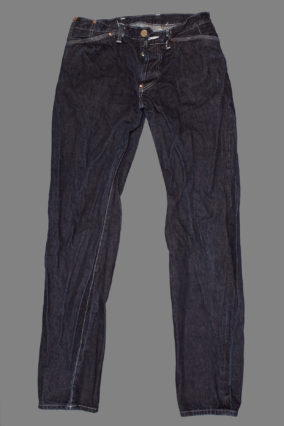

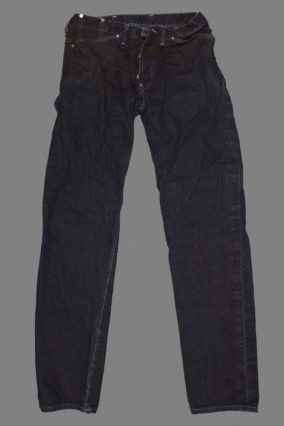


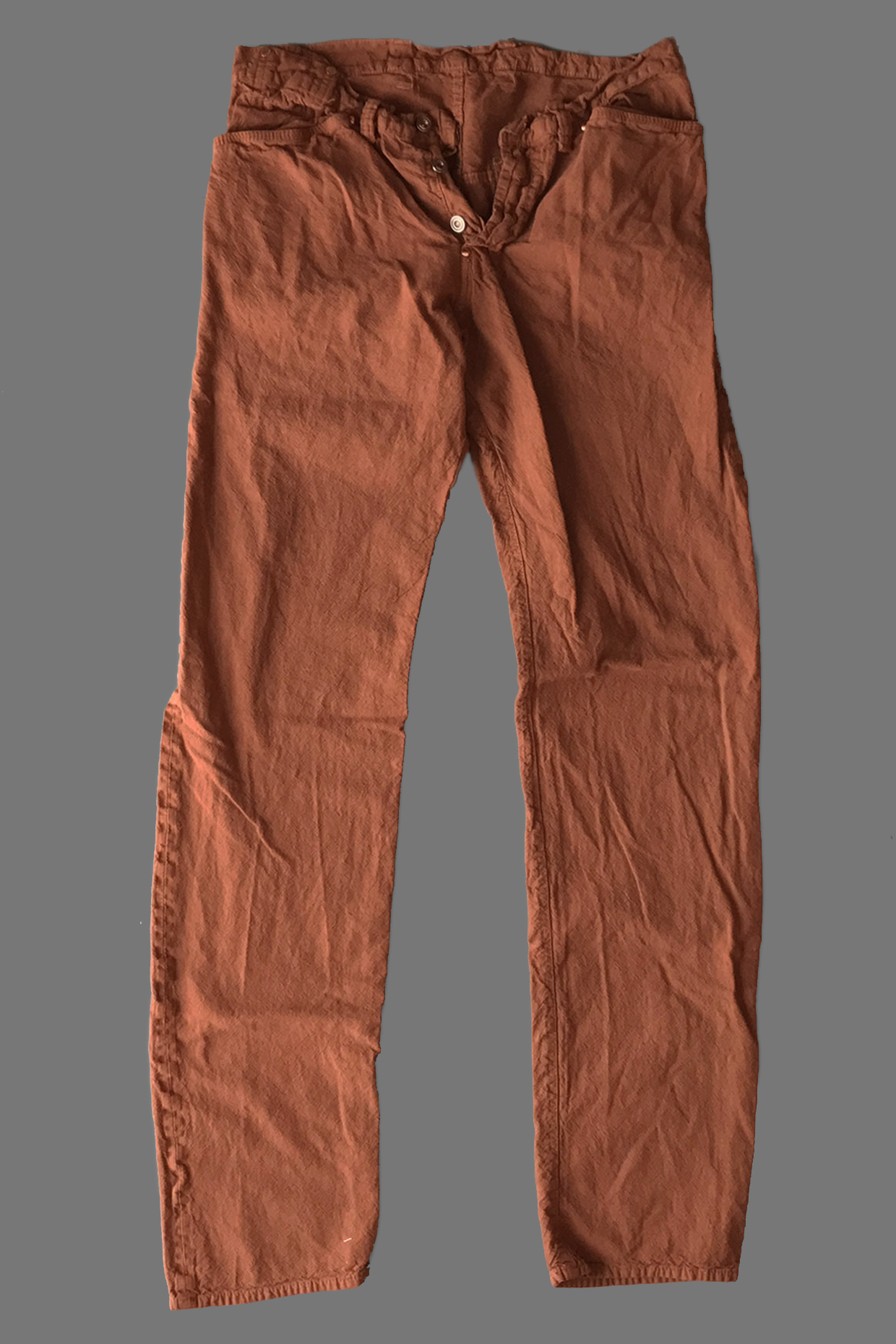
High waist jeans with a generous seat and thigh, and a tapered leg.

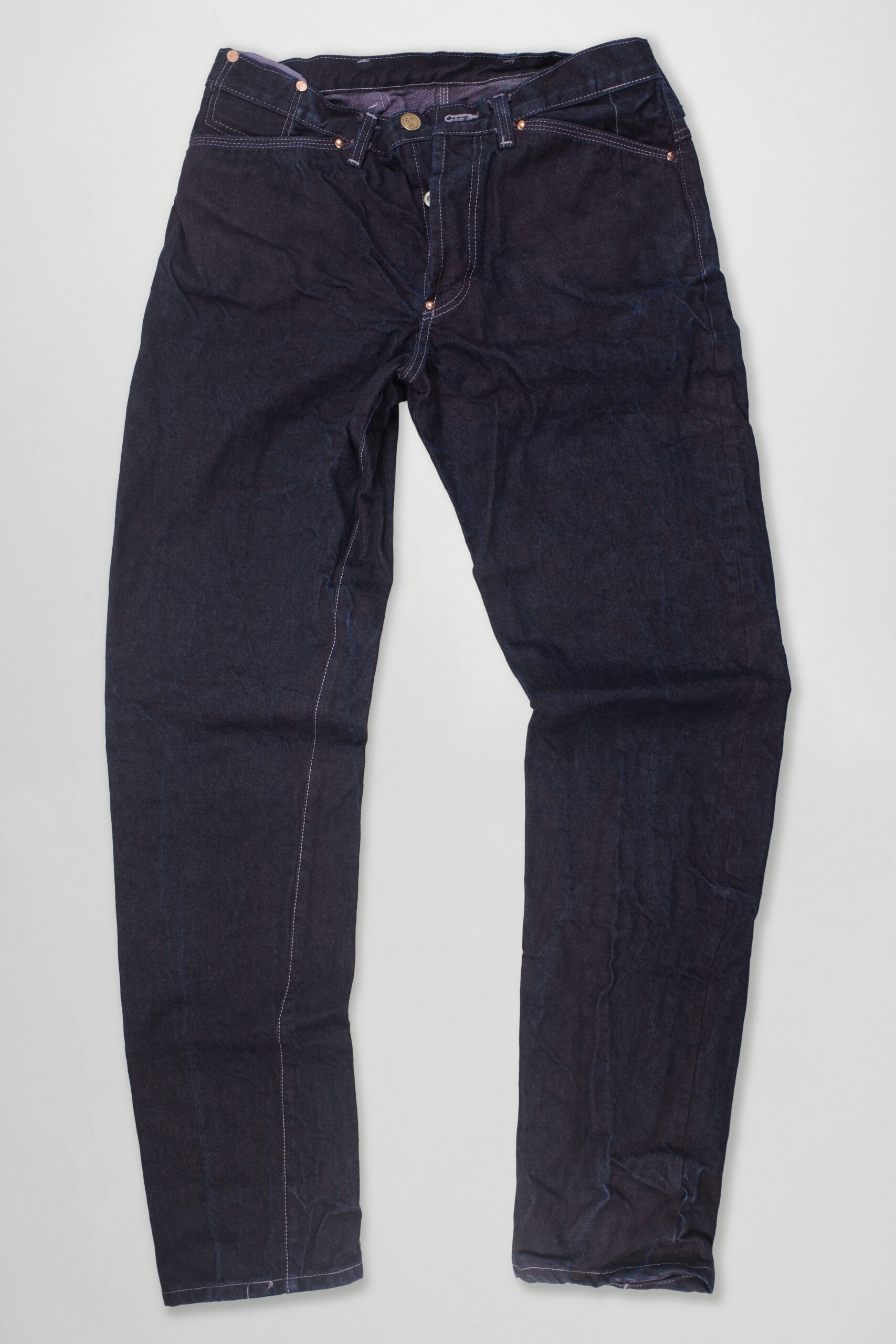





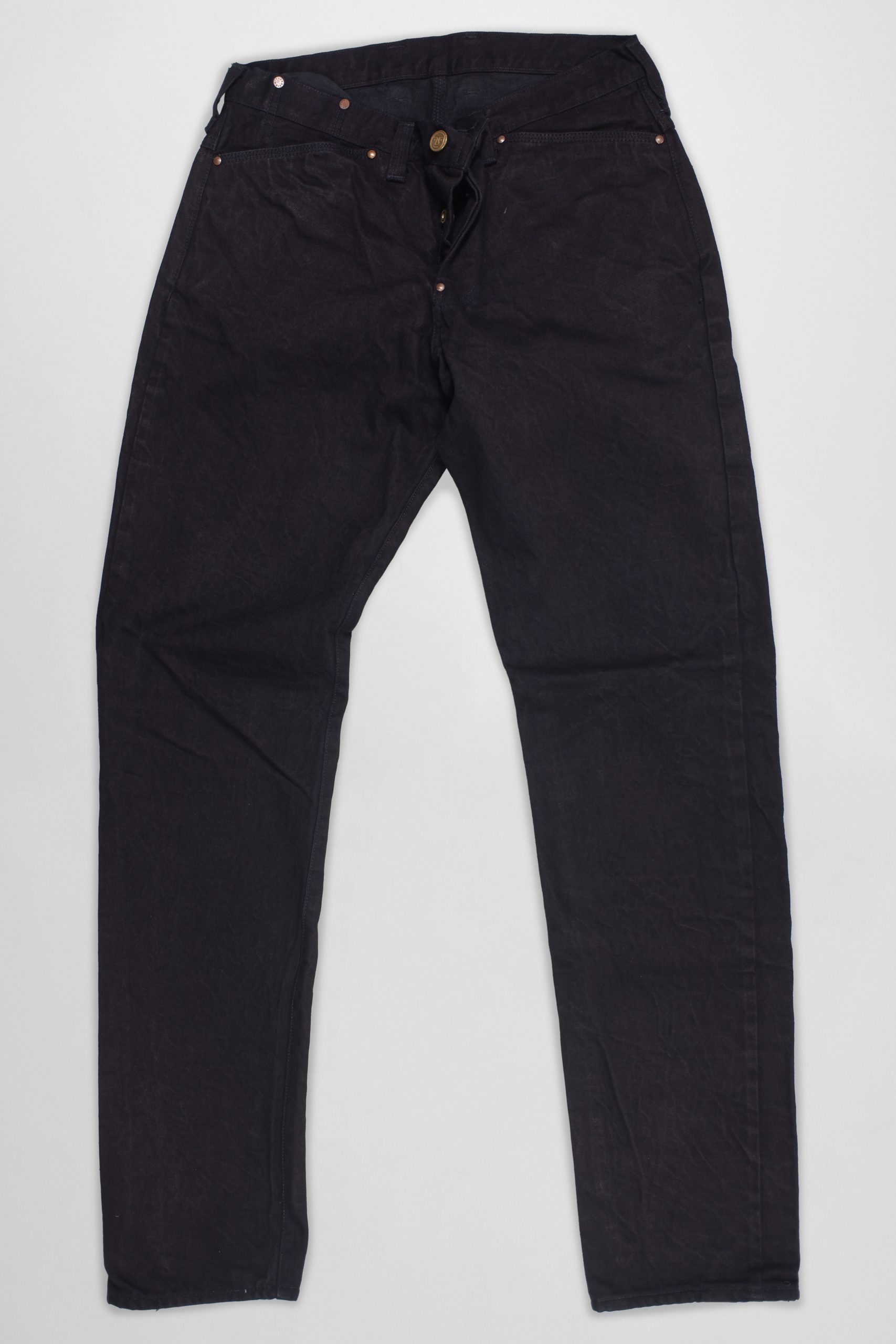
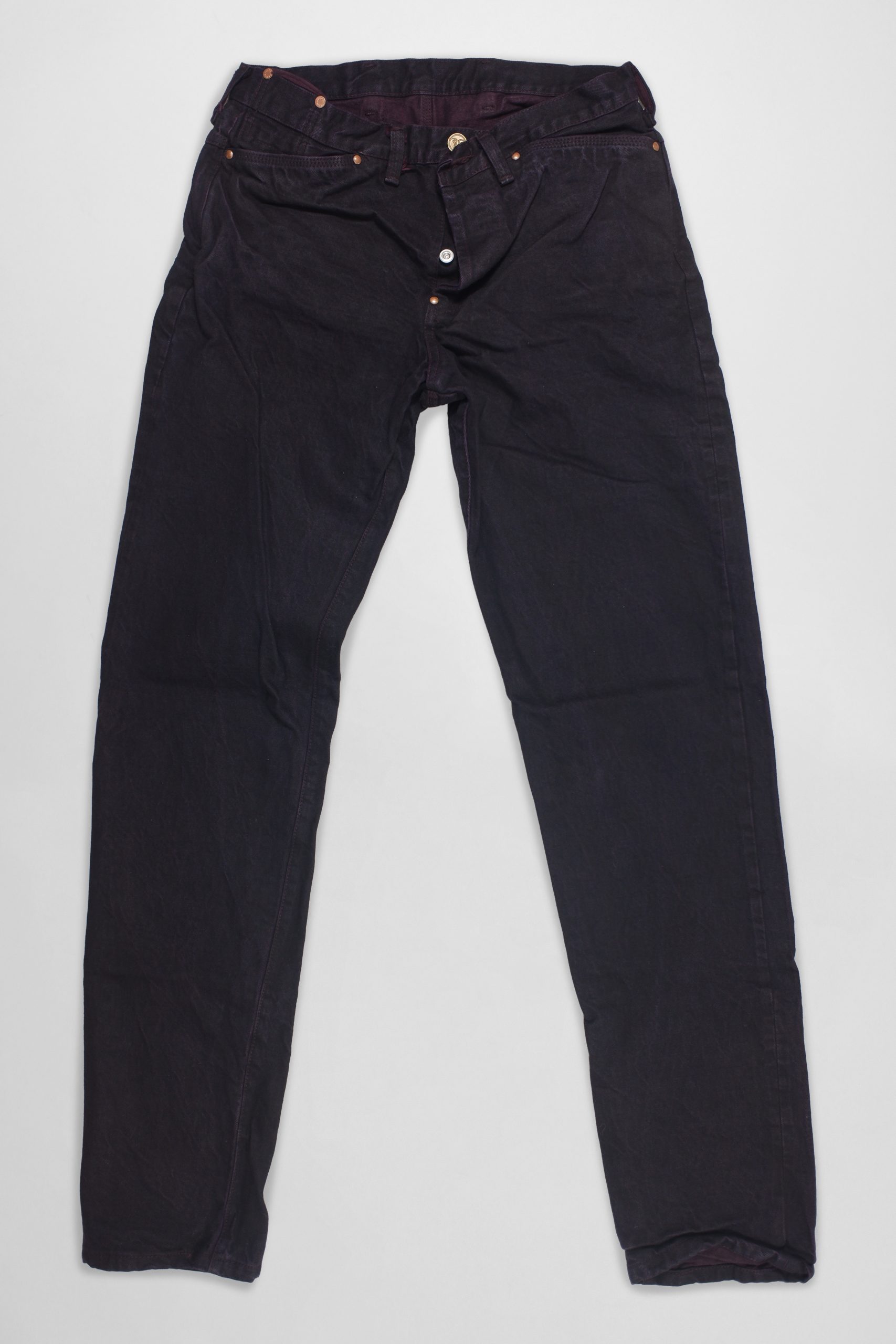
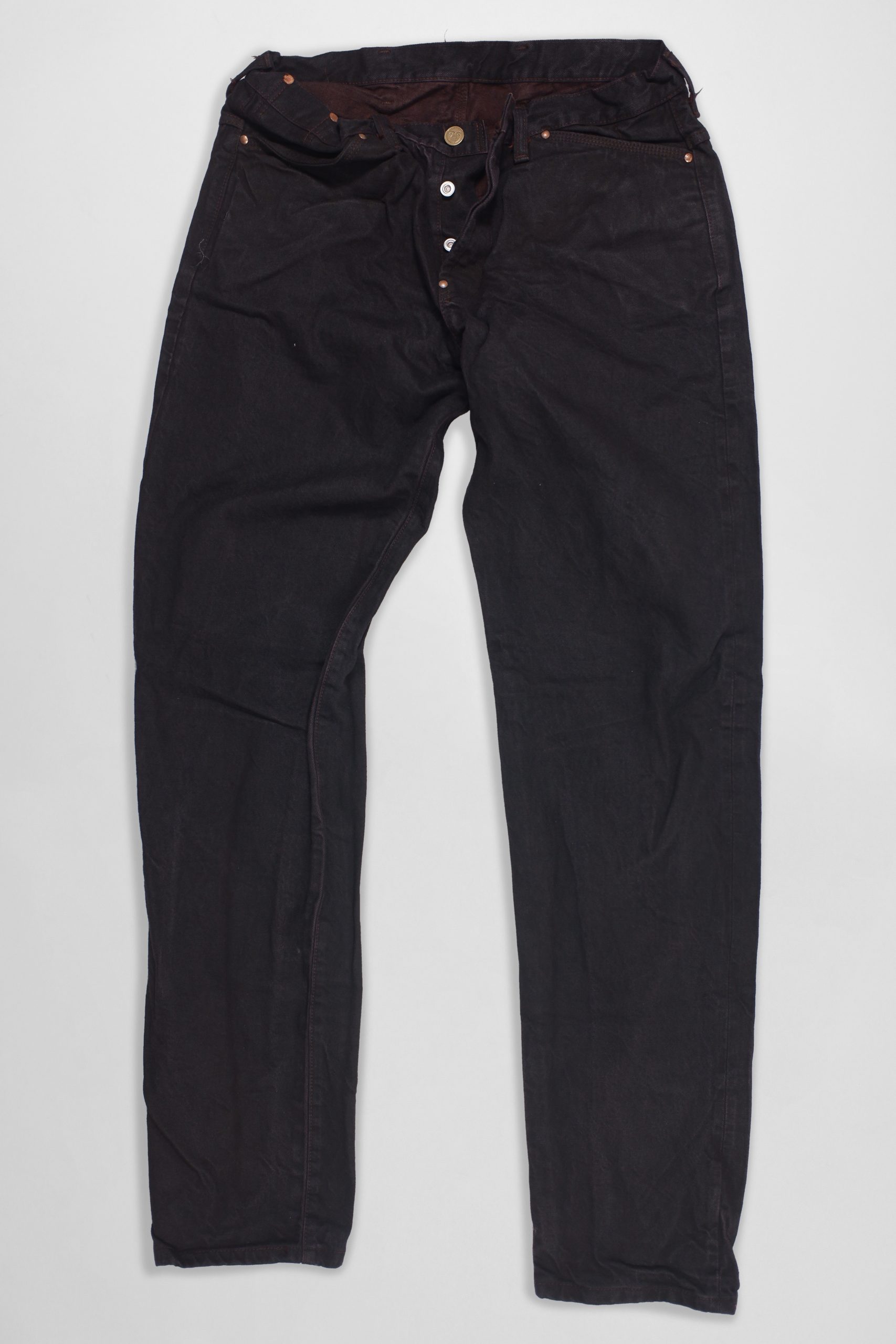


High waist jeans with a generous seat and thigh, a tapered leg, and front thigh passenger pockets.


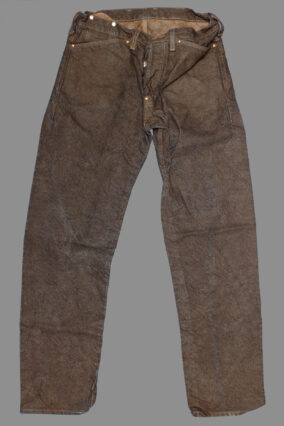
Recut 'Lost' jeans from 2011. 130s with a slightly straighter lower leg, but not quite the full straight wide leg of 132s.
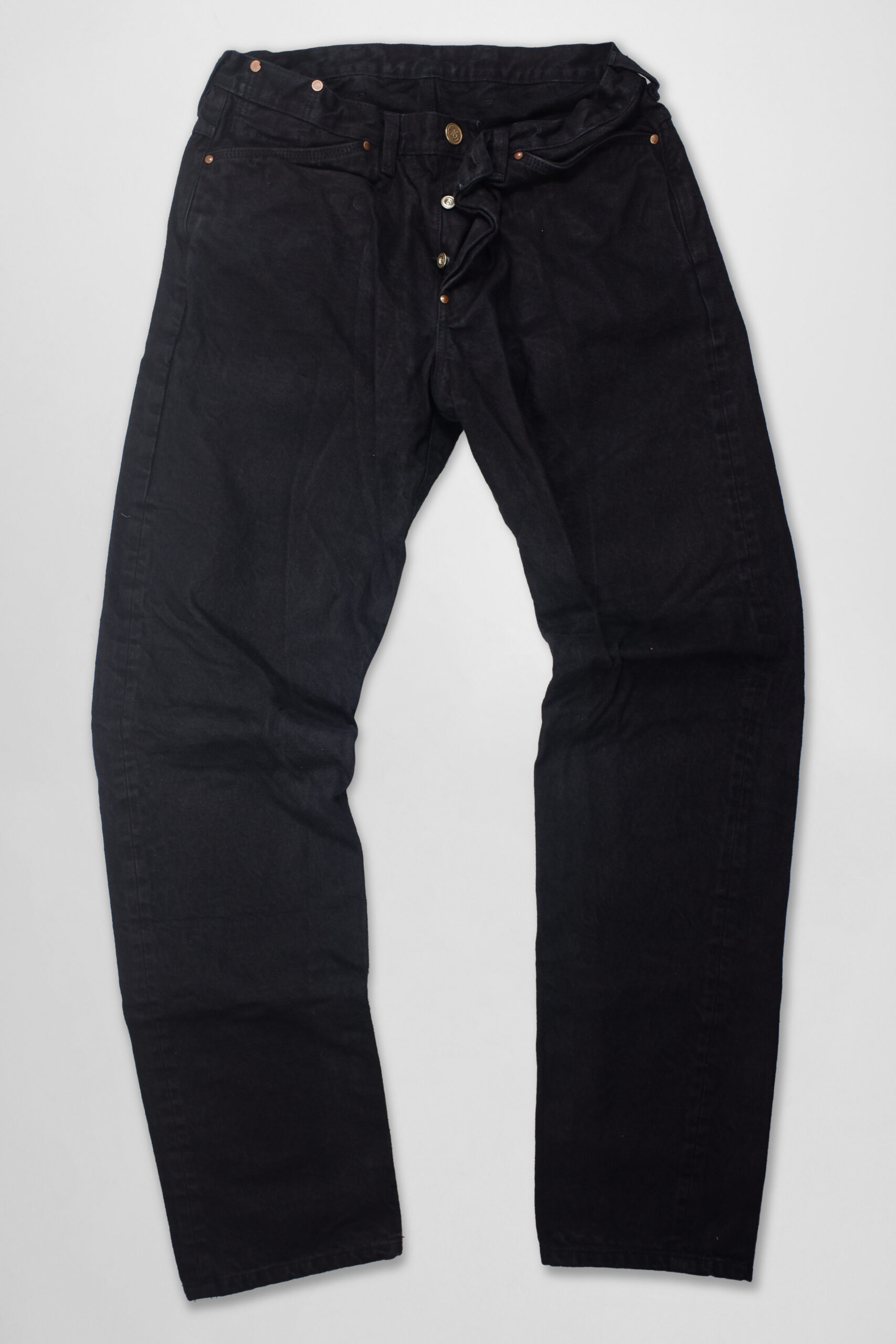
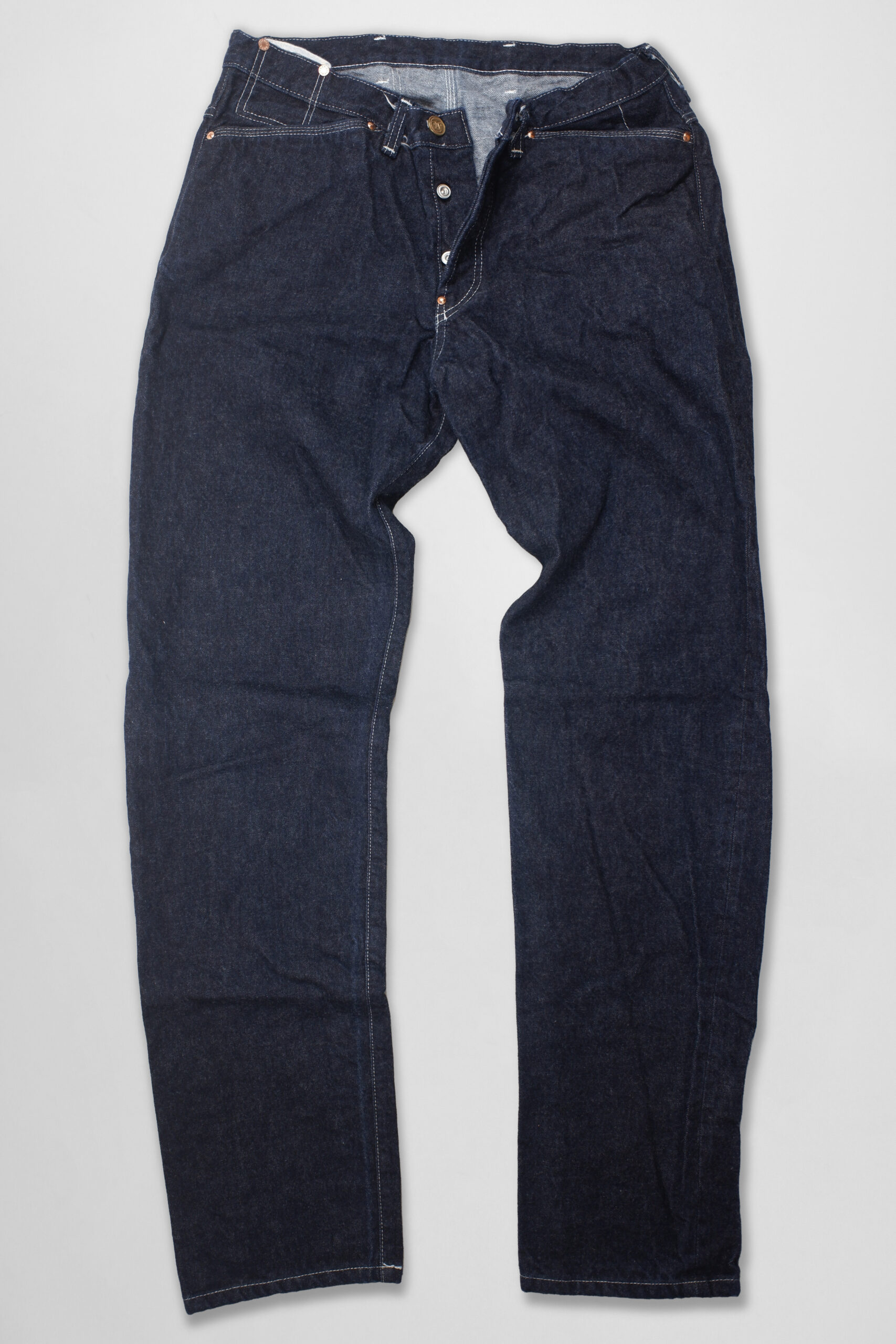
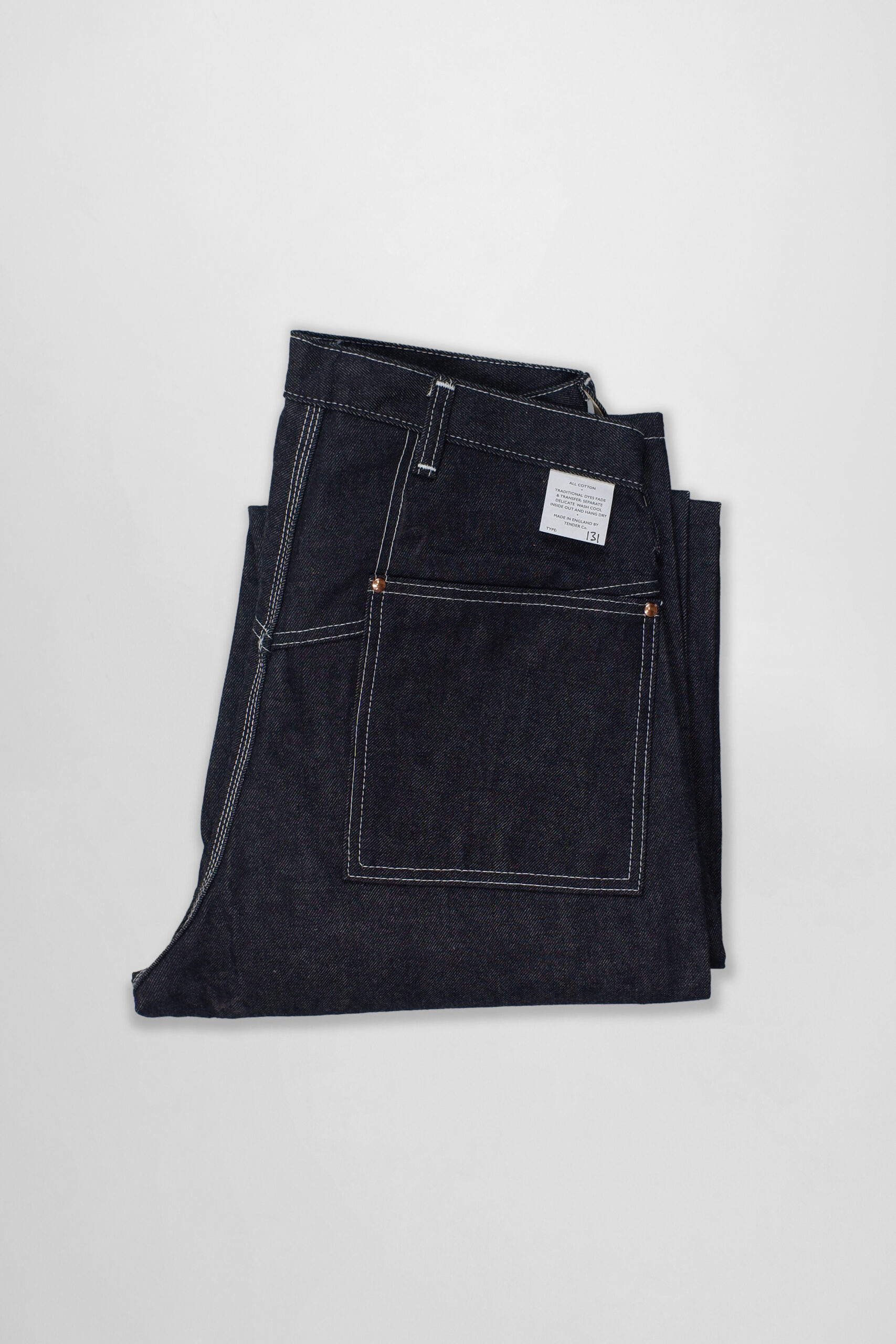

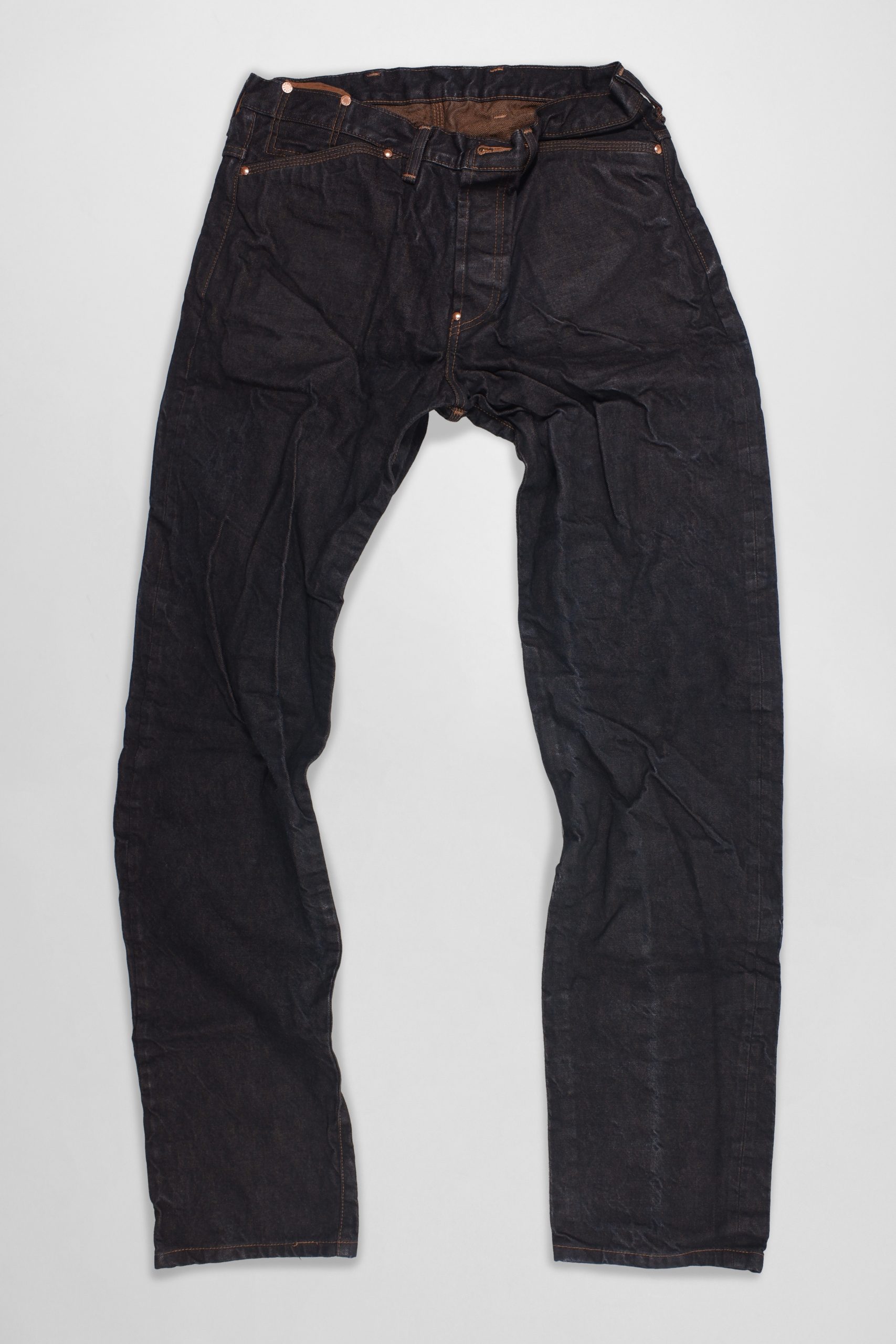
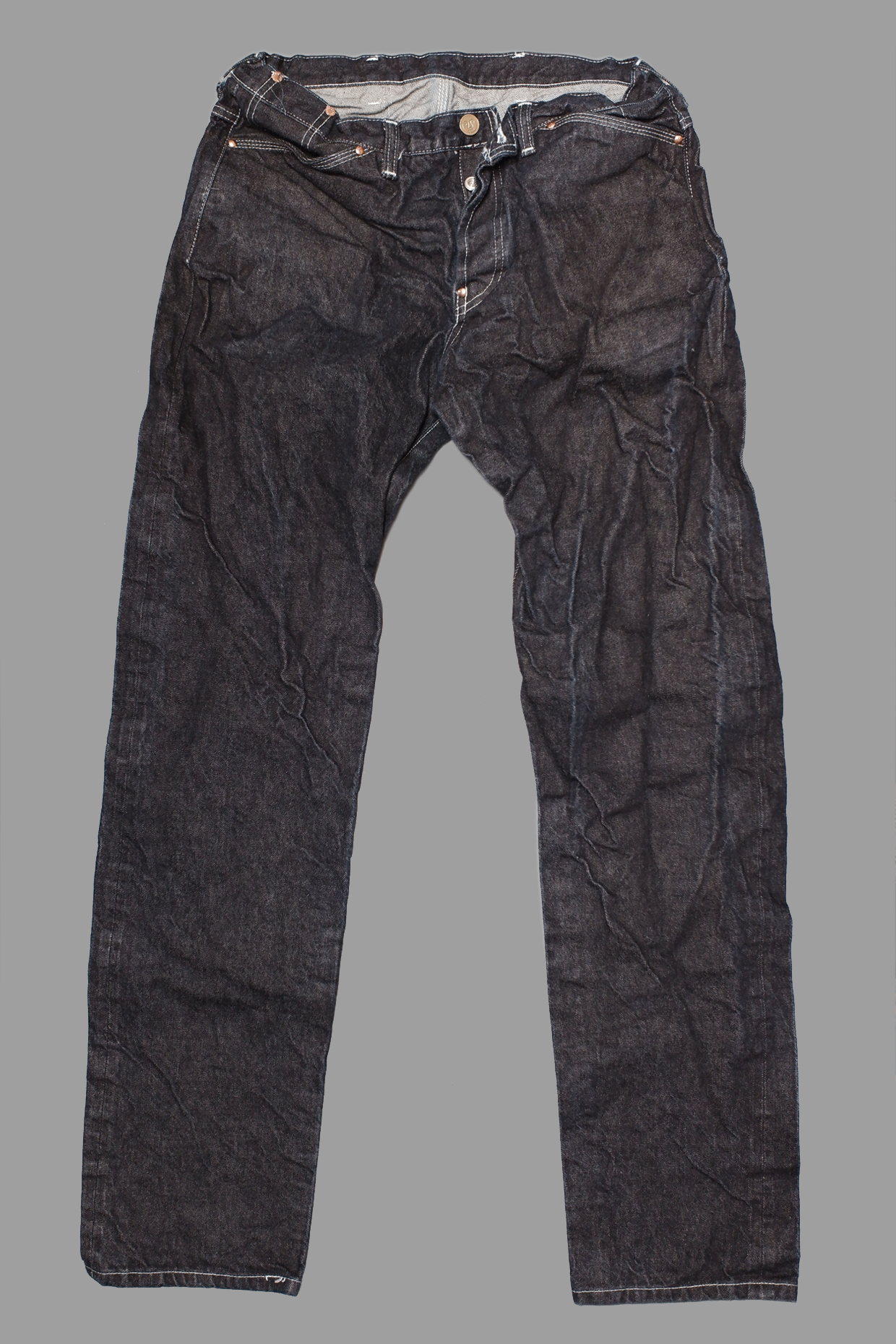
High waist jeans with a generous seat and thigh, and a roomy straight leg.