X

Welcome to the Tender Stores. Orders are charged in US$ and are dispatched from Pennsylvania USA.
Please contact us with any questions.
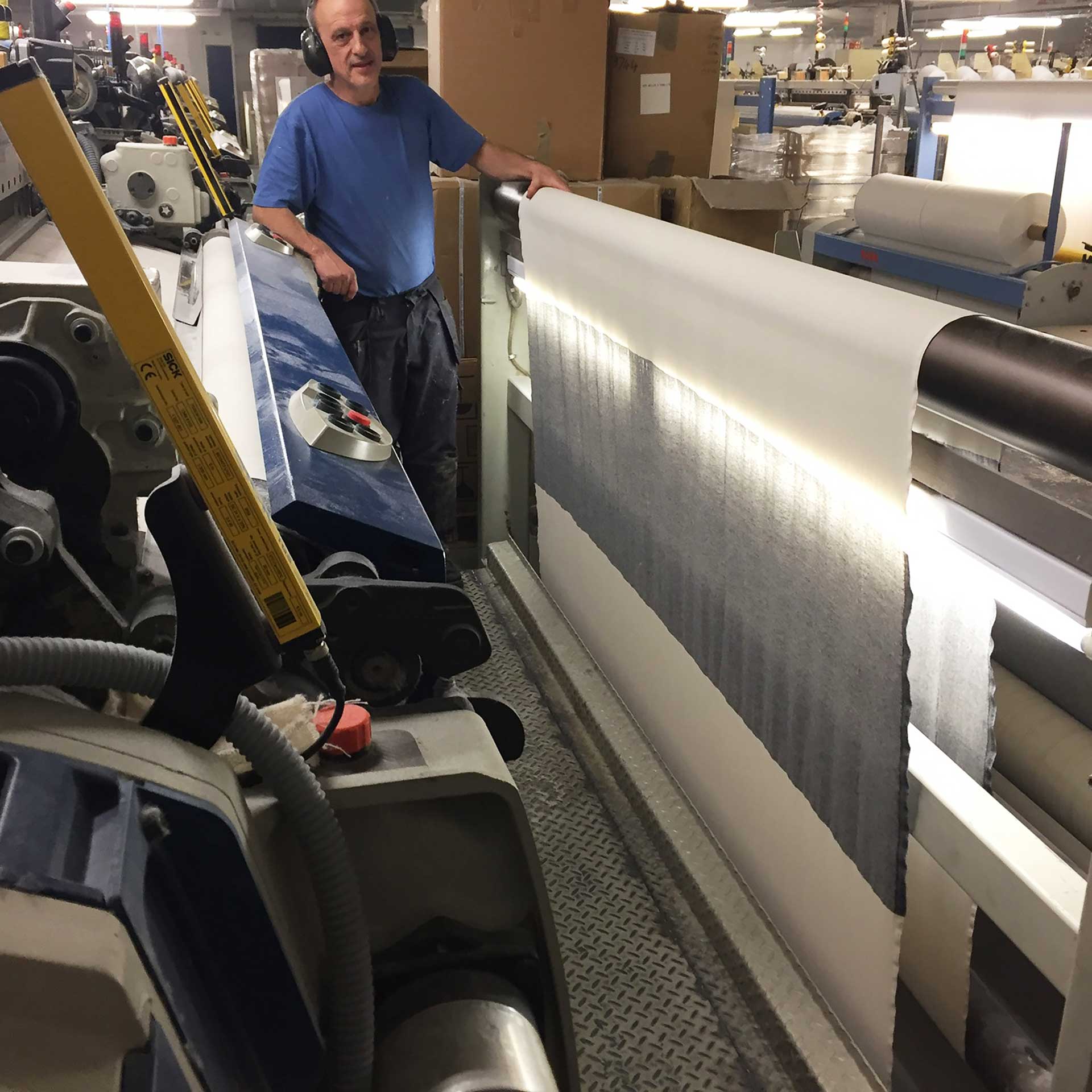
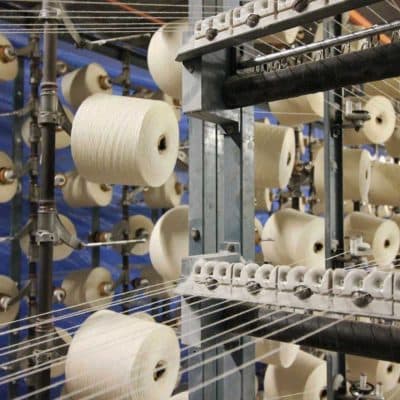
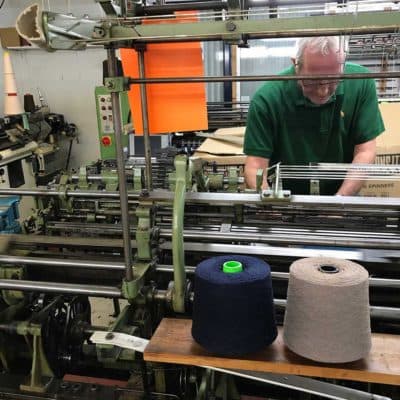
Apart from Japanese selvage denim, fabrics are woven in the UK and USA, and are either custom-woven to original designs or adopted from industrial applications.
All the fibres used are natural cotton, wool, or bast (from flax and similar plant stems), and fabrics are generally cut raw, or loom-state. This means that the cloths are not preshrunk or given standard finishing processes after weaving. The clothes have to be made up large, and are shrunk to their final size either with a rinse, or during garment dyeing. Shrinking the fabric on the garment, rather than as a flat textile, gives the clothes life and three dimensional character which is not achieved with a finished cloth. ‘Unborn’ clothes are sold in their original oversized form, before being washed- they will shrink to size and come to life with their first laundering or soak.
Many of the fabrics are cross-woven, meaning that the design is introduced into the weft (cross) yarn, rather than putting it into the warp (length). This is a more labour intensive weaving process, but allows for greater flexibility in design, as very short lengths of different patterns can be woven onto the same warp, and it generates unusual twill patterns which would not be produced with a normally woven cloth.
Based on the 132 jeans pattern, 122 jeans do not have back pockets or a back yoke- the seat is shaped by two 'English' pleats, facing towards the middle.
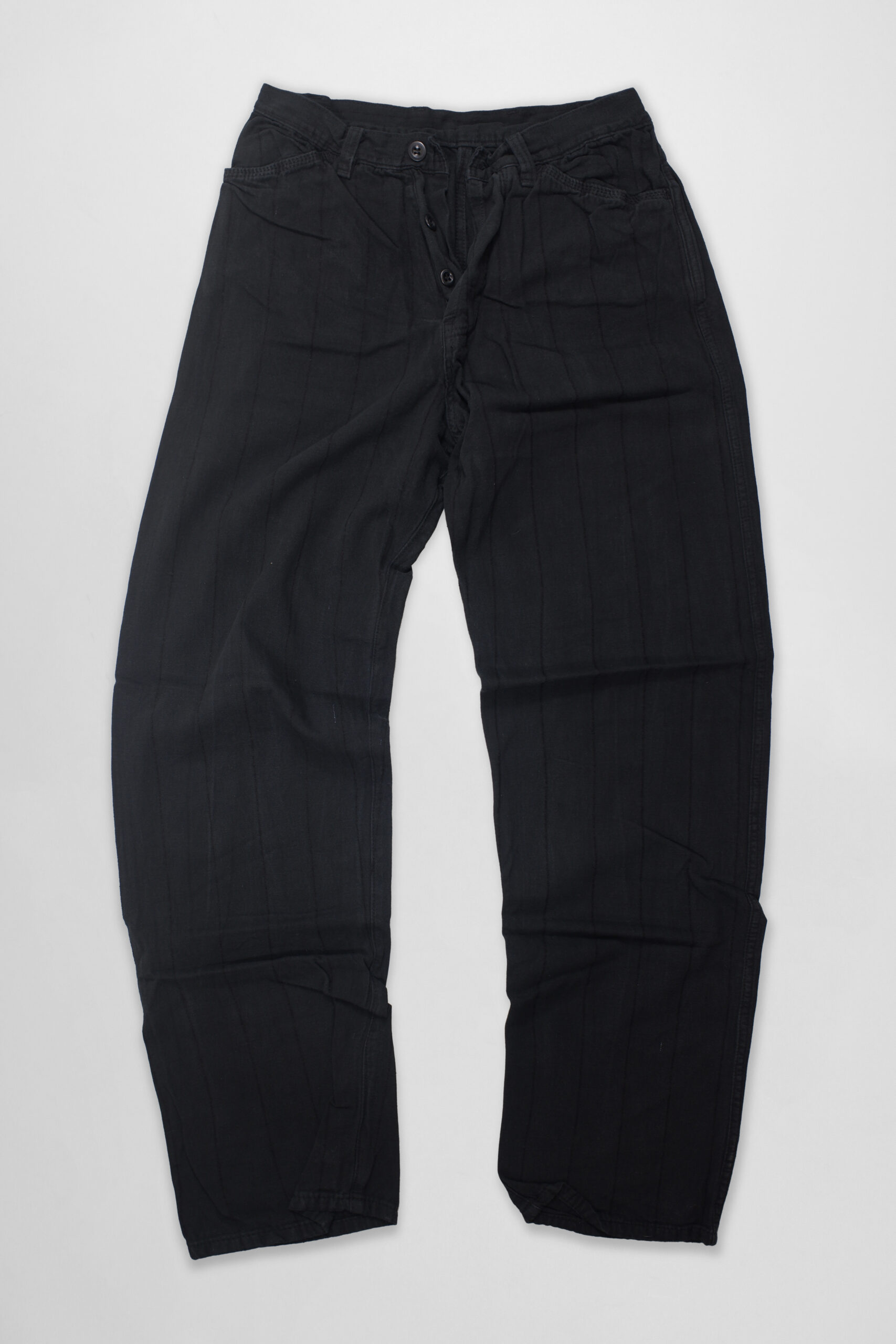
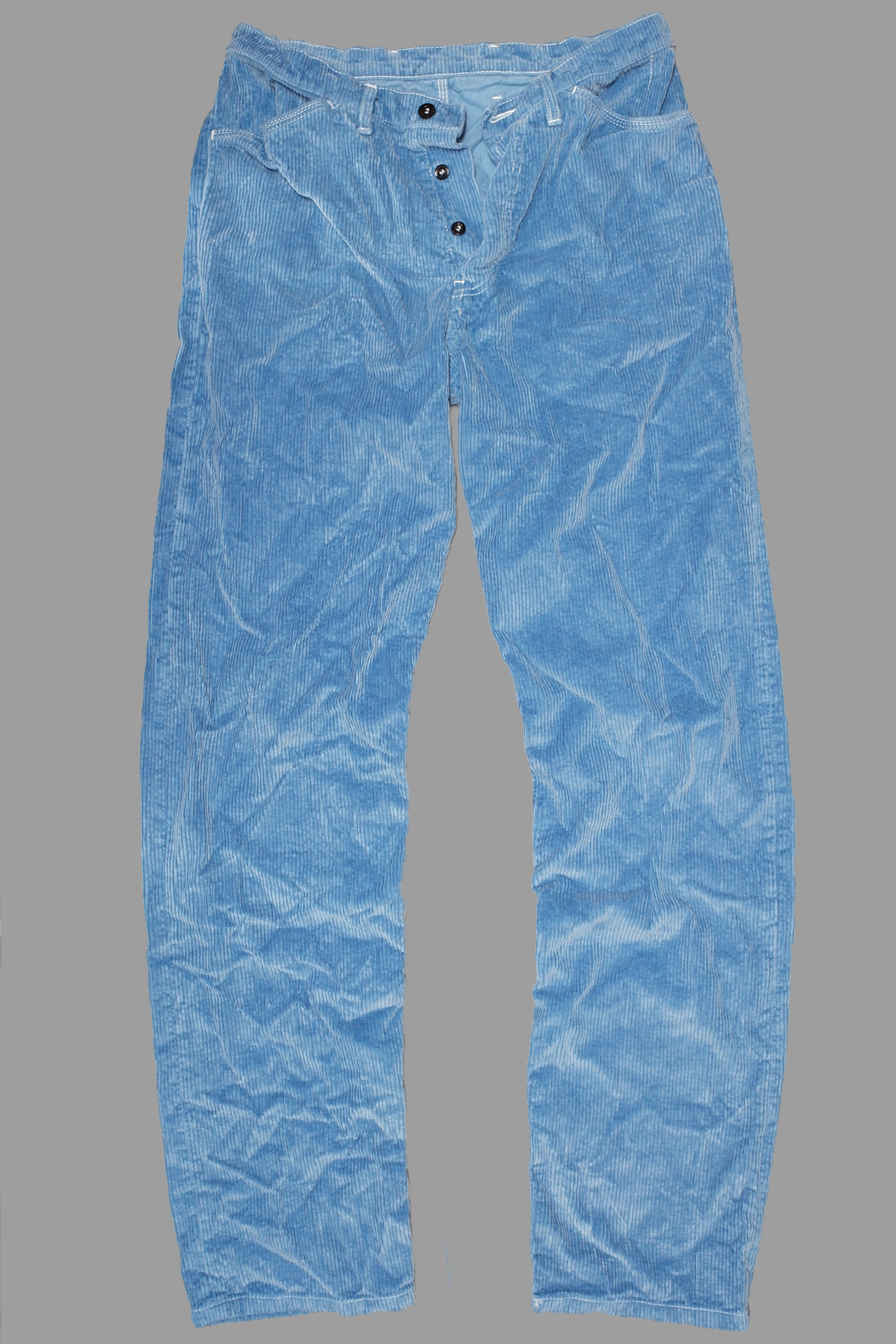
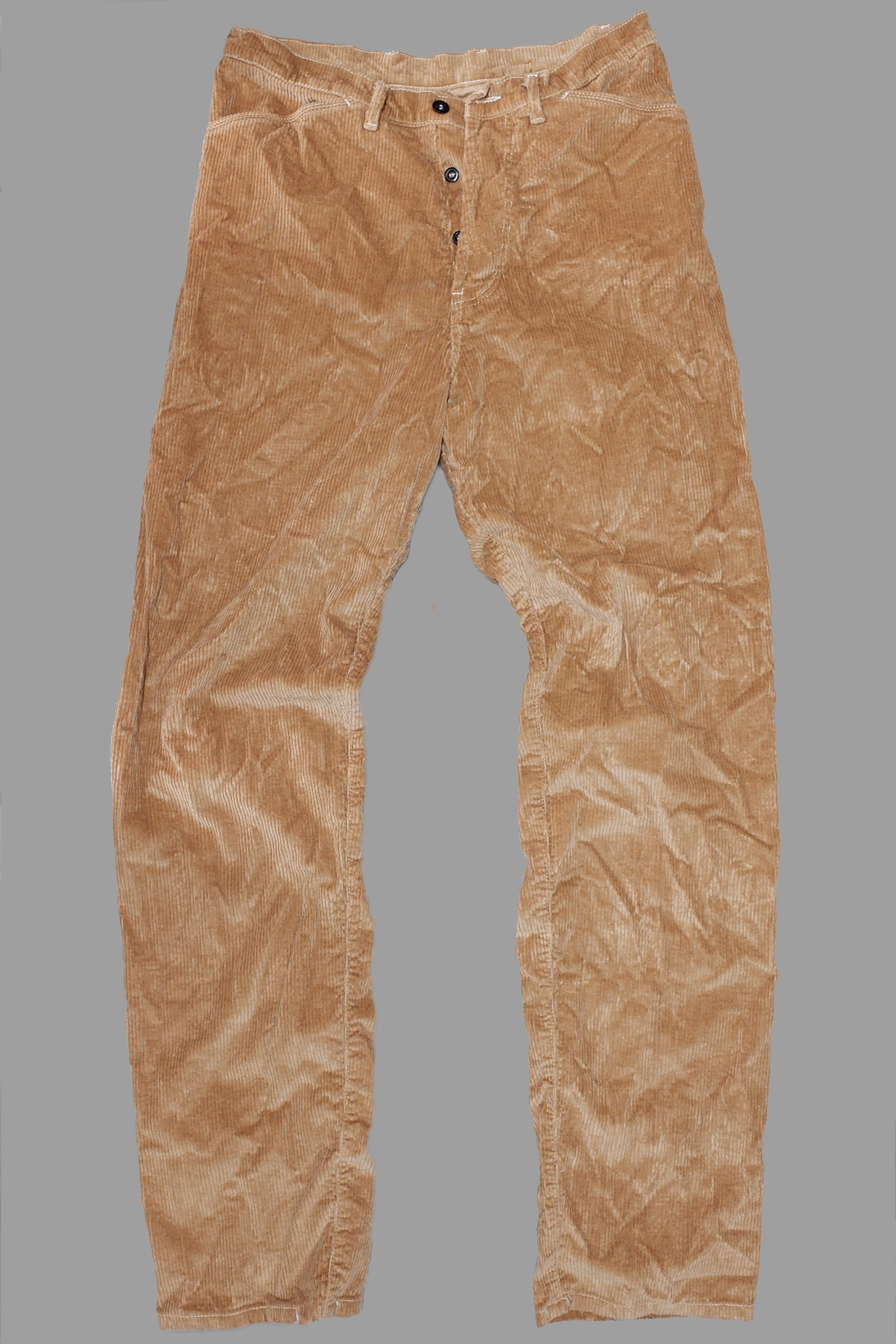
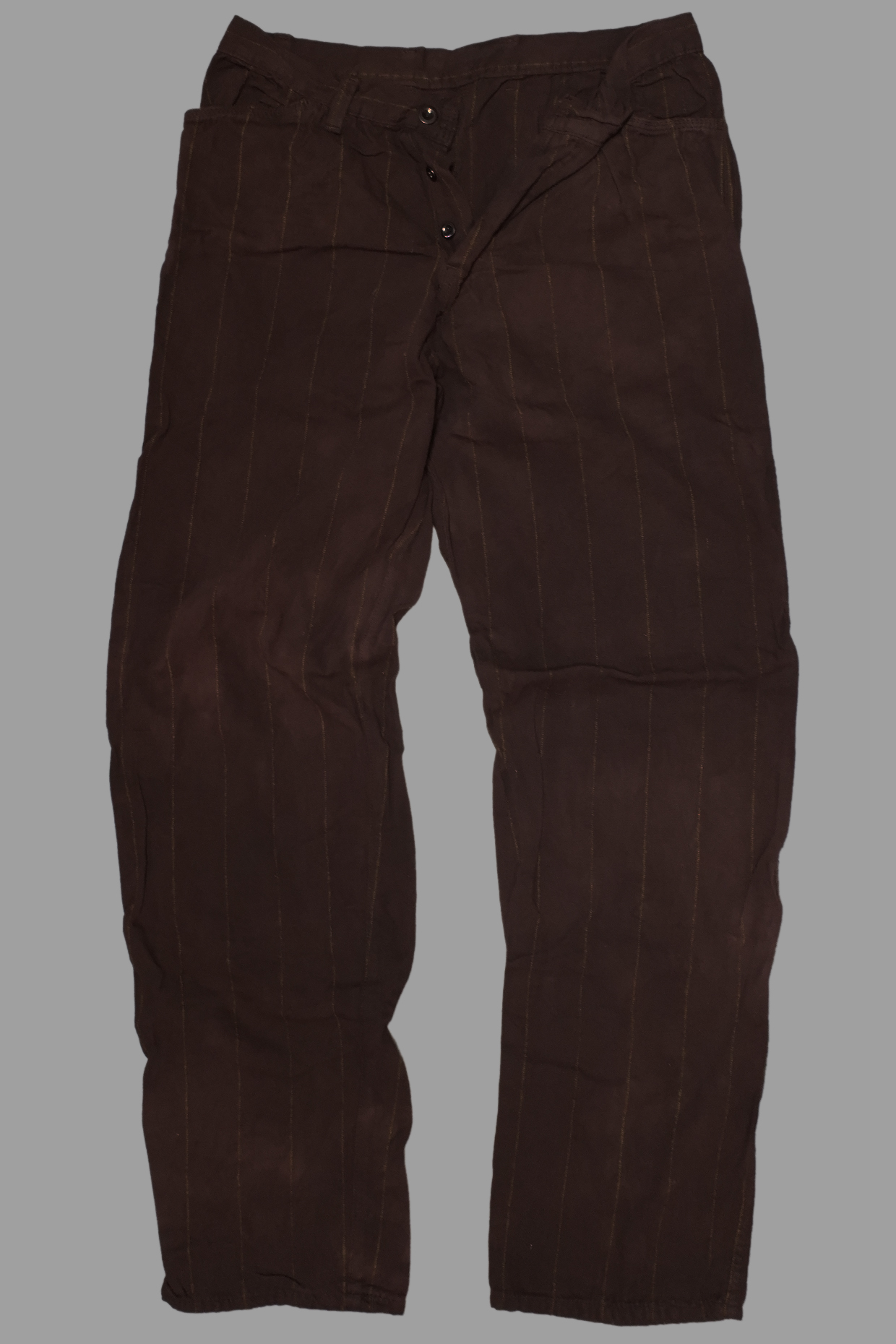

Slim jeans with a high rise, slim seat and gently tapered leg.
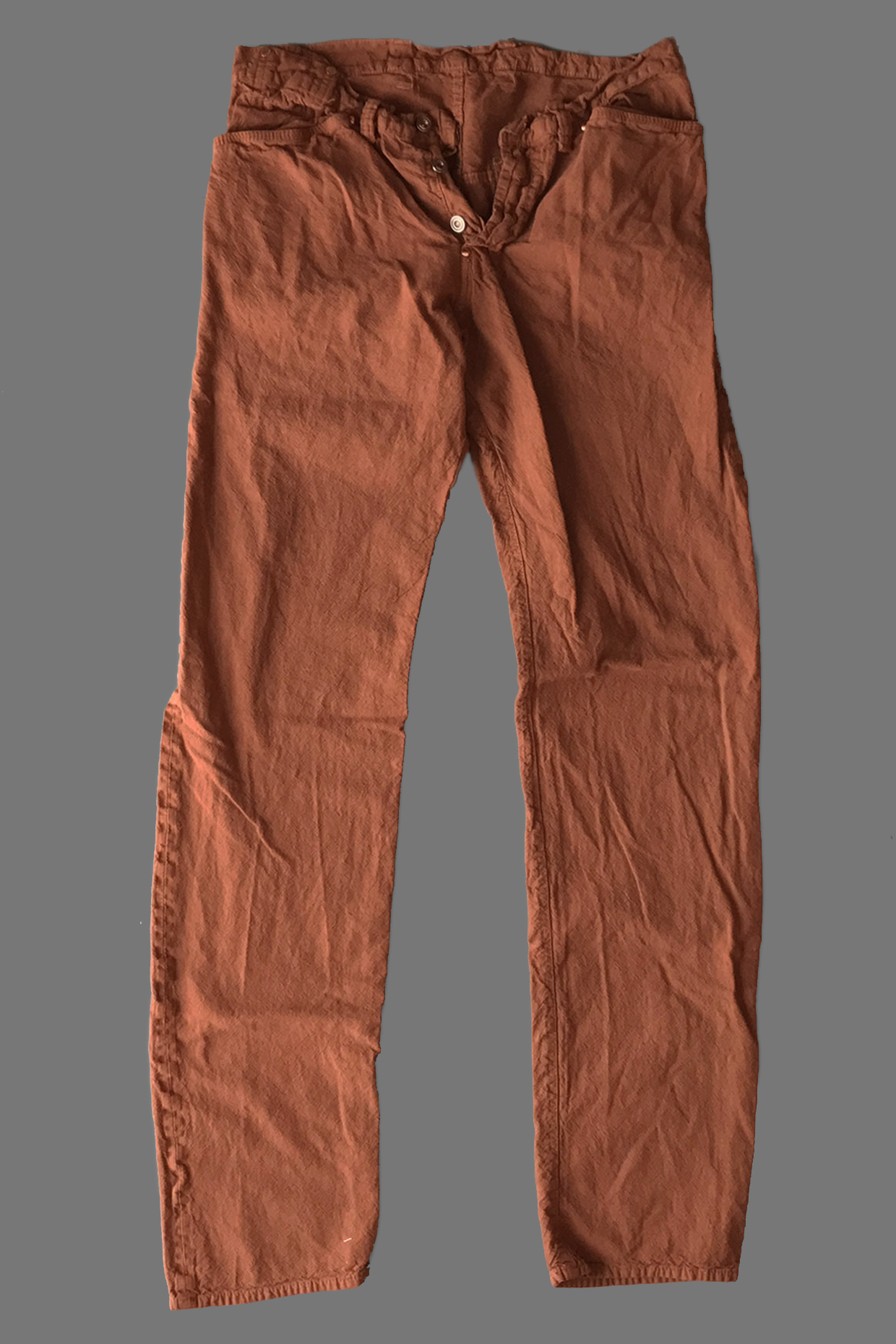
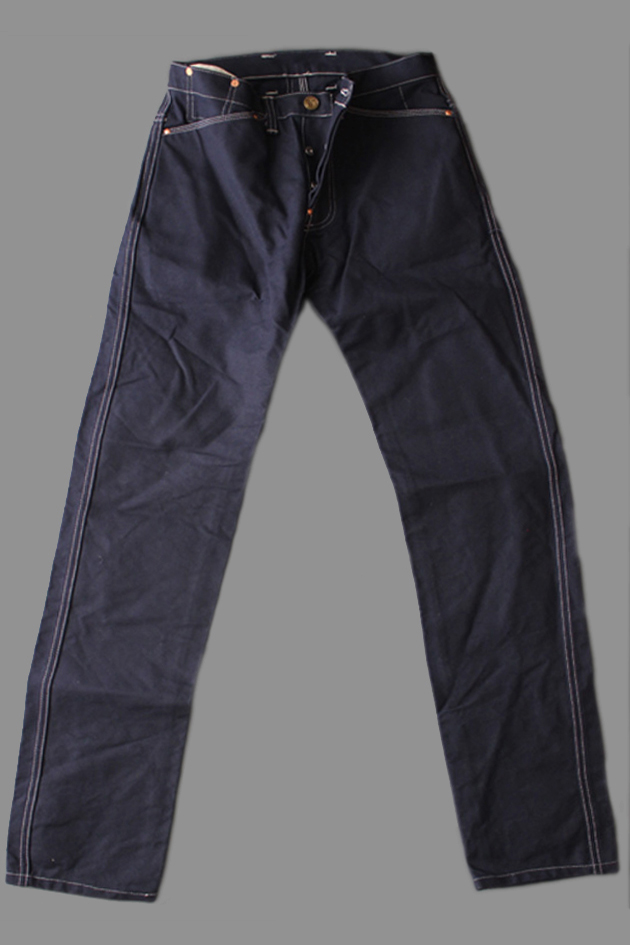
High waist jeans with a generous seat and thigh, and a tapered leg.


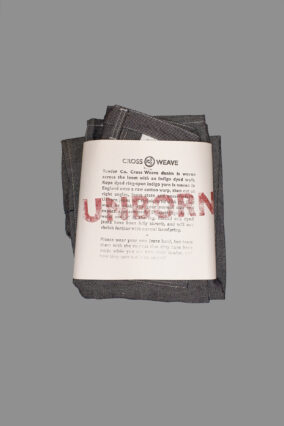


High waist jeans with a generous seat and thigh, and a roomy straight leg.
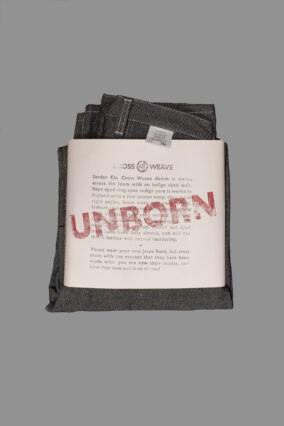
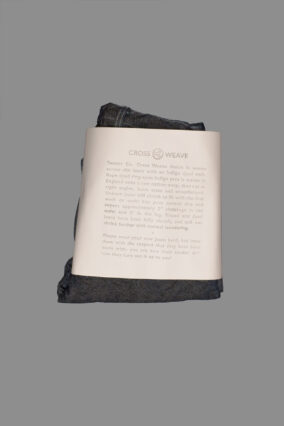
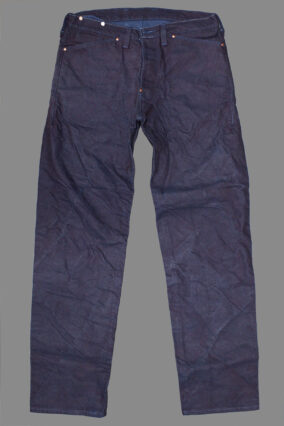
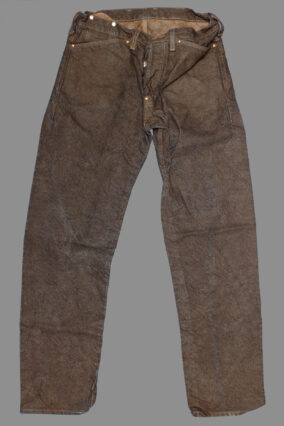
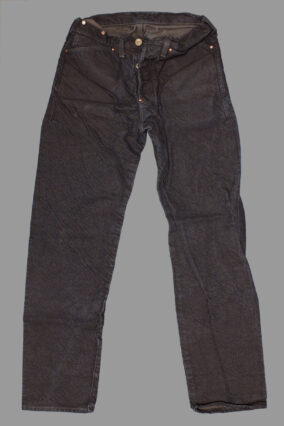
High waist extra wide jeans with a generous seat and thigh, and a very roomy straight leg.
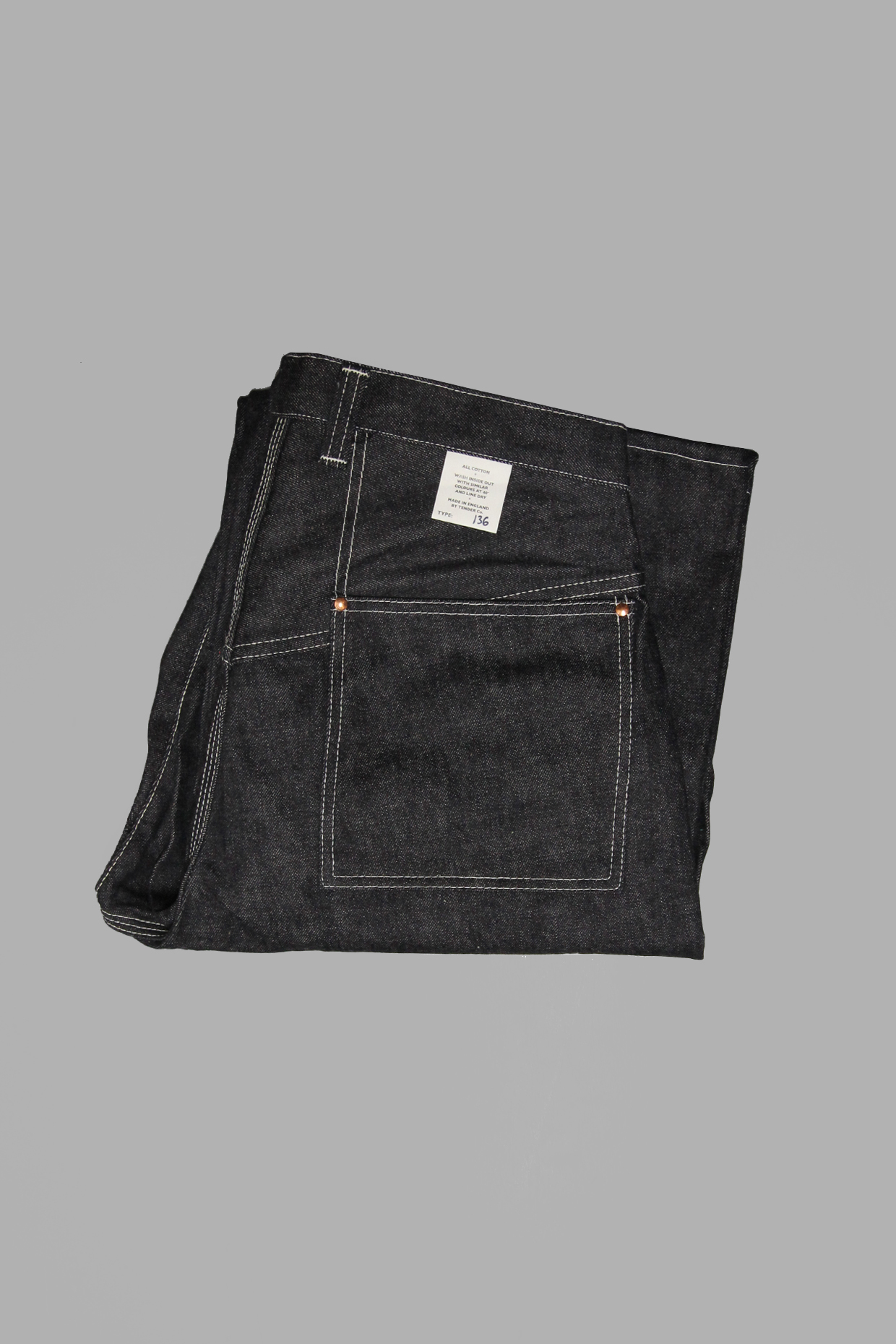
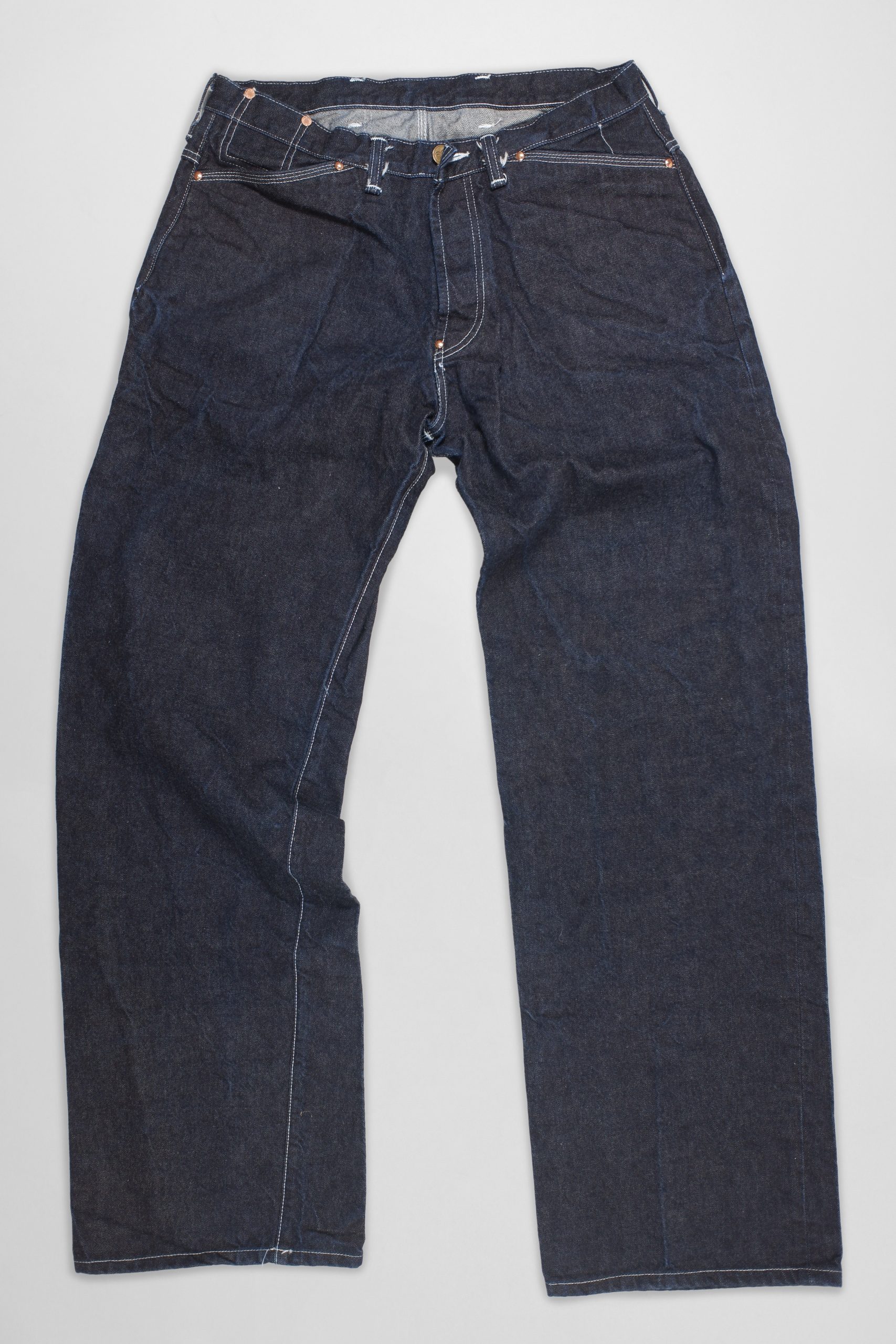

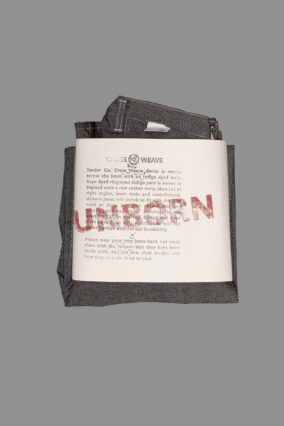
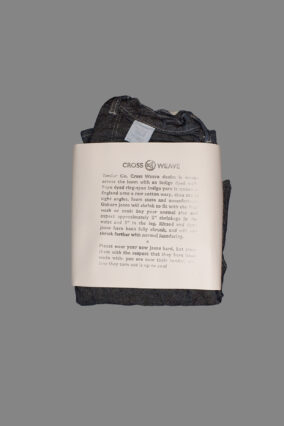
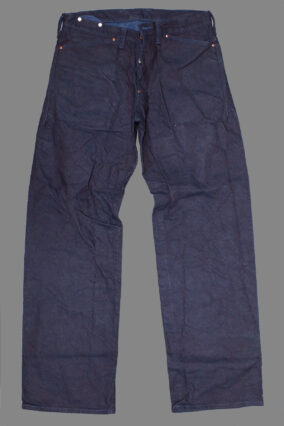
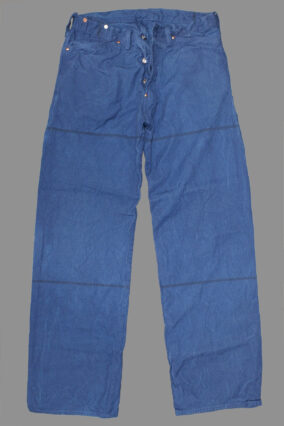
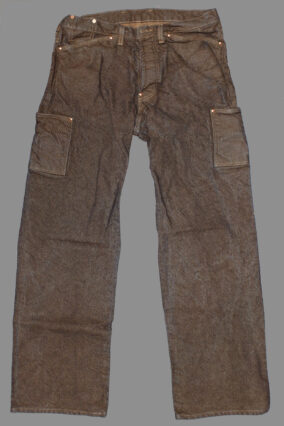
High waist extra wide jeans with a generous seat and thigh, a very roomy straight leg and back thigh driver's pocket.
The Draft Line Coat is generously cut with upside down raglan sleeves and a high neck. At the back the draft lines marking the high shoulder points are extended up and down to create a single panel which runs up the back from the hem to the top of the collar, removing the back neck seam.
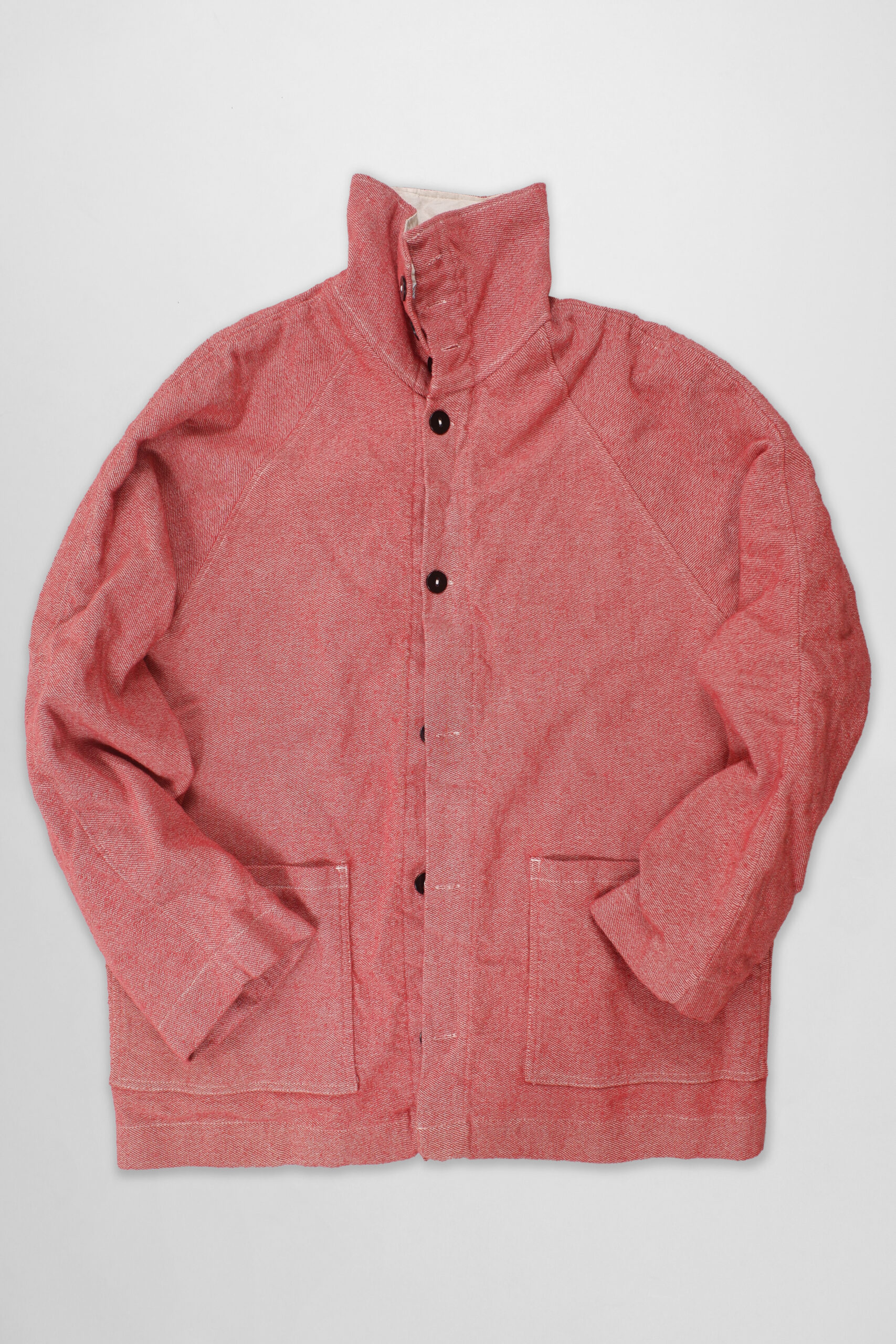
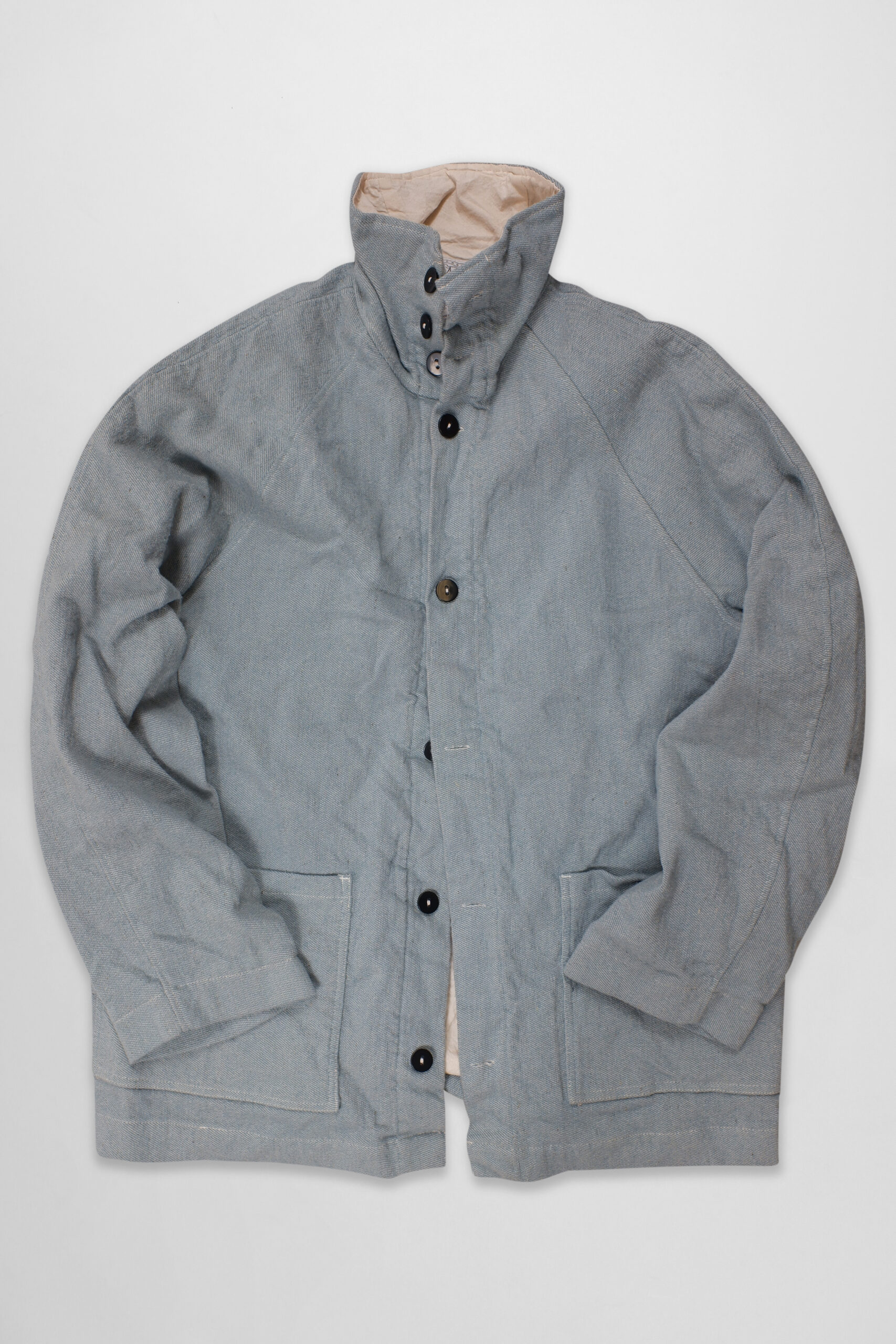
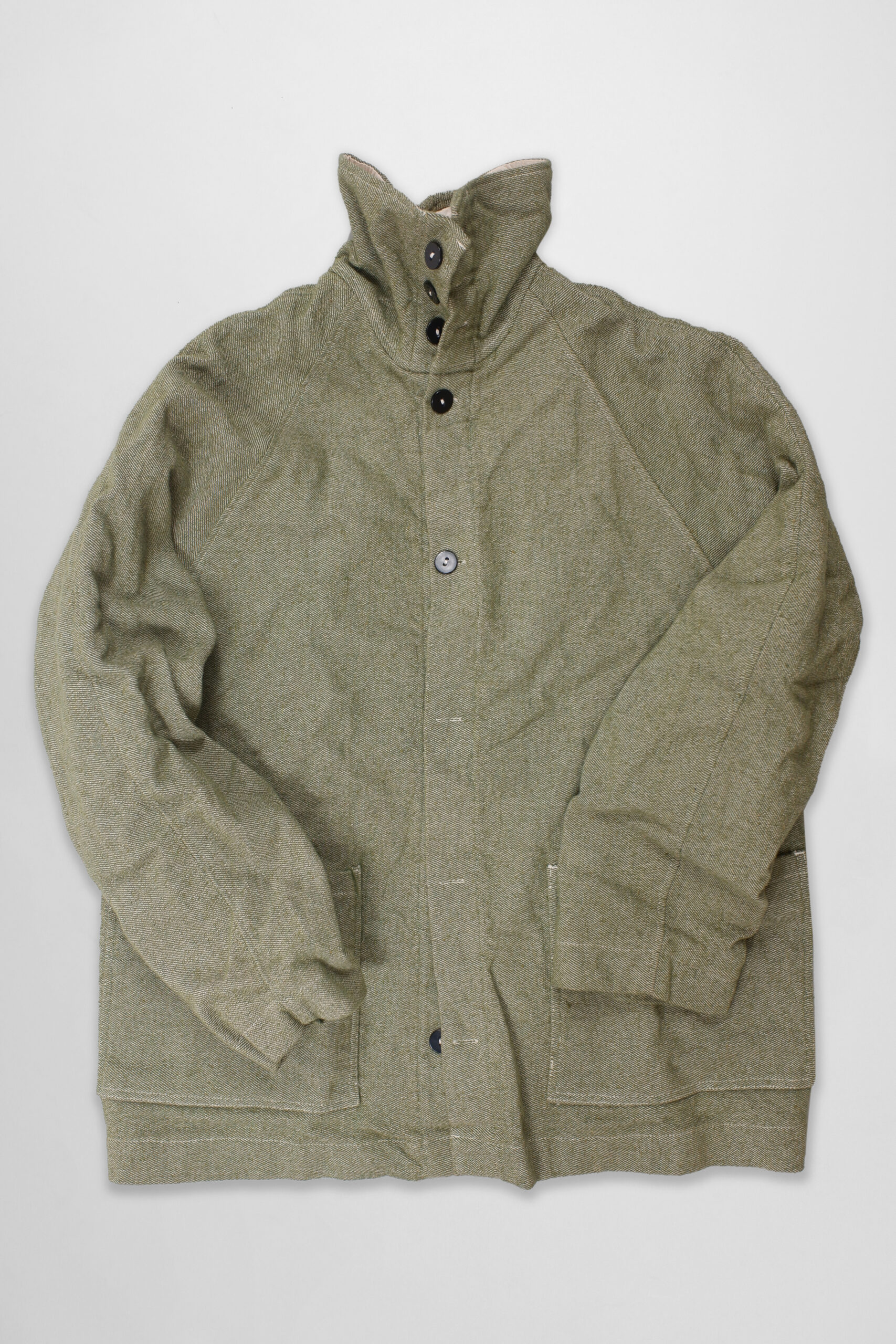
The Hooded Draft Line Coat is generously cut with upside down raglan sleeves and a three panel hood.. At the back the draft lines marking the high shoulder points are extended up and down to create a single panel which runs up the back neck and over the top of the head, ending at the front of the hood.
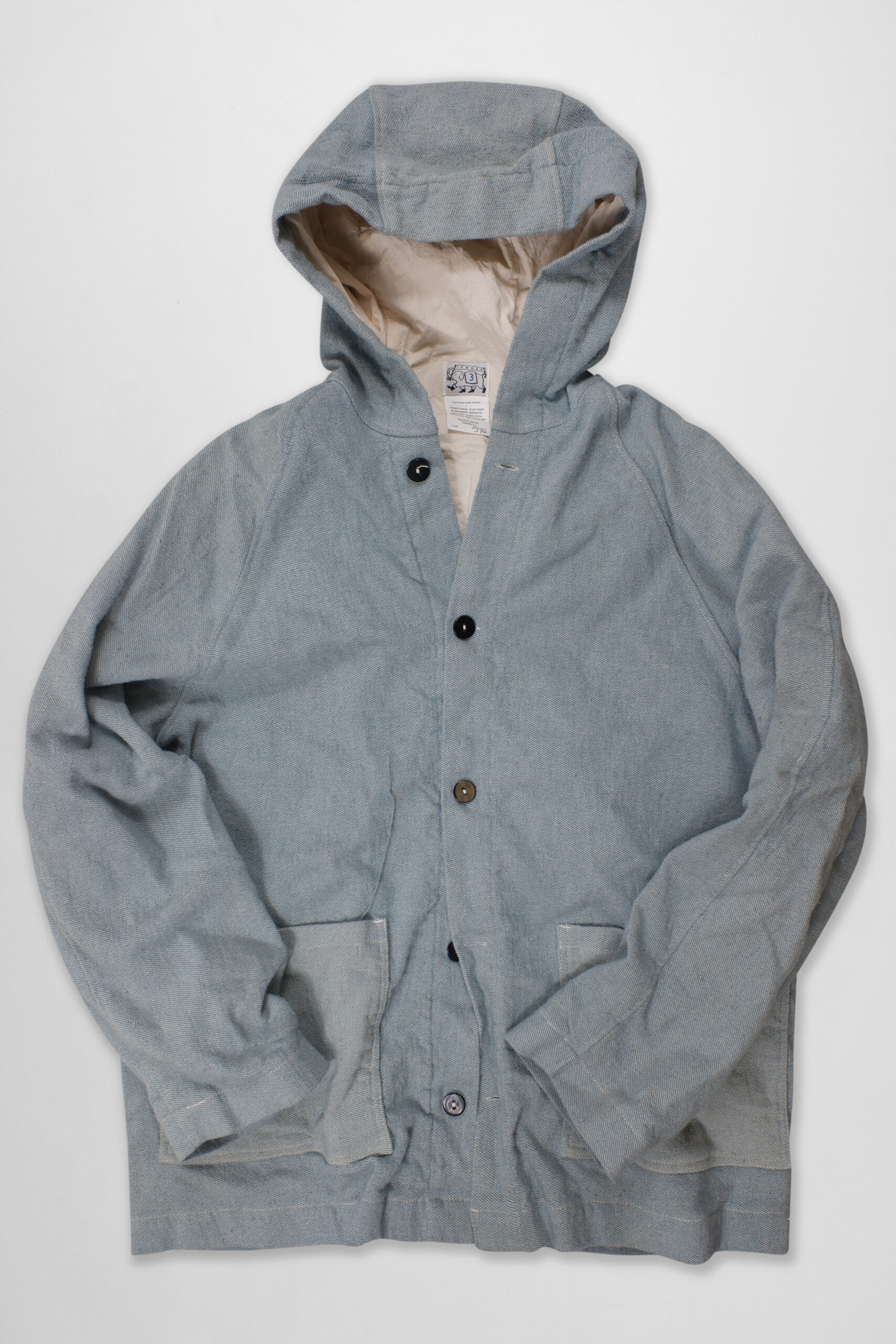
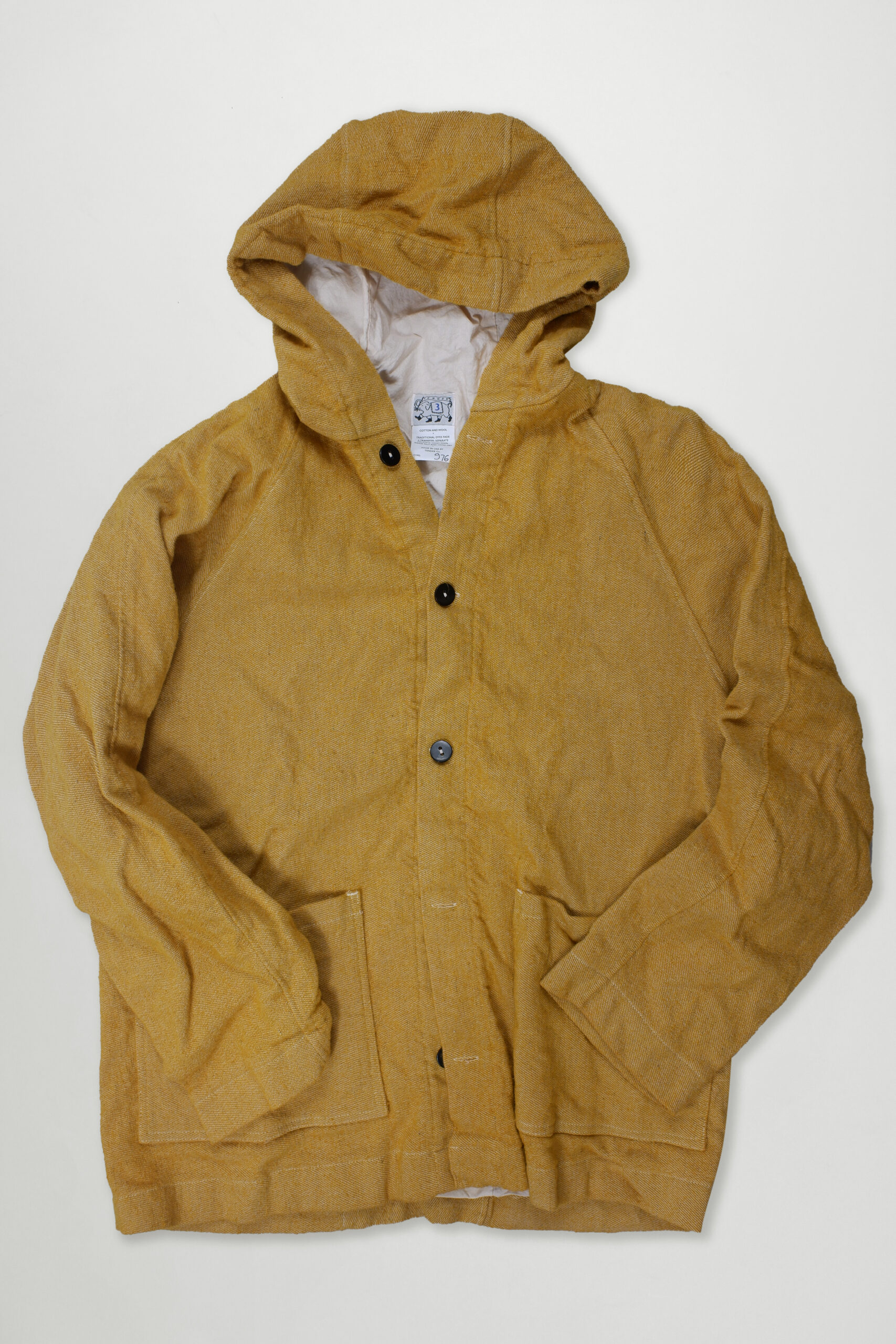
Based on a Boy Scouts of America uniform jacket from the textiles collection at University of Wisconsin-Madison, the extra large collar can be worn up, down, or buttoned half way, tight to the neck.
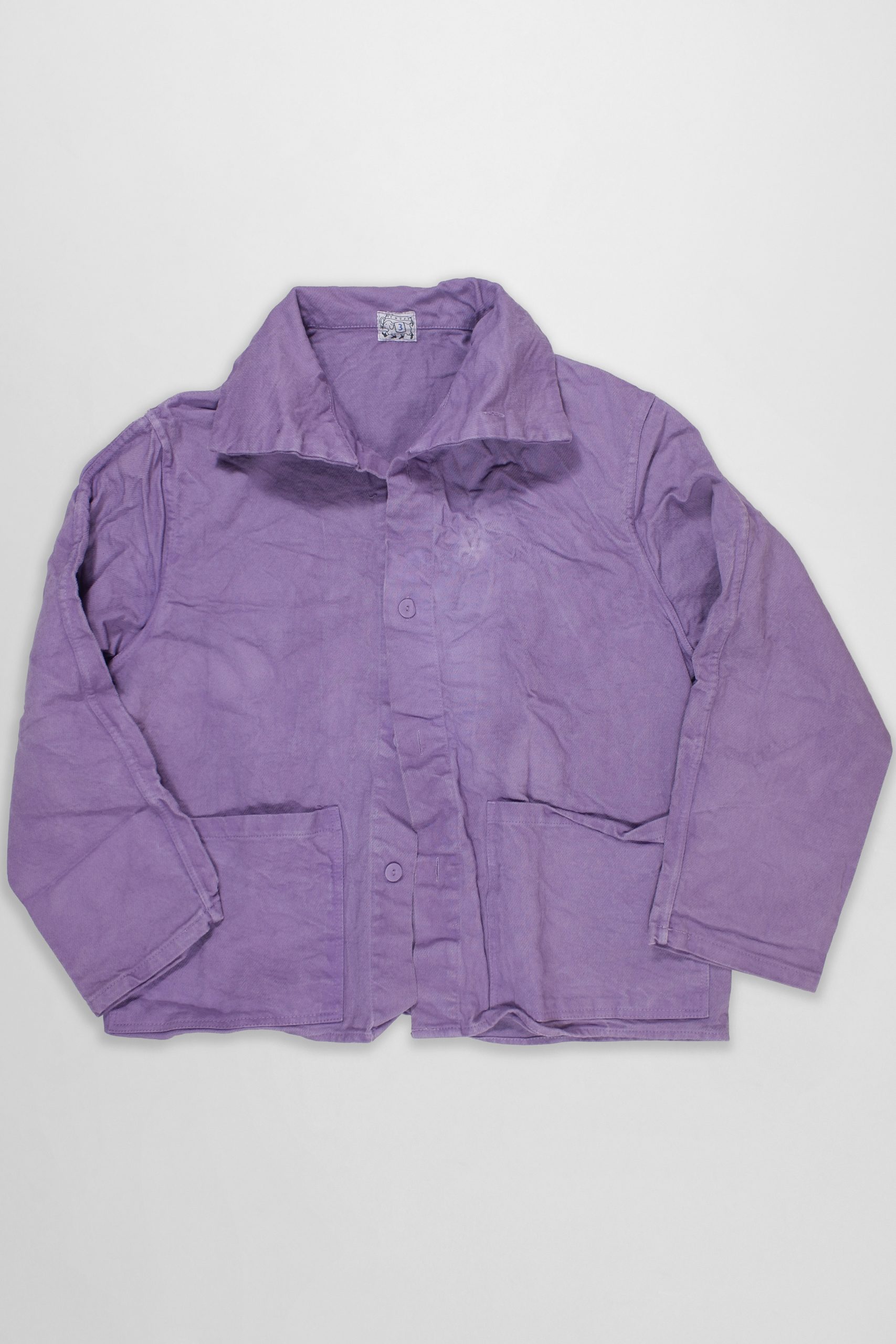
Unlike most Tender jackets, which have a straight cut front, the Two:One jacket has shaped lapels with a large belly, to use the tailor's term.


The Edited Jeans Jacket is a simplified version of the Type 901 Pleat Pocket Jeans Jacket, cut straight with a centre back seam.


The Crossover Studio Apron is cut shorter than a standard apron, finishing at the hips, and keeping a shirt clean without constricting the legs.