X

Welcome to the Tender Stores. Orders are charged in US$ and are dispatched from Pennsylvania USA.
Please contact us with any questions.


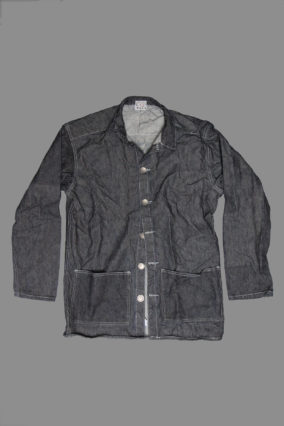
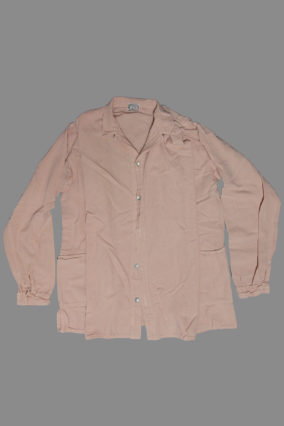
The Floor shirt is an edited interpretation of a factory overshirt, with large hand pockets and wide sleeves. The stitching at the shoulders appears to make a traditional seamed split yoke, but in fact it shows how the front and back panels overlap, forming a double thickness at the shoulders without any additional seams.
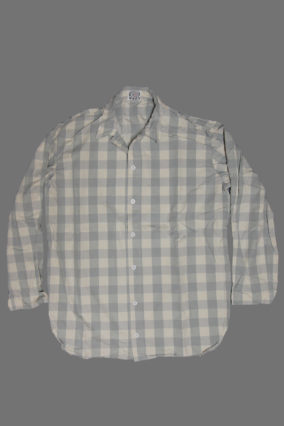
Weaver’s Stock shirts are made using deadstock fabrics from British weaving mills, sewn in a small factory in the Midlands. These shirts are single-needle sewn with french seams, and are cut with scooped tails.
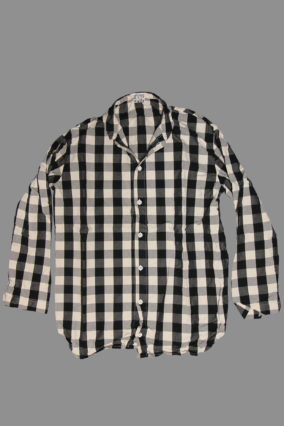
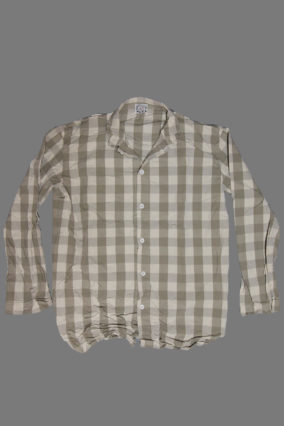
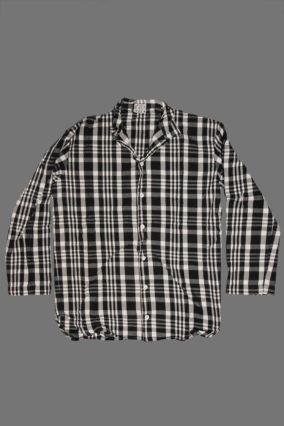
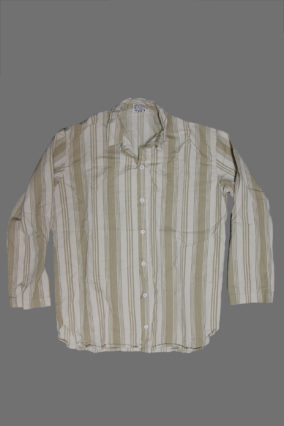
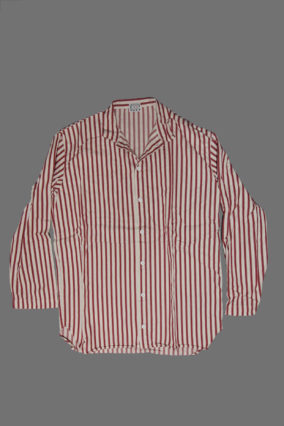
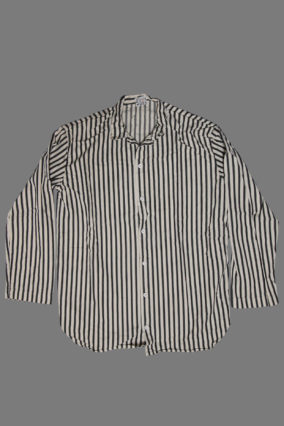
The long sleeved Bench shirt is an edited interpretation of a draught-maker’s shirt, with a single breast pocket and pleated cuffs.
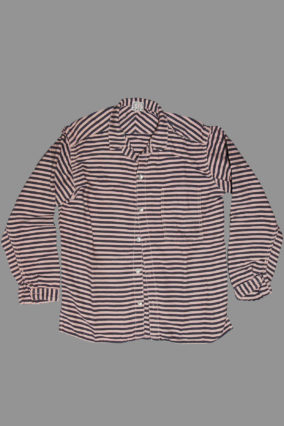
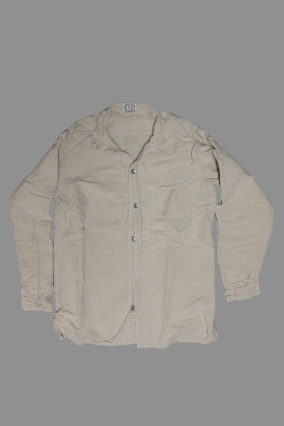
The Sack shirt is cut very wide and loose in the body, pulled in to a standard fitted shoulder width with deep pleats at the front and back.The cutting is adapted from an early 20th Century nurse’s shirt, and the large pockets sit inside the space created by the pleats over the side seam splits.
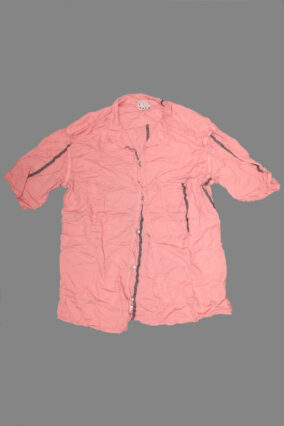
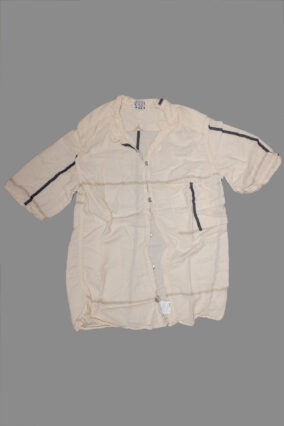
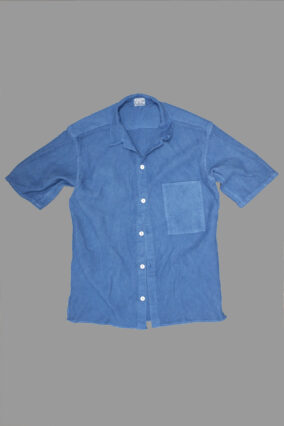
The short sleeved Bench shirt is an edited interpretation of a draught-maker’s shirt, with a single breast pocket and open short sleeves.
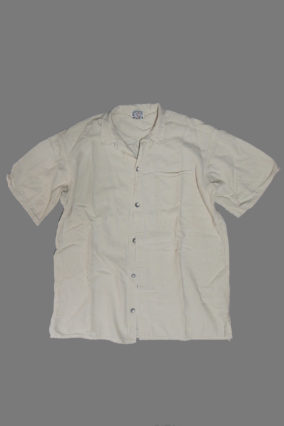
The Rower’s cardigan is knit as a simple crew neck pullover, cut down the centre and fastened with a button placket.The panels are hand framed and fully fashioned, and the garment is finished by hand.
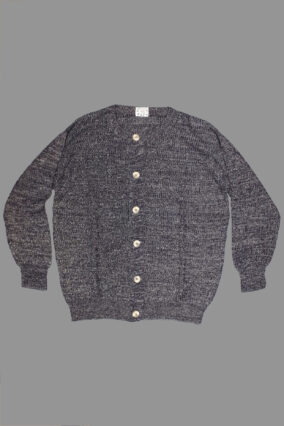
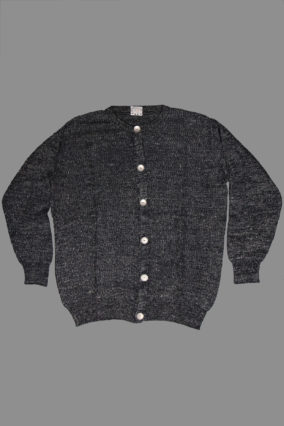
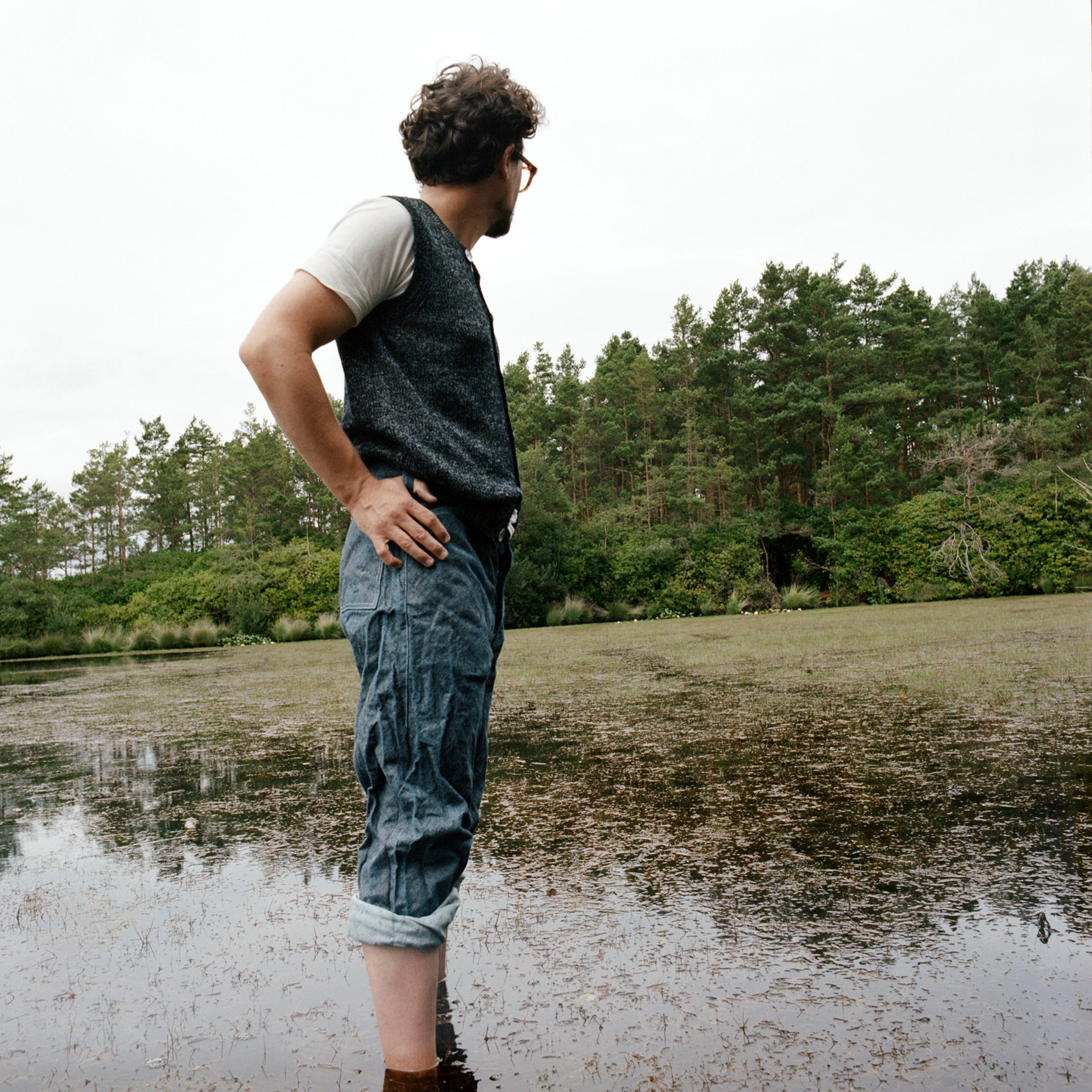
The Rower’s slipover is knit as a simple crew neck sleeveless pullover, cut down the centre and fastened with a button placket.The panels are hand framed and fully fashioned, and the garment is finished by hand.
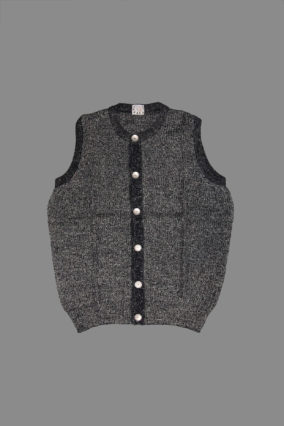
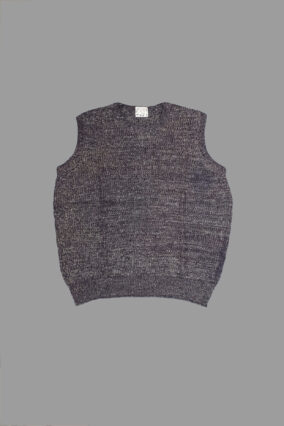
The crew neck Cardigan-Stitch Slipover is knit as a simple crew neck sleeveless pullover, in a ribbed 'cardigan stitch'. The panels are hand framed and fully fashioned, and the garment is finished by hand.
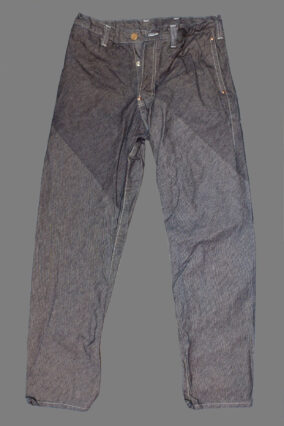
Bias cut trews are based on early trousers, which replaced knee-britches worn with knitted hose as practical leg coverings for men. They are cut entirely on the bias, so they will stretch around the knee and seat, shaping to fit the wearer over time.


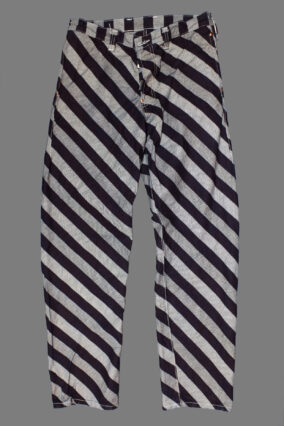
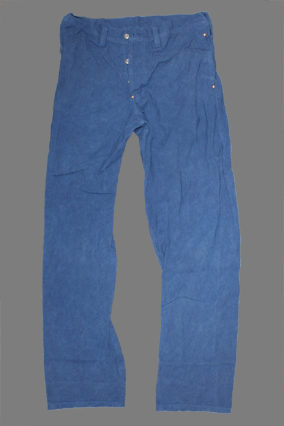
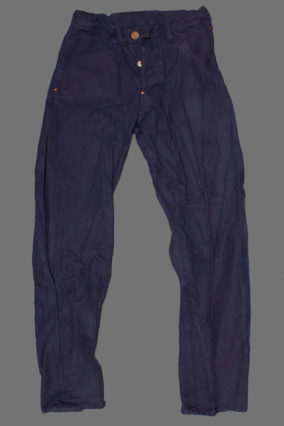
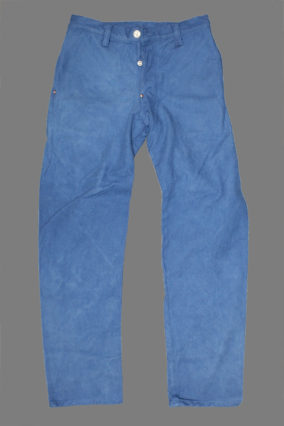

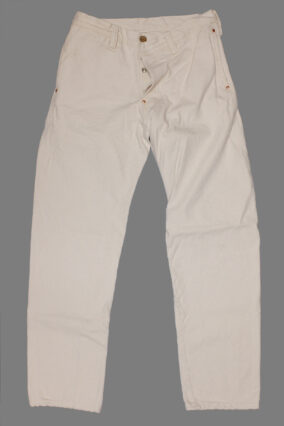
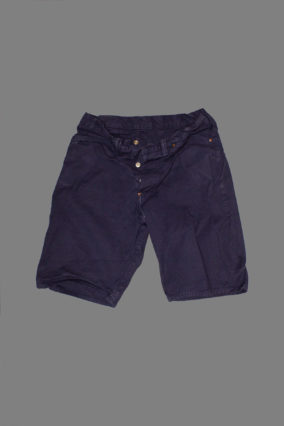
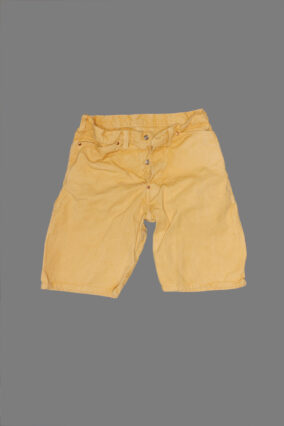
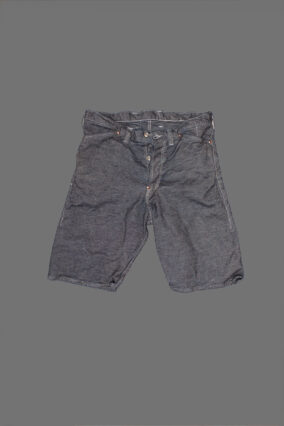
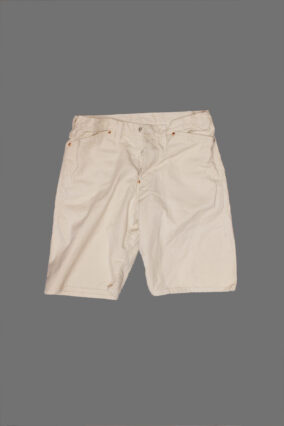
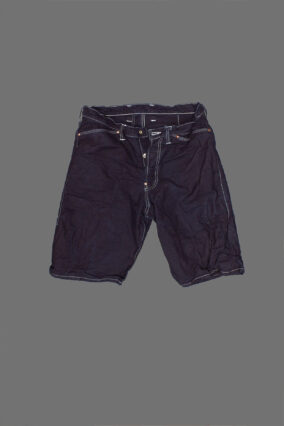
Cross Cut Trews Shorts are cut with a long side dart, but no side seam, so the fabric joins up all around the outside of the hem. The fabric is cut sideways across the leg, and the seat is fitted with long darts rather than a yoke.

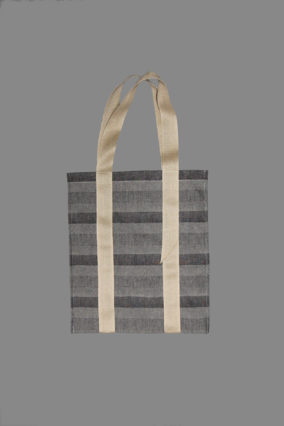
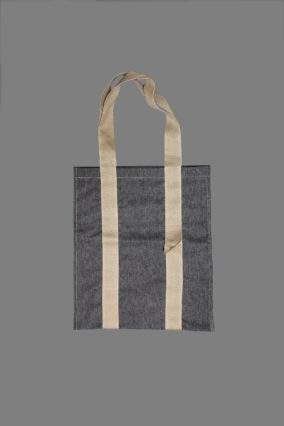
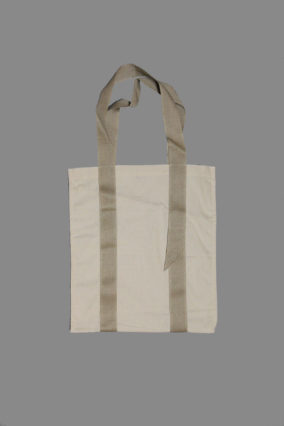
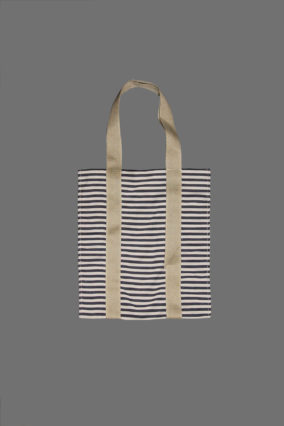
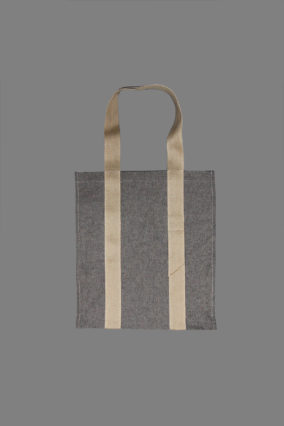
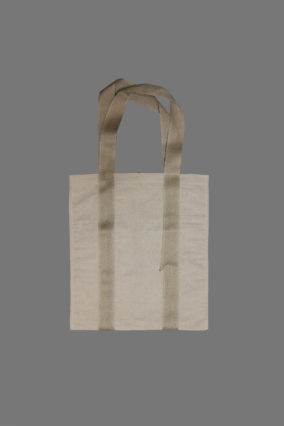
The oversized One-strap tote bag is folded along the bottom edge, so there is no seam to create a weakness in the fabric. A single wide webbing strap loops around the bag twice, creating both handles, and is cut raw on the bias, at the overlap.