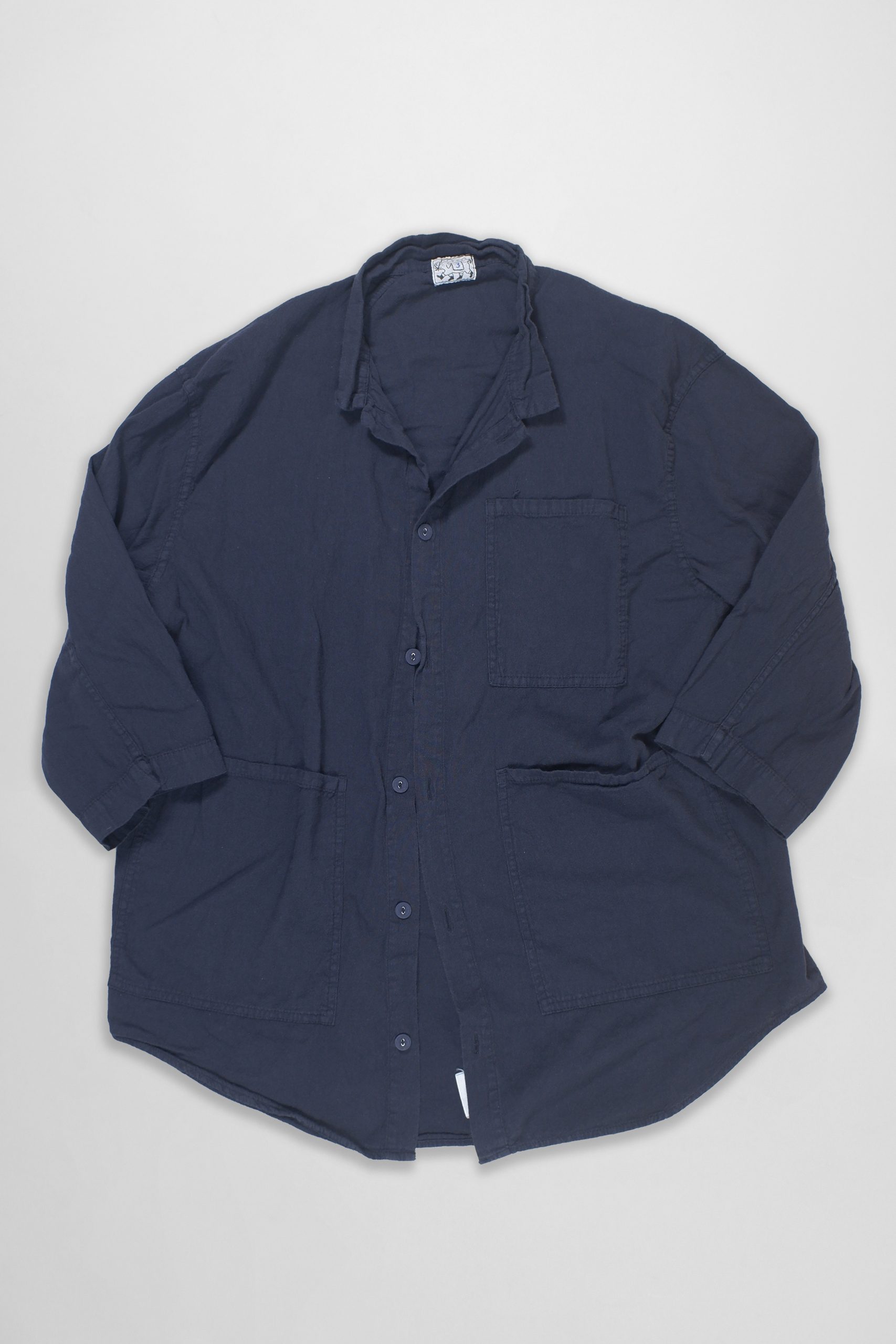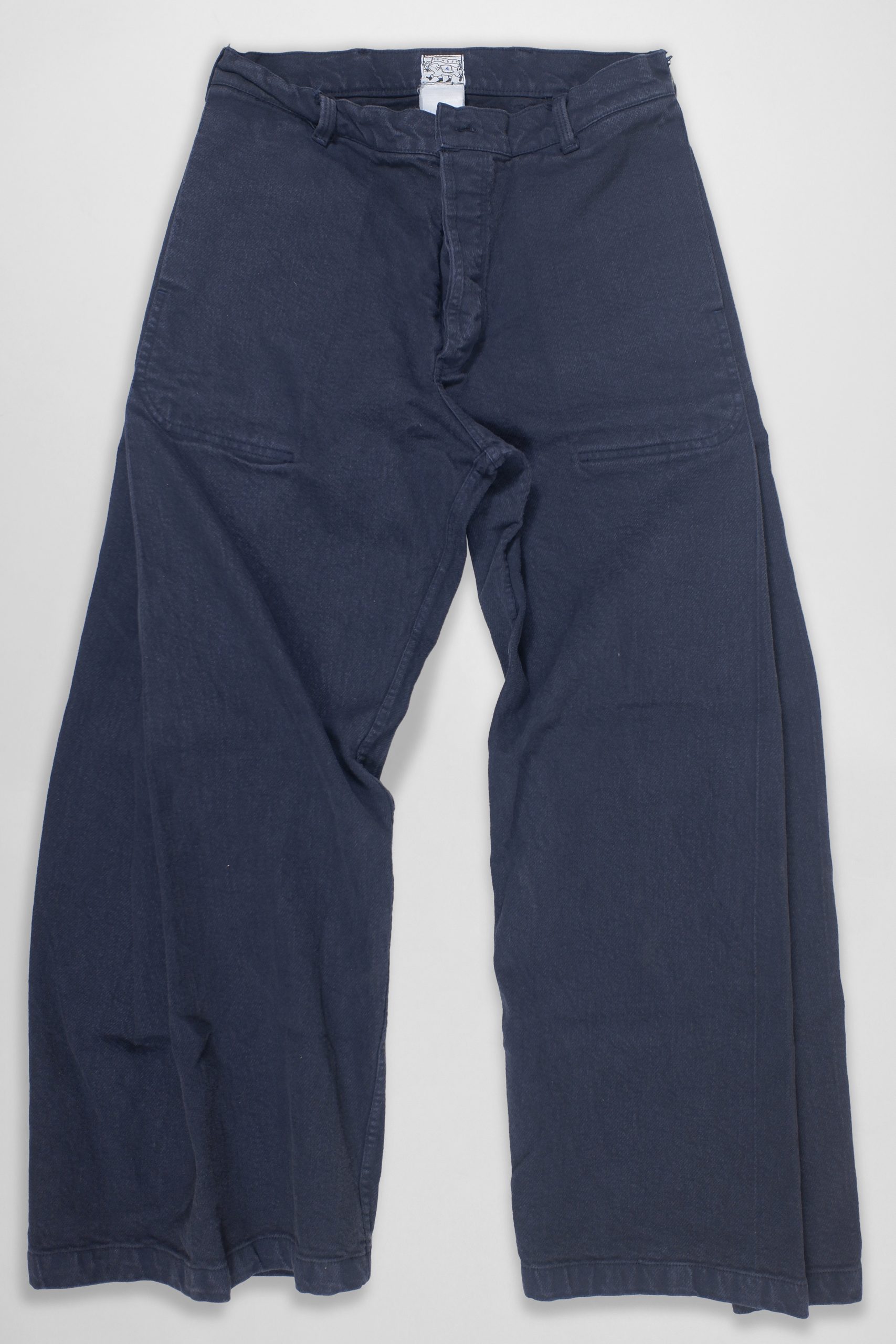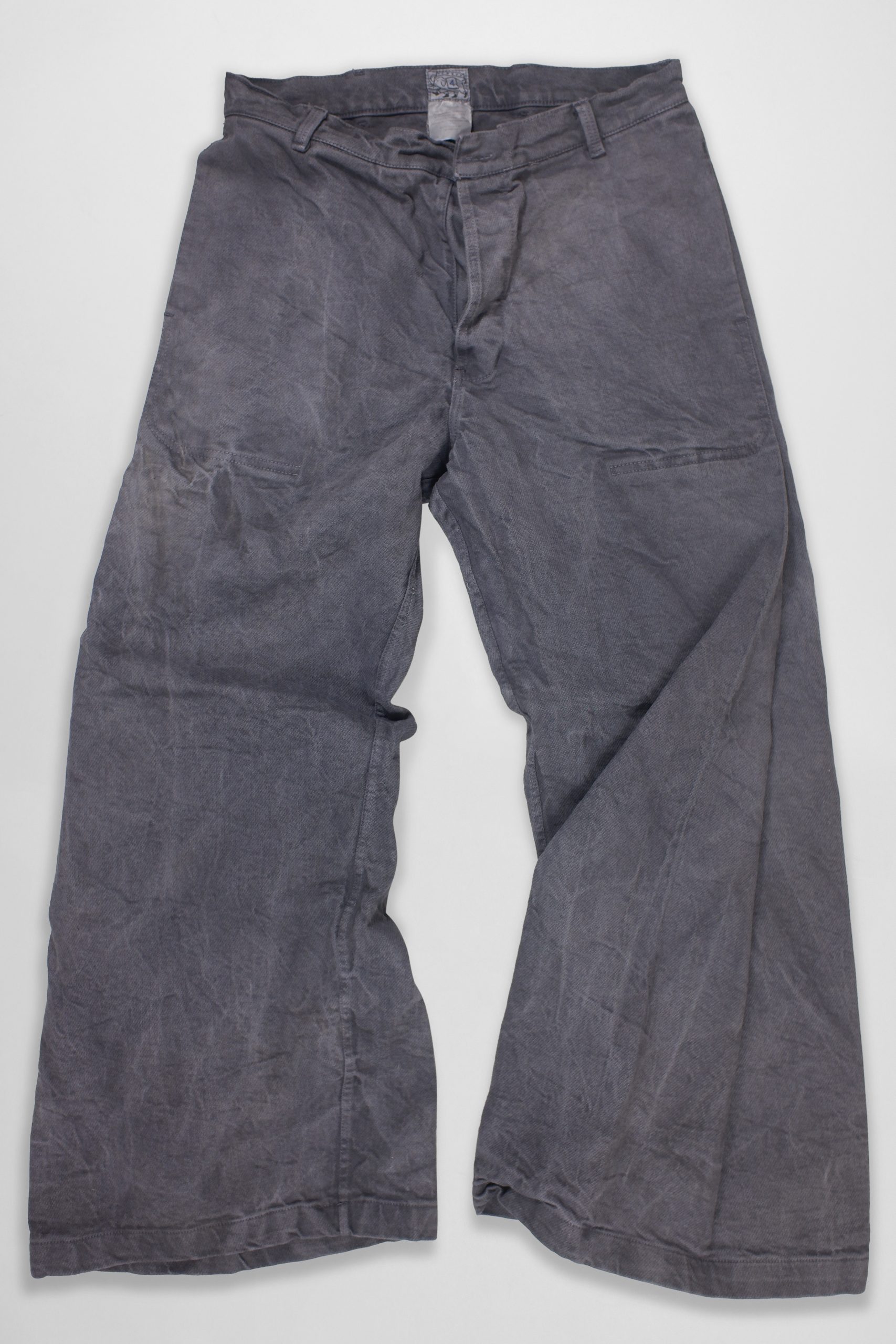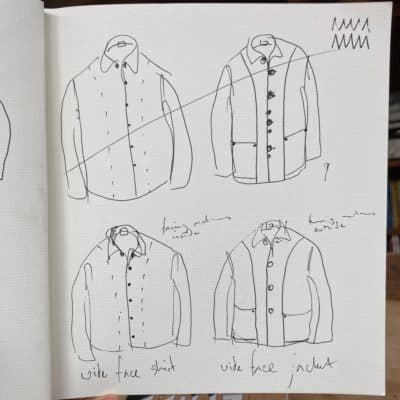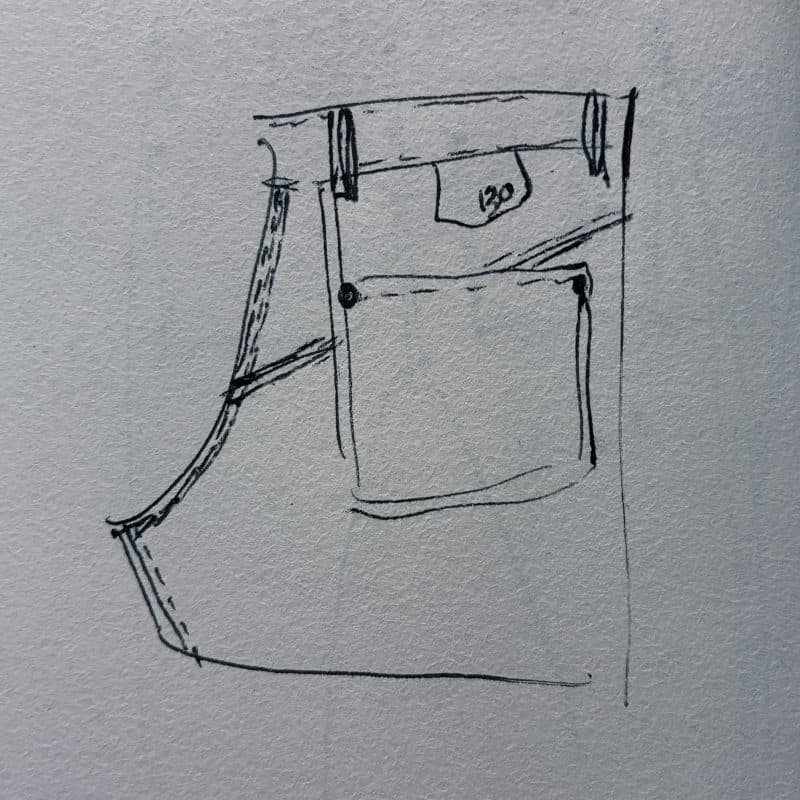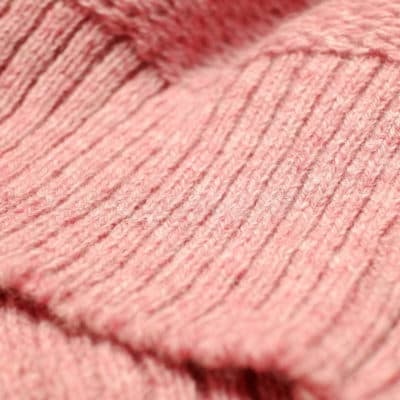
Knowing when to stop is a common theme within design, and comes up a lot in teaching. Overthinking can often be as detrimental to a design as under thinking it, and for Tender I fully embrace a slightly sketched-out, happenstance approach to design. In this piece, however, I want to discuss another aspect of stopping at the right moment: in sourcing and materials production.
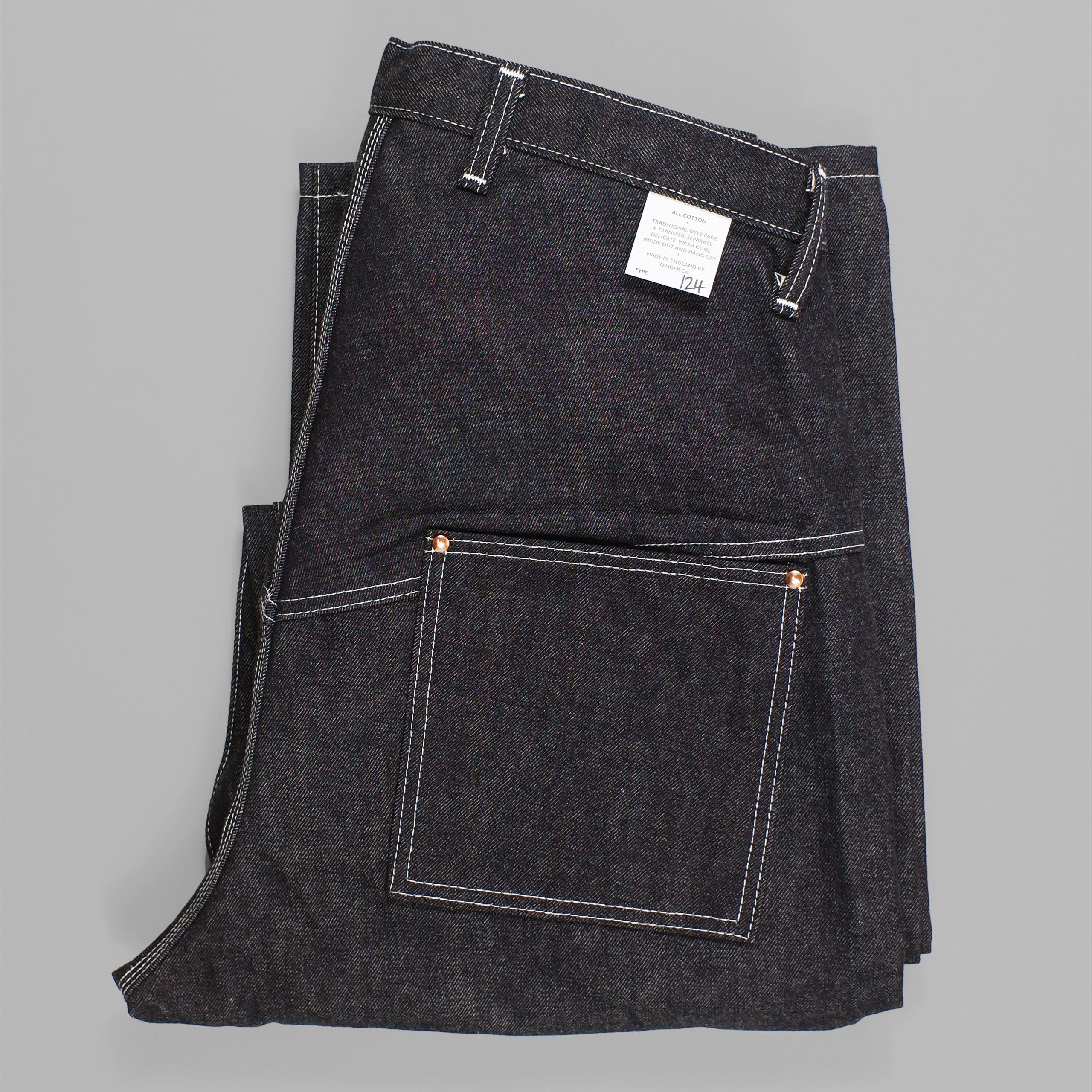
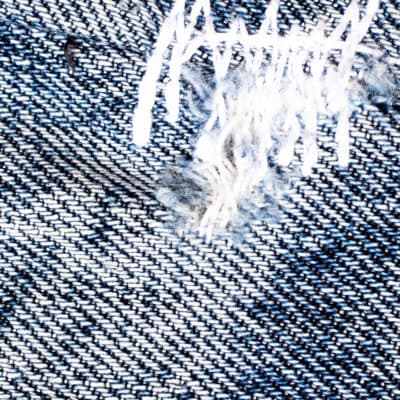
Early in my career, in a previous job, I visited a large jeans factory in China which sewed and washed jeans for some very big brands. I saw some jeans coming off the sewing line in dark, raw denim, which looked really great- the details were unusual but the deep indigo denim and traditional stitching colors kept them within the bounds of my personal taste, and threw the attention onto the construction. I asked about them, and was shown that they were on the way to being branded and then washed. They got quite loud exterior labeling and a very heavy high-contrast wash with abraded holes, bleached sections, and paint marks. While I respect anyone’s decisions for their own designs, the finished product, which had had loads of work (and money) go into the finishing, was something I didn’t personally like at all. It had never really occurred to me that all pre-washed and distressed garments start out raw, and it struck me how much more interesting to me a lot of these pieces would be if they’d been pulled out of the process a lot earlier.
This is a realization that I’ve brought to a lot of design and sourcing decisions with Tender- particularly within fabric weaving. Weavers and fabric finishers usually (and understandably) aim for consistency and finesse. Yarn is put through processes like mercerization, woven fabrics are desized, stretched, steamed, tentered, singed, and coated, all to make a fabric which is predictable, luxurious, and as near to perfect as possible. I find this kind of result a bit sterile, though, and it goes against the idea of truth to materials, which I like.
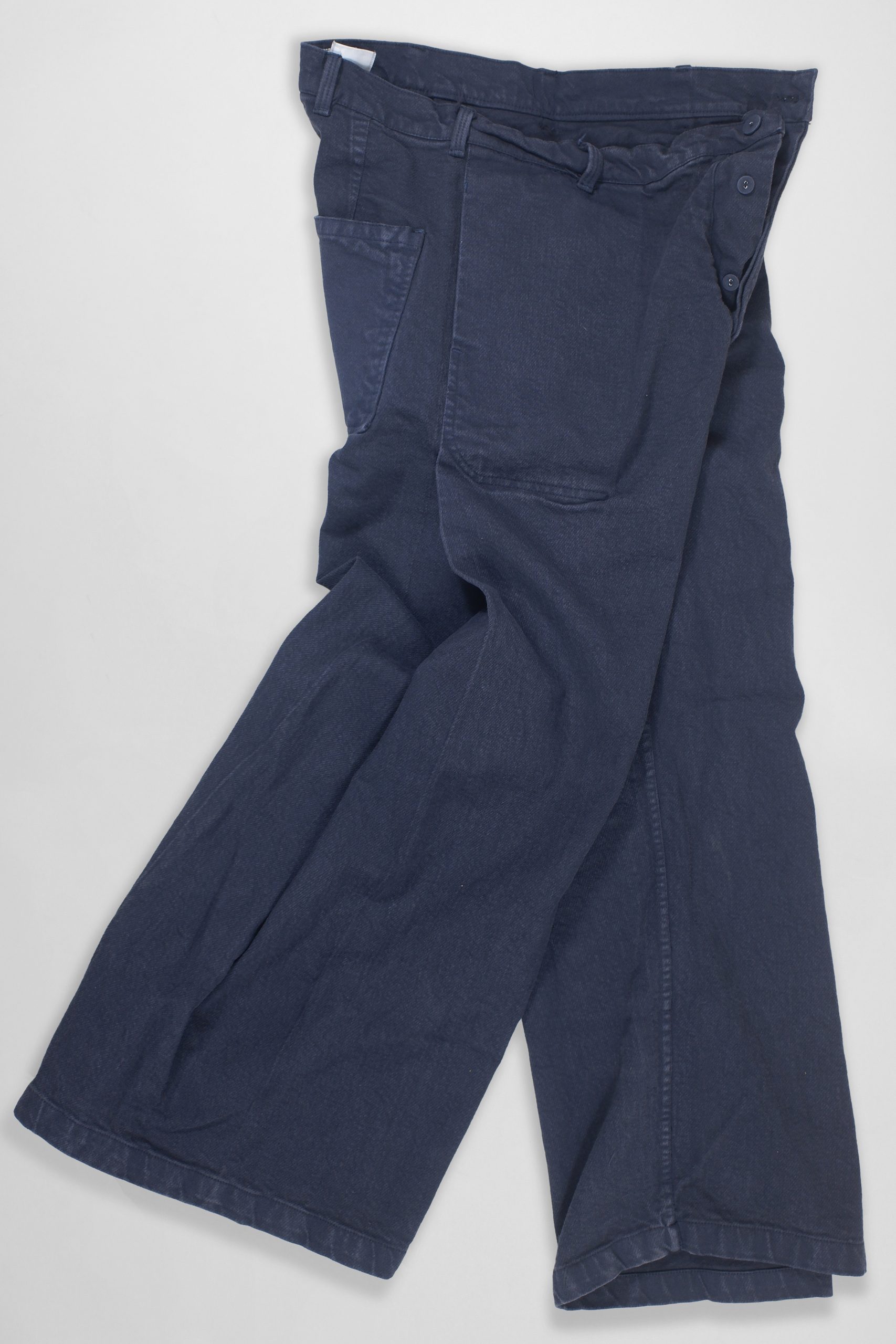
‘Unborn’ denim is a clear example of this. By sewing fabric which is straight off the loom, unfinished, jeans come out ready to be brought to life by washing and wearing, but the product itself isn’t really ready to wear- it’s oversized and very stiff and flat. As an owner, though, Unborn jeans become particularly special as you take the final step if their production yourself.
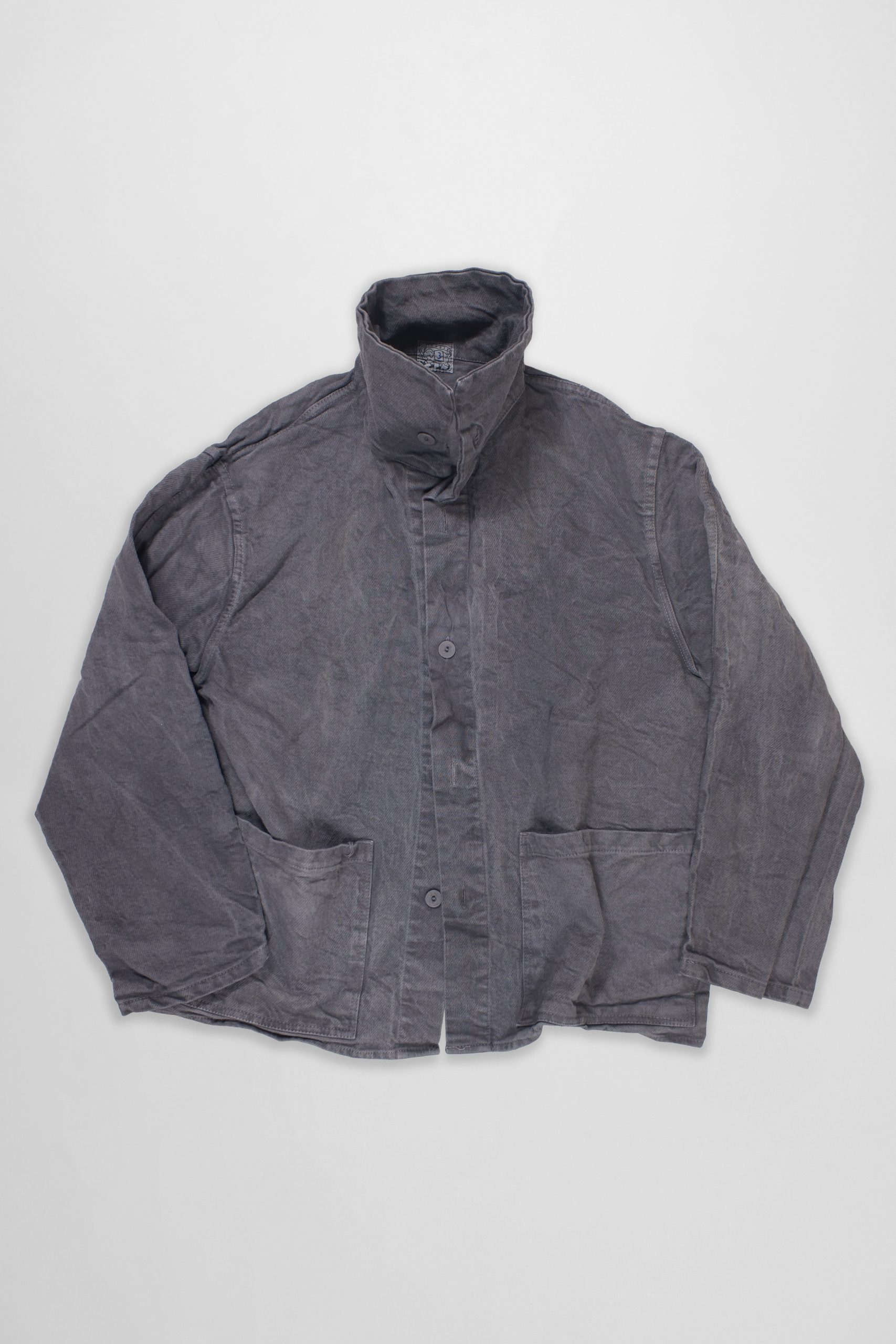
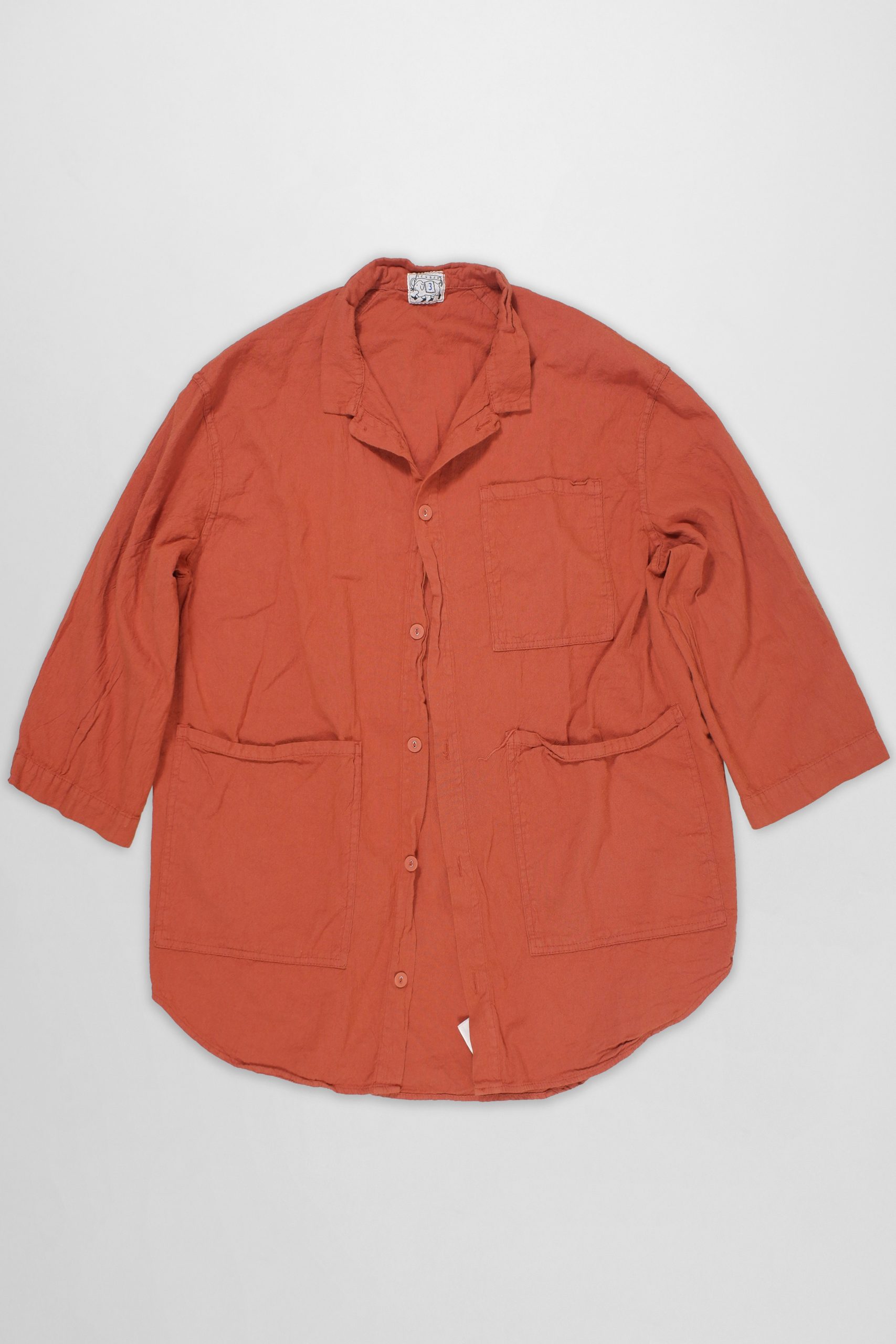
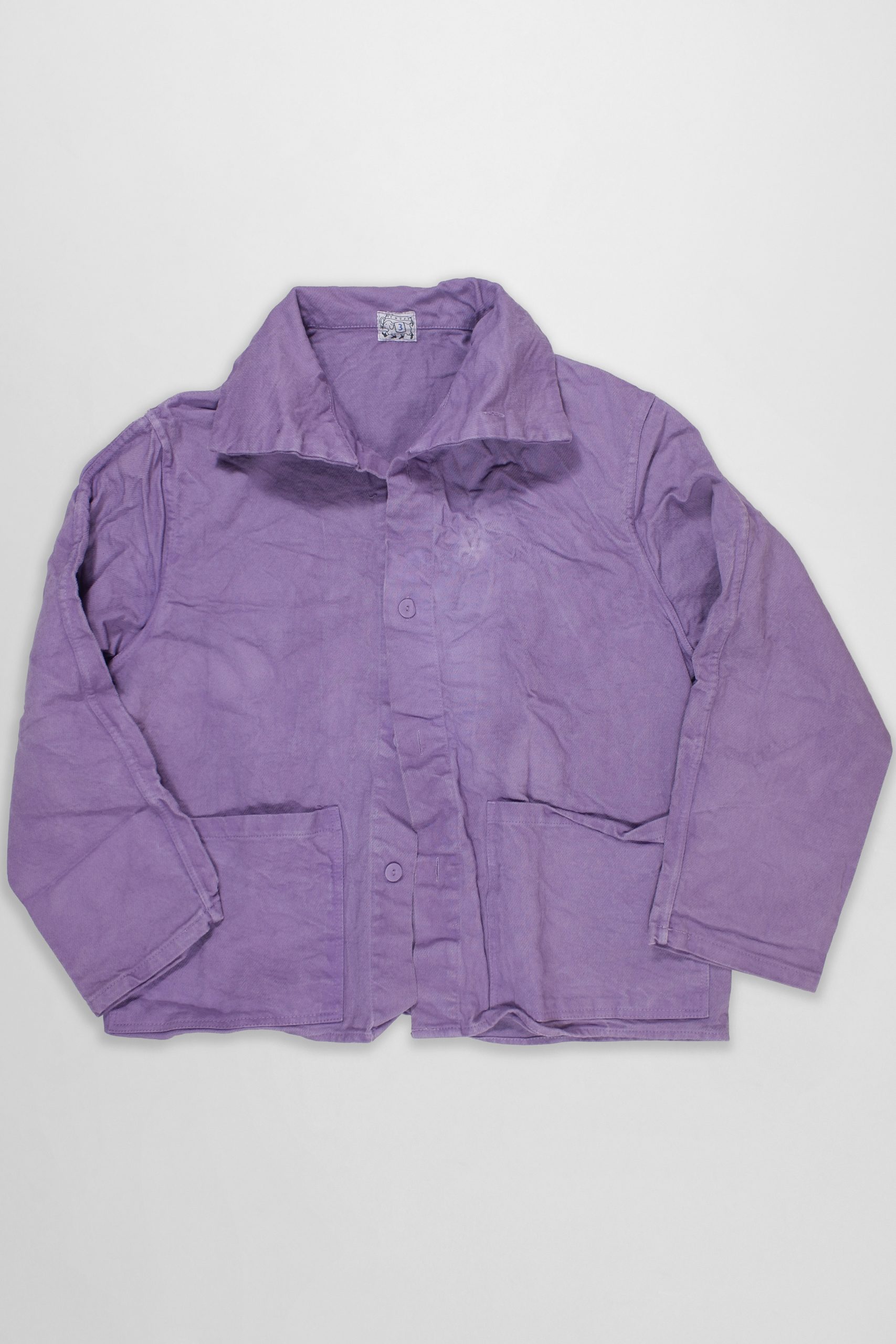
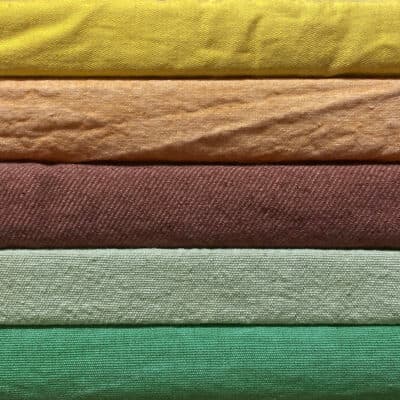
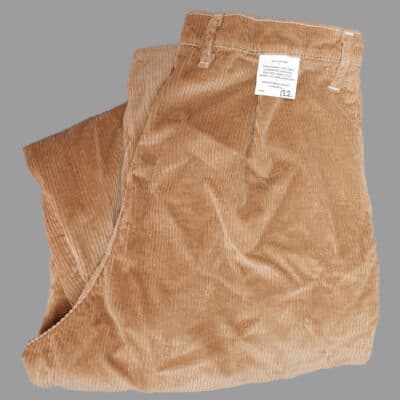
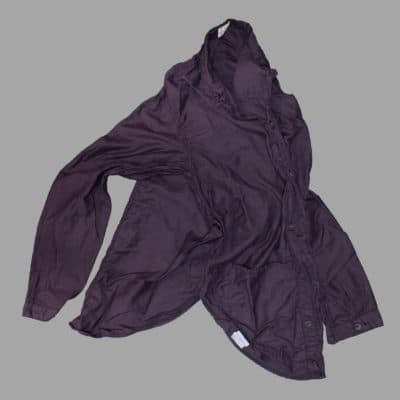
In the Spring/Summer 2026 collection, the first made in the US with American fabrics, I’ve chosen two cloths which have been taken out of their production early, meaning that the clothes are made from the cloths as they were never intended to be seen. I like to think of the point at which I take a fabric to be an evolutionary fork: rather than becoming a blackout curtain, this piece of fabric is going to become a logwood dyed jacket.
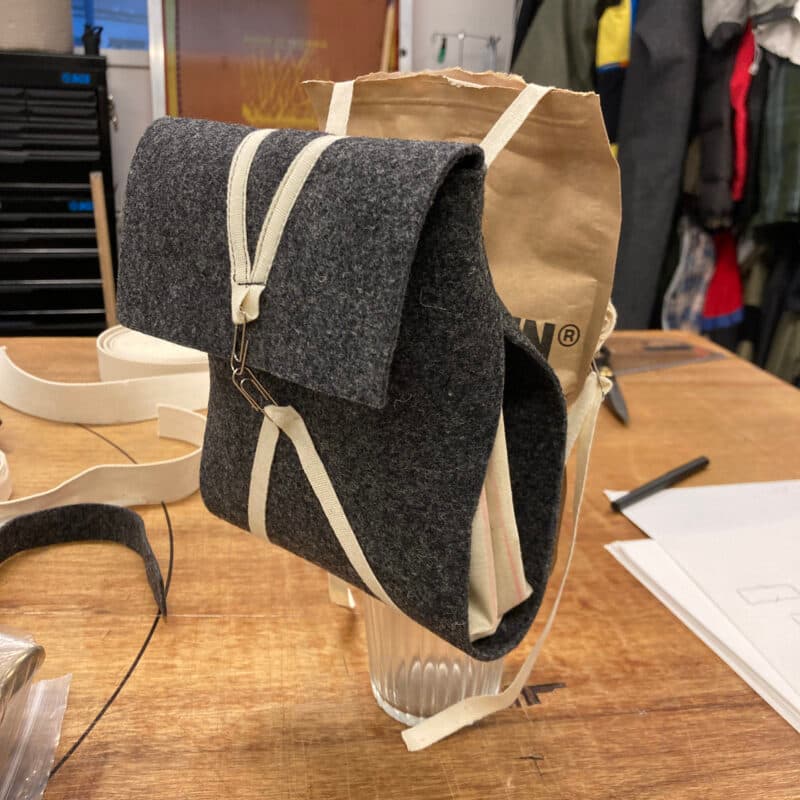
Cotton Blackout is a fairly heavy fabric, woven as a sateen. It should have been heavily shrunk and then coated to make blackout window blinds. By using the unfinished fabric, the full texture of the weaving, intended as the base for further work, really comes into its own. The Scout Jackets and Pleat Pocket Bags made out of it have a lovely drape to them, and a soft, loose texture on the surface, but the thickness of the weaving structure gives them a lovely body.
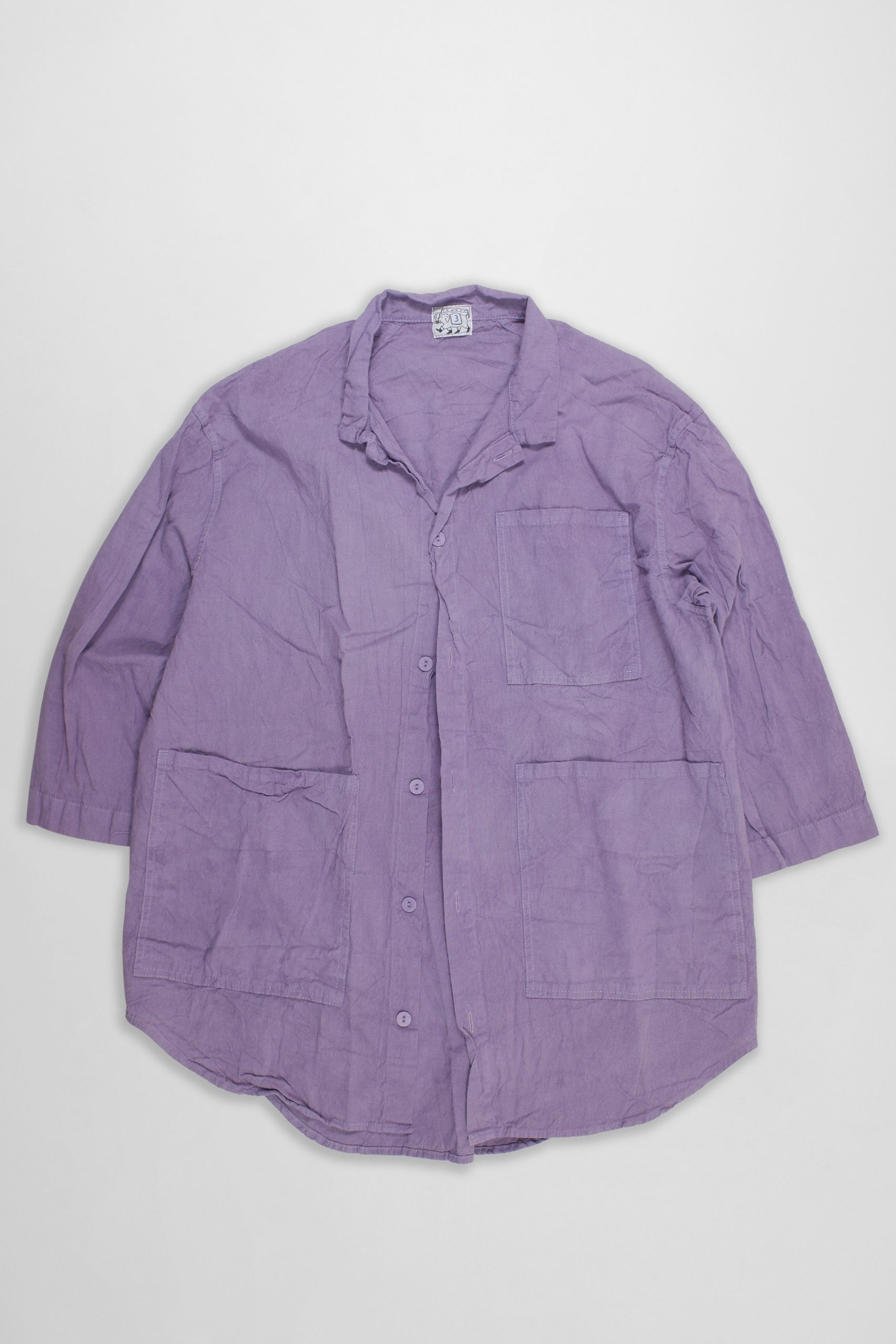
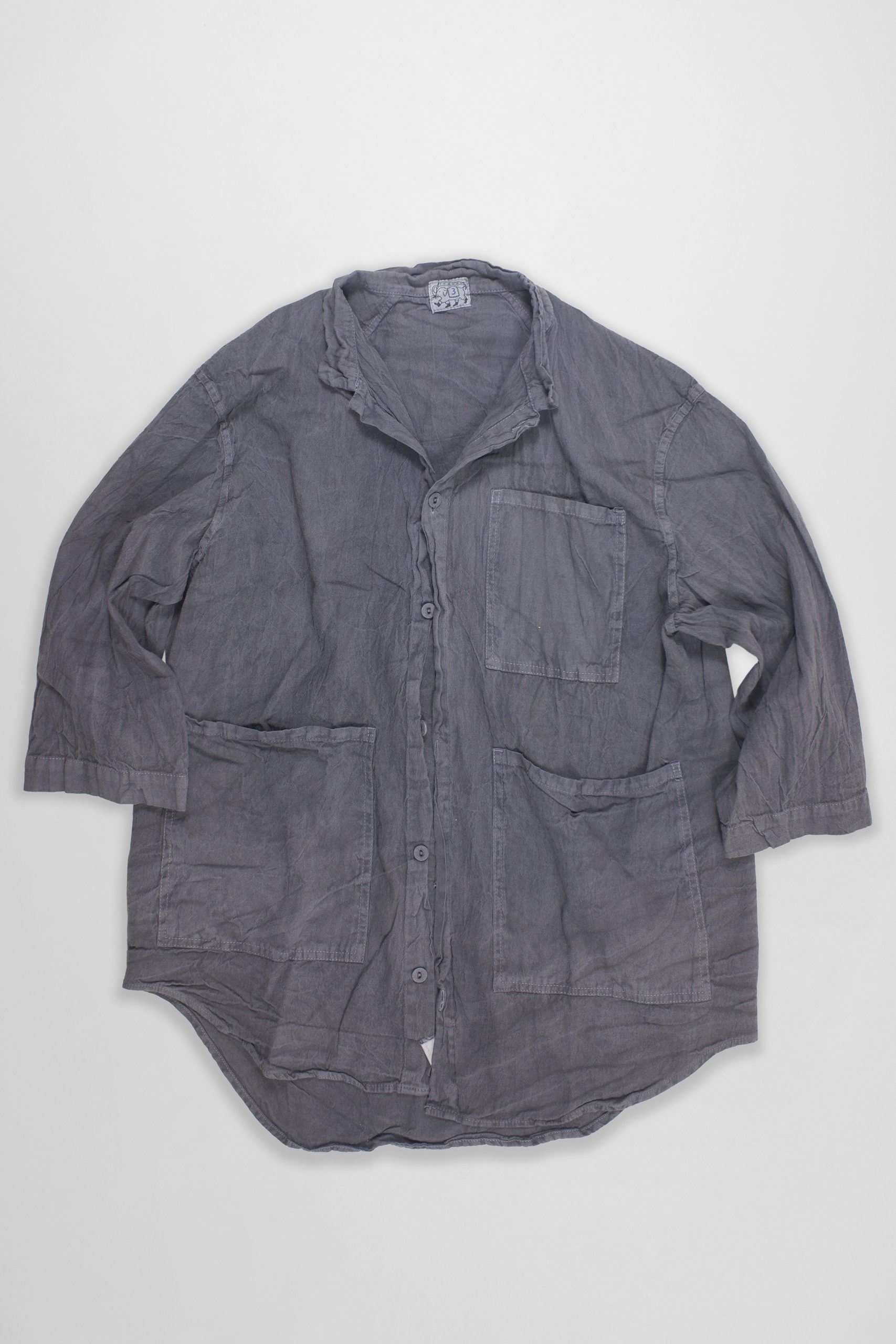
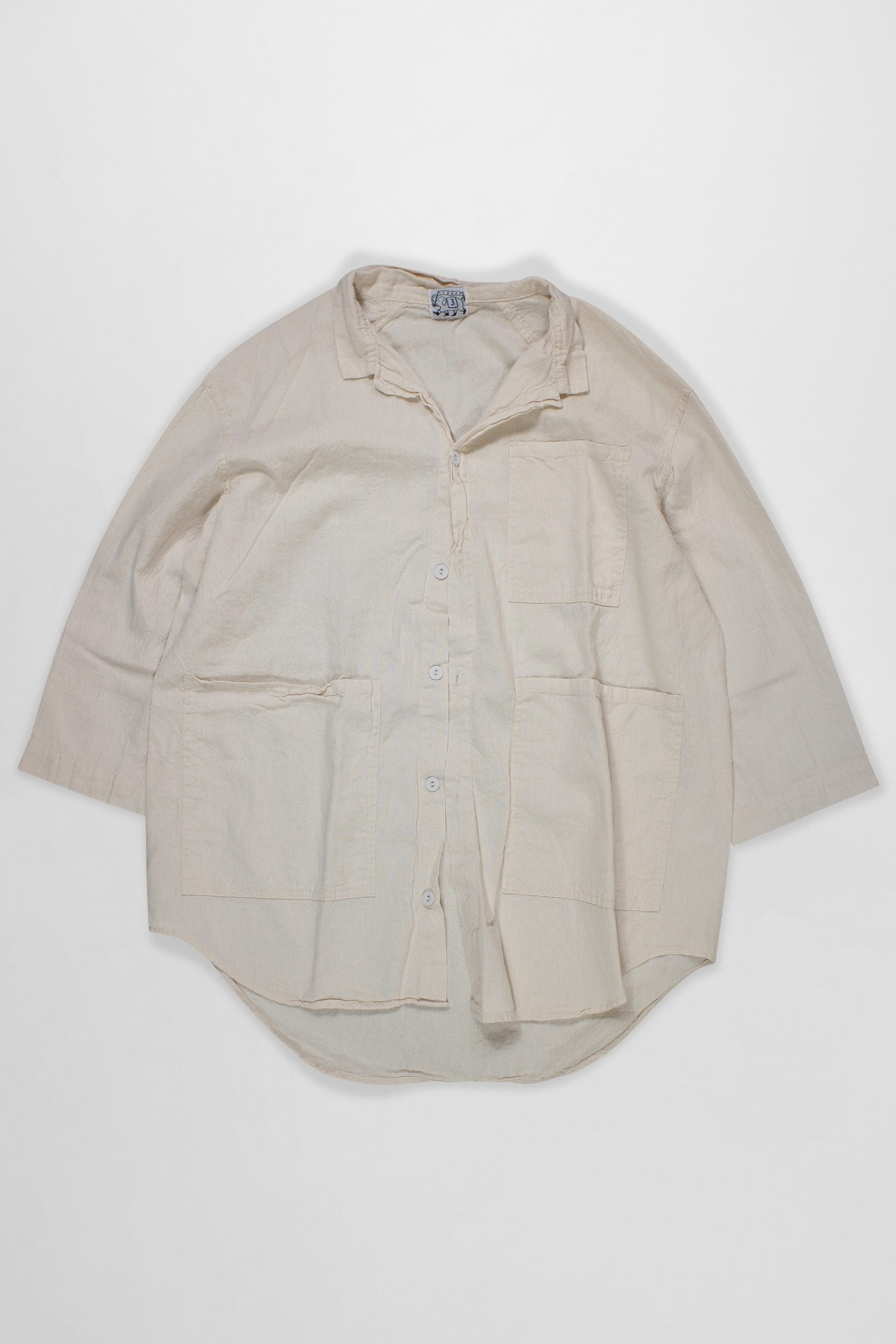
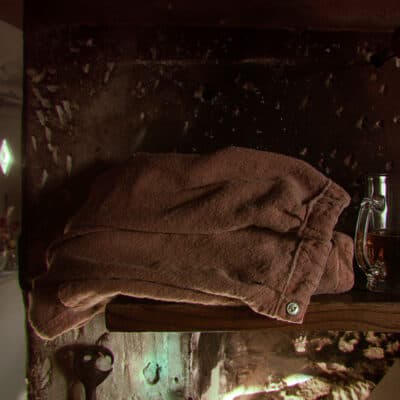
Cotton Pyjama is a lightweight, quite loosely woven, plain weave cotton cloth- it should have gone from weaving to flannel finishing, where both sides of the cloth would have been raised to make fabric for winter pajamas. Taken out early, the yarn shrinks and deforms very slightly in dyeing to create a lovely mottled texture. The Frock Shirts made out of it are lightweight (lovely in warm weather) but have a three dimensional substance to them that couldn’t have been designed with a pen and paper.

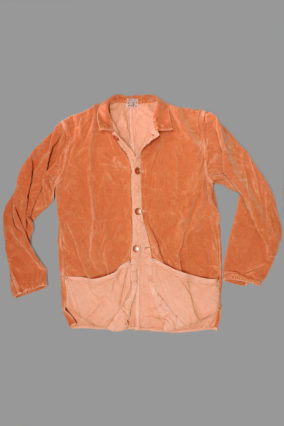
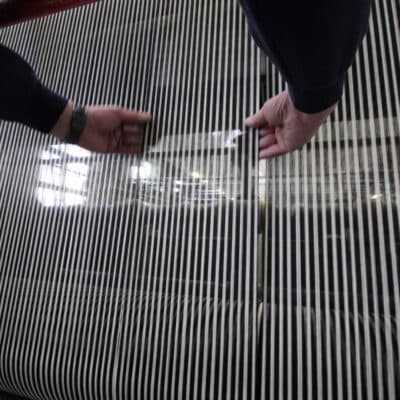
An unfinished fabric that got away was in 2021, when I was developing that year’s Autumn/Winter collection during covid lockdowns. I used raw cotton velvet for the type 961 Baste Pocket Jacket, from a mill that would normally do very heavy finishing processes to produce the silky, lustrous texture that people expect of velvet. What I discovered at the mill, though, was that velvet is in fact woven as a double cloth- with a flat front and back joined by yarn which is cut as the fabric comes through the loom, leaving a pile on each face. Tantalizingly I could see about a foot of this double fabric, which I can only imagine must have felt robust and flat on both sides with an amazing spongy texture from the invisible double-pile hidden inside. This foot-length of closed fabric ran directly into a splitter, though, which separates the two faces and runs them off onto two separate rolls of fabric. It was a fascinating process to watch, but having the double cloth would have involved taking out the splitters and retooling the entire machines, which wasn’t something the factory was willing to do in the depth of a pandemic for 50m of cloth… In the end, though, the raw cotton velvet made up beautifully, and the cut pile took on ochre dye in a way that I’ve not seen anything else do as well.

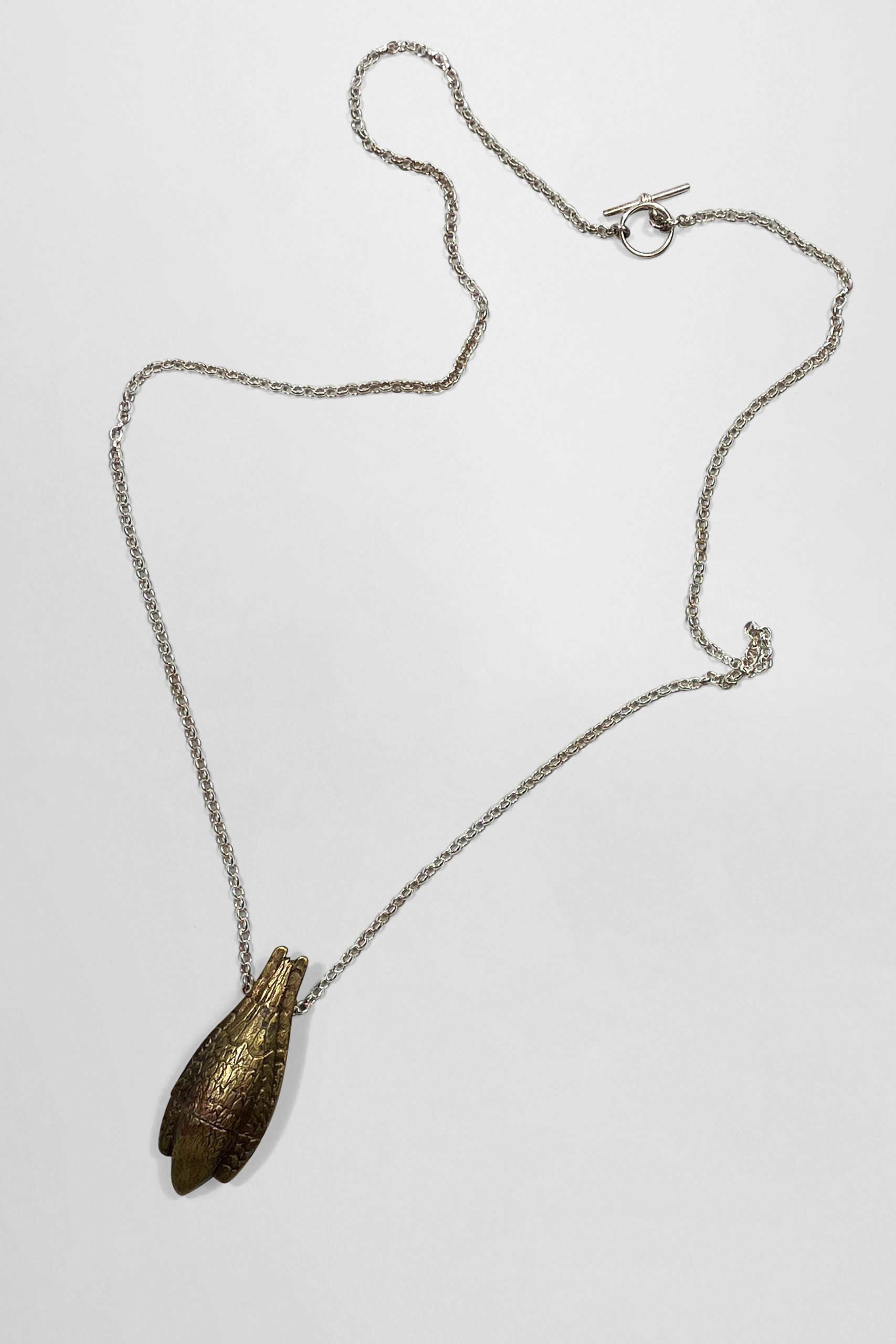
There are many more examples of this kind of choice within the Tender catalogue, but a particular mention goes to lost wax cast brass. It’s standard for brass castings to be lacquered, so that they don’t lose their shine, or artificially patinated (‘antiqued’) to make them look burnished and used. Each to their own, but all the brass I have cast for jeans buttons, and pocket sculptures (as I like to think of the keyrings and necklaces) is polished and then left unadorned. Like denim, with time the exposed ridges will polish to a bright shine while the protected crevices will oxidize and darken. A particularly nice extension of this is in the peregrine falcon whistle necklace. Not only is the detail in the feathers particularly fine, so creating more opportunities for natural patination, but the whistle is soldered together from two pieces after casting, and the flame marks are left on the brass. Finally, the variation in the brass contrasts beautifully with the (also unlacquered) sterling silver necklace chain.